
Reactions to DOJ Updates at PCF 2024

Empty conference room

It’s hard to believe that the PCF Congress was more than a week ago. But no sooner had we returned home and unpacked than we joined our clients in the annual sprint to get as much done before the holidays arrive and put the brakes on all our ambitions for 2024. So, before our Congress memories get swept away in the whirlwind, here are some things we took away from this year’s PCF.

The DOJ and AI. First and foremost, almost everyone was talking about the revised DOJ guidelines that came out in September. In the most recent version of its Evaluation of Corporate Compliance Programs (ECCP), the DOJ has made it clear that it expects companies to proactively manage the compliance risks of new technologies, especially AI. From what we heard at the conference, it doesn’t seem like many compliance professionals needed any prodding, as AI was discussed in multiple sessions, both as a source of new risks and as a tool that can increase the effectiveness of a compliance program. For example, one organization described how they have deployed an AI chatbot that employees can use to get answers to compliance-related questions.

Got Data? Along the same lines, AI can help compliance programs align with the revised ECCP’s emphasis on using data to identify and manage risks. “Is the company appropriately leveraging data analytics tools to create efficiencies in compliance operations and measure the effectiveness of components of compliance programs?” Here again, we heard from many compliance leaders who have already embraced data analytics as a way to mitigate such risks as HCP spending and third-party management. (Maybe because they jumped on board back when “big data” was the hot topic and AI was content to linger back in the IT department.)

A Culture of Compliance. The DOJ also expanded its guidance on whistleblower protections and the importance of anti-retaliation policies and practices. In the sessions we attended, this update was discussed in terms of creating a culture of compliance where employees feel safe to speak up. In one session on culture, there was also a discussion of the importance of speaking to your employees in their language, not the language of compliance. For example, when reminding sales employees that sign-in sheets are important for HCP meals, it might be good to mention they’re also a good way to capture new leads.

Tailored Training. One ECCP update that has not grabbed as many headlines is the DOJ’s insertion of this question in the section on Training and Communications, “Are the company’s training and communications tailored to the particular needs, interests, and values of relevant employees?” Once again, the compliance professionals we talked to at the Congress needed no convincing that targeted training is more effective than a one-size-fits-all approach. In this regard, the Congress had several engaging sessions that looked beyond commercial teams to discuss the unique compliance training needs of medical, clinical, and research personnel.

A Common Goal. Our last takeaway from PCF 2024 is that, although many of them work for competitors, there was a genuine sense of community among the attendees who encouraged and supported each other throughout the Congress. The life sciences compliance community is made up of an amazing group of diverse individuals who passionately share one goal: helping others do the right thing so patients can get the treatments they need.

And we at NXLevel Compliance are proud and excited to help them achieve this goal. We can’t wait for next year’s Congress.
PCF 2024 Preview

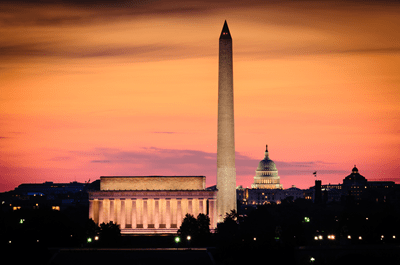
Washington DC skyline at night

In case you haven’t noticed, this year’s Pharmaceutical and Medical Device Ethics and Compliance Congress is right around the corner (October 28-30, in Washington, DC)! And for 25 years now, the congress has always presented the same challenge: so many great sessions and so little time.

The plenary sessions are easy since we’re all gathered together in the same room. Once again, we’ll be listening hard to updates from OIG and FDA representatives, and taking detailed notes during the other plenary discussions, too. We’re particularly looking forward to “The Implications of AI for Lifesciences Ethics and Compliance Programs” on Day 1.

But deciding which mini summits to attend during the rest of the congress is a bit trickier. While they all will provide valuable insights, we’ve narrowed down our list to a manageable, “Magnificent 7” that we will be sure not to miss (queue theme music).

Day 1

8:00-8:50 Mini Summit 1: Federal Criminal and Civil Enforcement: Recent Highlights and Emerging Issues –  A former US Attorney and former DOJ Deputy Assistant Attorney General will discuss recent DOJ actions impacting the pharma and med device industries, along with emerging issues.

9:00-9:50 Mini Summit 8: Update on Medical Device Regulatory and Enforcement Actions – A great follow-on from the previous session, this panel discussion takes aim squarely at the medical device industry and its evolving landscape of regulations and recent enforcement actions.

10:00-10:50 Mini Summit 13: Hot Topics and Compliance Oversight in the Research and Development Area – This session looks to shed more light on an area that may not always receive the compliance attention that it deserves.

11:00-11:50 Mini Summit 18: Compliance Training on the Digital Frontier – OK. Guilty. It’s a session moderated by NXLevel Compliance Sr. VP Dan O’Connor.  But it’s also a place to hear from your colleagues and how they’ve delivered effective compliance training to “digital natives” and “digital immigrants” alike, using approaches and tools that are readily available in your company.

Day 2

9:00-9:50 Mini Summit 35: Privacy Top-Ten: Strategies and Tactics to Address Operational Impacts of the Evolving Privacy Landscape – Yet another session looking to address a crucial compliance topic in motion (this time, privacy).

10:00-10:50 Mini Summit 44: Evolving Risks in Medical Affairs – As many companies ask more of their Medical Affairs teams, the risks that those teams are exposed to have grown. This session will discuss how you can stay ahead of those risks.

11:00-11:50 Mini Summit 51: Negotiating DOJ expectations and business challenges while creating a “Culture of Compliance” – The title says it all. In fact, it may be a good job description for a compliance officer.

That’s our Magnificent 7, but you couldn’t go wrong attending any session at this congress.

And if you go, feel free to visit our shiny new booth in the Exhibit Hall. We will have examples of our latest compliance training solutions to share and are eager to catch up with old friends and make new ones.

See you in DC!

Key Takeaways from PCC 2024

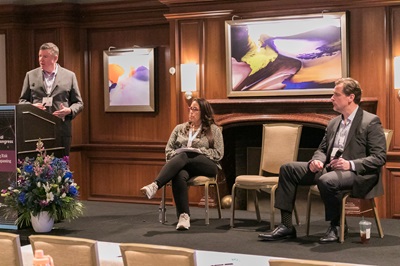
Dan O’Connor, NXLevel Compliance SVP, leading a panel discussion on “Compliance Training on the Digital Frontier”

The NXLevel Compliance team is back from this year’s Pharmaceutical Compliance Congress, where, as predicted, AI was a popular topic and discussions with industry experts reminded us why Compliance should continue having a seat at the table. Here are some reminders and key takeaways from PCC 2024!

AI has landed. While no two companies are embracing and implementing AI in the same way, there is no question that AI is transforming work as we know it and compliance teams are rushing to keep up. Just as we’ve seen with other game-changing technologies, companies are progressively opening the door to greater AI use, which means their policies and training must evolve at the same pace. With AI’s wide-ranging impact, it’s important not to rely on a single training event and instead employ multiple learning channels (such as eLearning, microlearning, videos, job aids, etc.) to instill and reinforce a culture of responsible and compliant AI use.

Compliance applies to everyone. Whether you are a large-scale global company marketing approved products or a smaller scale company with products pending approval, compliance should be at the forefront of your organization. And you need to ensure that your compliance training program meets the needs of your whole organization. While commercial field teams certainly engage in high-risk activities, don’t neglect other members of the organization who may not be as aware of the compliance risks they face.

Social media is still a trending topic. Like AI, the use of social media is constantly evolving. Is your policy up to date? Have you trained your employees on this policy? Your employees need to know the proper ways they may engage with your company’s social media content and the guidelines they must follow regarding their personal use of social media. What can they like, share, or comment on? As we commented on in an earlier post, social media training needs to be rich with examples and help employees understand how their social media behavior can add to their company’s compliance risk.

Keep your training on target. As you may know, the OIG’s General Compliance Program Guidance explicitly states that compliance officers should develop annual training plans that include the training topics to be delivered and the target audience for each topic. While certain training must be delivered company-wide, your training does not always have to be “one size fits all.” When possible, tailor your training to the individual receiving it. And remember, employees are looking for shorter, impactful, and relevant training.

Stay aligned with new and emerging enforcement trends and risk areas. Is your training keeping up with the current compliance landscape? Here are some topics we consistently heard about at PCC:

  • Off-label promotion: Pay attention to social media and other digital content that may not undergo a formal review and approval process.
  • Clinical trial transparency and oversight: Ensure your clinical trial communications contain substantiated claims and truthful, accurate data.
  • Kickback and inducements: Be aware of the implications regarding charitable copays and charitable activities involving patient access programs (PAPs).
  • Data privacy and cybersecurity: Keep patient health data and sensitive information protected.
  • Market access and patient support programs: Monitor your programs to ensure they are operating as intended.

2025 will be here before you know it. Those are just some insights we gathered from this years’ PCC, and we are already looking forward to next year’s event. If you missed us in the exhibit hall and are interested in learning how we can help you reduce your compliance risk, contact us at compliance@nxlevelsolutions.com.

Thanks for reading! See you at the next conference!

PCC 2024 Preview

We always look forward to the Pharmaceutical Compliance Congress, but never more so than this year with AI becoming such a transformative force in the life sciences industry and beyond. This year’s congress, occurring April 16-18, is being held at a pivotal moment for compliance professionals. And once again, there are hard choices to make, as there are more intriguing sessions than one person can possibly attend. To help you decide which ones to drop in on, here are five sessions that stood out to us when reviewing the agenda.

The NXLevel Compliance booth at PCC
The NXLevel Compliance PCC booth.

Day 1: Top Areas of Concern for the Compliance Professional – There are few details for this particular session available right now, but based on the title, the senior compliance professionals on the panel, and it’s prime slot position on Day One, we are eager to find our seats.

Day 1: Enforcement Panel – Critical, Industry-Specific Updates from the Most Active Office’s for the Bio/Pharma and MedTech Industry – This is a unique opportunity to hear about enforcement trends and new risk areas straight from DOJ officials. (And you may want to follow up with the afternoon session on New and Emerging Risk Areas for 2024 and Beyond.)

Day 2: Industry Pioneer Panel – A Look at the Rapid Adoption of AI Across the Life Sciences Sector – This session promises to provide insights on how compliance professionals can help their organizations responsibly adopt AI and mitigate the risks involved. (Once again, there is a complimentary afternoon session on Artificial Intelligence in Life Sciences Compliance.)

Day 3: Industry Case Study: Compliance Training Strategy and Implementation –This is a can’t-miss session for compliance training professionals. Three members of Regeneron’s compliance team will share their experience implementing and executing an effective training strategy. Expect plenty of practical insights.

Day 3: FDA Address –  The conference ends on a high note with a session with Catherine Gray, PharmD, Acting Director, Office of Prescription Drug Promotion, U.S. Food and Drug Administration (FDA). Hear the OPDP’s top priorities from the Director herself, as well as her thoughts on enforcement trends and warning letters.

Special Mention

Day 1: Compliance Training on the Digital Frontier—Okay, we’re biased. NXLevel Compliance Senior VP Dan O’Connor and his panel have put together a session that explores how you can use existing tools and emerging technologies to create a compliance training program that reduces risk while meeting the expectations of all of your employees, no matter where they are on the “digital fluency” spectrum.

These are just some of the exciting programs planned for PCC, and we look forward to seeing many of you there. If we don’t run into you at a session, please stop by and visit us at the NXLevel Compliance booth, where we will be sharing examples of the different kinds of compliance training solutions we can create to help you meet this unique moment in the life sciences industry.

See you in Virginia!