It’s hard to believe that the PCF Congress was more than a week ago. But no sooner had we returned home and unpacked than we joined our clients in the annual sprint to get as much done before the holidays arrive and put the brakes on all our ambitions for 2024. So, before our Congress memories get swept away in the whirlwind, here are some things we took away from this year’s PCF.
The DOJ and AI. First and foremost, almost everyone was talking about the revised DOJ guidelines that came out in September. In the most recent version of its Evaluation of Corporate Compliance Programs (ECCP), the DOJ has made it clear that it expects companies to proactively manage the compliance risks of new technologies, especially AI. From what we heard at the conference, it doesn’t seem like many compliance professionals needed any prodding, as AI was discussed in multiple sessions, both as a source of new risks and as a tool that can increase the effectiveness of a compliance program. For example, one organization described how they have deployed an AI chatbot that employees can use to get answers to compliance-related questions.
Got Data? Along the same lines, AI can help compliance programs align with the revised ECCP’s emphasis on using data to identify and manage risks. “Is the company appropriately leveraging data analytics tools to create efficiencies in compliance operations and measure the effectiveness of components of compliance programs?” Here again, we heard from many compliance leaders who have already embraced data analytics as a way to mitigate such risks as HCP spending and third-party management. (Maybe because they jumped on board back when “big data” was the hot topic and AI was content to linger back in the IT department.)
A Culture of Compliance. The DOJ also expanded its guidance on whistleblower protections and the importance of anti-retaliation policies and practices. In the sessions we attended, this update was discussed in terms of creating a culture of compliance where employees feel safe to speak up. In one session on culture, there was also a discussion of the importance of speaking to your employees in their language, not the language of compliance. For example, when reminding sales employees that sign-in sheets are important for HCP meals, it might be good to mention they’re also a good way to capture new leads.
Tailored Training. One ECCP update that has not grabbed as many headlines is the DOJ’s insertion of this question in the section on Training and Communications, “Are the company’s training and communications tailored to the particular needs, interests, and values of relevant employees?” Once again, the compliance professionals we talked to at the Congress needed no convincing that targeted training is more effective than a one-size-fits-all approach. In this regard, the Congress had several engaging sessions that looked beyond commercial teams to discuss the unique compliance training needs of medical, clinical, and research personnel.
A Common Goal. Our last takeaway from PCF 2024 is that, although many of them work for competitors, there was a genuine sense of community among the attendees who encouraged and supported each other throughout the Congress. The life sciences compliance community is made up of an amazing group of diverse individuals who passionately share one goal: helping others do the right thing so patients can get the treatments they need.
And we at NXLevel Compliance are proud and excited to help them achieve this goal. We can’t wait for next year’s Congress.
In case you haven’t noticed, this year’s Pharmaceutical and Medical Device Ethics and Compliance Congress is right around the corner (October 28-30, in Washington, DC)! And for 25 years now, the congress has always presented the same challenge: so many great sessions and so little time.
The plenary sessions are easy since we’re all gathered together in the same room. Once again, we’ll be listening hard to updates from OIG and FDA representatives, and taking detailed notes during the other plenary discussions, too. We’re particularly looking forward to “The Implications of AI for Lifesciences Ethics and Compliance Programs” on Day 1.
But deciding which mini summits to attend during the rest of the congress is a bit trickier. While they all will provide valuable insights, we’ve narrowed down our list to a manageable, “Magnificent 7” that we will be sure not to miss (queue theme music).
Day 1
8:00-8:50 Mini Summit 1: Federal Criminal and Civil Enforcement: Recent Highlights and Emerging Issues – A former US Attorney and former DOJ Deputy Assistant Attorney General will discuss recent DOJ actions impacting the pharma and med device industries, along with emerging issues.
9:00-9:50 Mini Summit 8: Update on Medical Device Regulatory and Enforcement Actions – A great follow-on from the previous session, this panel discussion takes aim squarely at the medical device industry and its evolving landscape of regulations and recent enforcement actions.
10:00-10:50 Mini Summit 13: Hot Topics and Compliance Oversight in the Research and Development Area – This session looks to shed more light on an area that may not always receive the compliance attention that it deserves.
11:00-11:50 Mini Summit 18: Compliance Training on the Digital Frontier – OK. Guilty. It’s a session moderated by NXLevel Compliance Sr. VP Dan O’Connor. But it’s also a place to hear from your colleagues and how they’ve delivered effective compliance training to “digital natives” and “digital immigrants” alike, using approaches and tools that are readily available in your company.
Day 2
9:00-9:50 Mini Summit 35: Privacy Top-Ten: Strategies and Tactics to Address Operational Impacts of the Evolving Privacy Landscape – Yet another session looking to address a crucial compliance topic in motion (this time, privacy).
10:00-10:50 Mini Summit 44: Evolving Risks in Medical Affairs – As many companies ask more of their Medical Affairs teams, the risks that those teams are exposed to have grown. This session will discuss how you can stay ahead of those risks.
11:00-11:50 Mini Summit 51: Negotiating DOJ expectations and business challenges while creating a “Culture of Compliance” – The title says it all. In fact, it may be a good job description for a compliance officer.
That’s our Magnificent 7, but you couldn’t go wrong attending any session at this congress.
And if you go, feel free to visit our shiny new booth in the Exhibit Hall. We will have examples of our latest compliance training solutions to share and are eager to catch up with old friends and make new ones.
It must be August. There’s a ton of back-to-school ads on TV and my mailbox is stuffed with fliers for new backpacks. And while most of your employees are too big to sit behind those tiny student desks anymore, it might not be a bad idea this fall to send them “back to school” too.
Like the OIG says in their latest guidelines, “Education should not be limited to annual formal training requirements. The compliance officer should seek and develop opportunities to provide education on compliance topics and risks throughout the year.”
This doesn’t mean you need to weigh your employees down with a heavy fall course load, especially since the workplace tends to speed up once everyone is back from vacation. Instead, you could deploy short eLearning modules that just focus on one or two particular risks.
You could also use brief videos, that take a lighter, but still serious approach to reinforcing important compliance principles. Even simple email communications can be designed to grab your employees’ attention and remind them about key points.
We all know the adult attention span isn’t what it used to be, and your training objectives are busy competing with the demands of an ever-evolving workplace. Sometimes shorter is better.
Studies have shown that shorter learning events spaced over time can be more effective than a single large learning event. There is also less strain on your resources to produce shorter training deliverables – less content to write, review, and develop into its final form.
And with that in mind, we’ll keep this post short too, and just remind you that NXLevel Compliance is here to help. Not only do we develop short custom modules and videos from scratch, we also have a suite of Compliance QuickTakes, microlearning eModules that reinforce compliant behavior and guidance for high-risk activities. To learn more, contact us at compliance@nxlevelsolutions.com.
Anyone who’s paid attention to DOJ or OIG guidance the last few years knows that both agencies are looking for more than just policies and procedures when evaluating the effectiveness of a company’s compliance program. Both want to see evidence of a culture of ethics and compliance — one that encourages and rewards employees for doing the right thing.
A foundational part of that culture is a company’s code of conduct. It is a declaration of a company’s values and expectations for all of its employees.
How well a company trains its employees on its code directly impacts how far those employees will go in embracing and acting on its values.
A company’s code of conduct training should be the jewel in the crown of its compliance training program, not just because of the size of its audience, but because of the importance of its objectives.
So, how do you create effective code training?
Make it engaging.
First and foremost, do not let your code training devolve into an exercise where you are reading the code to your employees. Require your employees to read the code on their own and use the code training to bring your code to life.
Keep the tone conversational and positive. Remember that people want to do the right thing and work for a company they can be proud of. Speak to the positive outcomes everyone wants to achieve – specifically how doing the right thing ultimately benefits patients.
Consider using leading questions, where an employee needs to first consider their own opinion about a topic before covering how that topic is addressed in your code. This helps prime their attention for the information that follows.
Make it contextual.
Help employees understand how the code is applicable to their jobs. Include exercises that ask them to apply its principles to real life situations. However, while these situations should be realistic, they should also be broad enough so that they are accessible to everyone. This is easier to achieve when you remember to emphasize the principles over the details.
Try to anticipate questions employees may have and address them head on. Provide concrete examples whenever possible, again avoiding details that only a narrow audience would appreciate.
Make it continuous.
Do not ask your employees to take the exact same code training year after year. For example, you can create a foundational training that covers your entire code and have all employees complete that training the first year. This training could be between 20-30 minutes in length.
Then, in subsequent years, you can have employees take shorter (5-10 min) refresher training modules that remind them of key principles. Or you can modify your foundational training each year to focus on different aspects of the code or include different situations and examples.
The important thing is to keep it fresh. Asking your employees to repeat the same code training every year sends the wrong message – that it is not a priority for them or your company.
You can also help keep the spirit of your code alive throughout the year by deploying short videos, micro modules, and intranet banners that reinforce key points, like speaking up, avoiding conflicts of interest, or protecting confidential information.
Consider how the code is published.
Finally, you may even want to consider how the code itself is published. Instead of an expensive, glossy booklet that gets thrown in a drawer or a bland, static PDF that requires a lot of scrolling, your code can be published as an interactive, visually appealing, engaging online experience (a microsite) that can even include exercises that turn the code itself into a learning tool.
There are many strategies you can adopt to help bring your code to life and nurture the culture of ethics and compliance that the DOJ and OIG are consistently pointing to. Whichever strategy you think may work for your company, NXLevel is here to help. To learn more, contact us at compliance@nxlevelsolutions.com.
Dan O’Connor, NXLevel Compliance SVP, leading a panel discussion on “Compliance Training on the Digital Frontier”
The NXLevel Compliance team is back from this year’s Pharmaceutical Compliance Congress, where, as predicted, AI was a popular topic and discussions with industry experts reminded us why Compliance should continue having a seat at the table. Here are some reminders and key takeaways from PCC 2024!
AI has landed. While no two companies are embracing and implementing AI in the same way, there is no question that AI is transforming work as we know it and compliance teams are rushing to keep up. Just as we’ve seen with other game-changing technologies, companies are progressively opening the door to greater AI use, which means their policies and training must evolve at the same pace. With AI’s wide-ranging impact, it’s important not to rely on a single training event and instead employ multiple learning channels (such as eLearning, microlearning, videos, job aids, etc.) to instill and reinforce a culture of responsible and compliant AI use.
Compliance applies to everyone. Whether you are a large-scale global company marketing approved products or a smaller scale company with products pending approval, compliance should be at the forefront of your organization. And you need to ensure that your compliance training program meets the needs of your whole organization. While commercial field teams certainly engage in high-risk activities, don’t neglect other members of the organization who may not be as aware of the compliance risks they face.
Social media is still a trending topic. Like AI, the use of social media is constantly evolving. Is your policy up to date? Have you trained your employees on this policy? Your employees need to know the proper ways they may engage with your company’s social media content and the guidelines they must follow regarding their personal use of social media. What can they like, share, or comment on? As we commented on in an earlier post, social media training needs to be rich with examples and help employees understand how their social media behavior can add to their company’s compliance risk.
Keep your training on target. As you may know, the OIG’s General Compliance Program Guidance explicitly states that compliance officers should develop annual training plans that include the training topics to be delivered and the target audience for each topic. While certain training must be delivered company-wide, your training does not always have to be “one size fits all.” When possible, tailor your training to the individual receiving it. And remember, employees are looking for shorter, impactful, and relevant training.
Stay aligned with new and emerging enforcement trends and risk areas. Is your training keeping up with the current compliance landscape? Here are some topics we consistently heard about at PCC:
Off-label promotion: Pay attention to social media and other digital content that may not undergo a formal review and approval process.
Clinical trial transparency and oversight: Ensure your clinical trial communications contain substantiated claims and truthful, accurate data.
Kickback and inducements: Be aware of the implications regarding charitable copays and charitable activities involving patient access programs (PAPs).
Data privacy and cybersecurity: Keep patient health data and sensitive information protected.
Market access and patient support programs: Monitor your programs to ensure they are operating as intended.
2025 will be here before you know it. Those are just some insights we gathered from this years’ PCC, and we are already looking forward to next year’s event. If you missed us in the exhibit hall and are interested in learning how we can help you reduce your compliance risk, contact us at compliance@nxlevelsolutions.com.
Thanks for reading! See you at the next conference!
We always look forward to the Pharmaceutical Compliance Congress, but never more so than this year with AI becoming such a transformative force in the life sciences industry and beyond. This year’s congress, occurring April 16-18, is being held at a pivotal moment for compliance professionals. And once again, there are hard choices to make, as there are more intriguing sessions than one person can possibly attend. To help you decide which ones to drop in on, here are five sessions that stood out to us when reviewing the agenda.
The NXLevel Compliance PCC booth.
Day 1: Top Areas of Concern for the Compliance Professional – There are few details for this particular session available right now, but based on the title, the senior compliance professionals on the panel, and it’s prime slot position on Day One, we are eager to find our seats.
Day 1: Enforcement Panel – Critical, Industry-Specific Updates from the Most Active Office’s for the Bio/Pharma and MedTech Industry – This is a unique opportunity to hear about enforcement trends and new risk areas straight from DOJ officials. (And you may want to follow up with the afternoon session on New and Emerging Risk Areas for 2024 and Beyond.)
Day 2: Industry Pioneer Panel – A Look at the Rapid Adoption of AI Across the Life Sciences Sector – This session promises to provide insights on how compliance professionals can help their organizations responsibly adopt AI and mitigate the risks involved. (Once again, there is a complimentary afternoon session on Artificial Intelligence in Life Sciences Compliance.)
Day 3: Industry Case Study: Compliance Training Strategy and Implementation –This is a can’t-miss session for compliance training professionals. Three members of Regeneron’s compliance team will share their experience implementing and executing an effective training strategy. Expect plenty of practical insights.
Day 3: FDA Address – The conference ends on a high note with a session with Catherine Gray, PharmD, Acting Director, Office of Prescription Drug Promotion, U.S. Food and Drug Administration (FDA). Hear the OPDP’s top priorities from the Director herself, as well as her thoughts on enforcement trends and warning letters.
Special Mention
Day 1: Compliance Training on the Digital Frontier—Okay, we’re biased. NXLevel Compliance Senior VP Dan O’Connor and his panel have put together a session that explores how you can use existing tools and emerging technologies to create a compliance training program that reduces risk while meeting the expectations of all of your employees, no matter where they are on the “digital fluency” spectrum.
These are just some of the exciting programs planned for PCC, and we look forward to seeing many of you there. If we don’t run into you at a session, please stop by and visit us at the NXLevel Compliance booth, where we will be sharing examples of the different kinds of compliance training solutions we can create to help you meet this unique moment in the life sciences industry.
If we pulled together the compliance training budgets of all the biopharma and med device companies in the world, we might have enough money to pay for producing the first 90 seconds of Oppenheimer, winner of this year’s Best Picture Oscar.
But it may not be as expensive as you think to create a live-action video with an effective and compelling narrative that brings real-world compliance risks to life. With the right planning, you may be able to afford a professional-quality video that makes a significant impact on your learners.
To be clear, we are not talking about a low-budget, DIY solution, like shooting a video on a smartphone. That type of approach can be perfect for a short how-to video, an employee interview, or a simple communication. But to capture a story that has emotional impact and conveys the depth and complexity of a situation often requires a bit more skill and technology.
So how can you create a powerful, story-driven video without breaking the bank? Here are some tips.
Keep it short. Time is money so longer videos cost more than shorter ones. Consider that most scenes in a Hollywood movie only last between 2-3 minutes. That means a 15-minute video can easily contain 5 scenes – more than enough to develop one or two rich story lines or several simpler ones.
Don’t use too many locations. It takes time for a production crew to set up and break down at each location. Cameras, lights, microphones, teleprompters, and other equipment all need to be set up properly for a shoot to go smoothly and produce quality footage. Plus, there’s travel time between locations. Once again, time equals money. The script writer should consider how you can get multiple uses out of just one or two locations.
Consider using a blend of actors and employees. Professional actors will give a convincing performance that will make your story more authentic, but they cost money (though less than you might think). You can save some of that money by reserving the larger roles for professional actors but using your colleagues for supporting parts (think one or two lines). It’s fun to see coworkers in a video, but just be realistic about what you are asking from employee talent.
Have a strong project manager. There are a lot of moving parts and people to keep track of – script reviews, production staff, actors, locations, props, food planning, weather… you get the idea. A good project manager will not only stay on top of things, they’ll be able to find efficiencies that reduce costs.
Be flexible. Things happen. An actor gets sick. A VP stops by and has a brainstorm. An outdoor scene is washed out by rain. Learn to adapt and work with what you have, within reason of course. Here a strong PM can keep the train on the track.
Get the most bang for your buck. Even with the above strategies, a professional video costs money. So, make sure you get the most out of your investment. Reserve professional videos for use with large audiences and high risk topics. Also consider how you can reuse your video. For example, you might show the full video at a large meeting, then reuse small portions of it within a microlearning module or embedded within a communication. You can also use stills from the video. Done well, your video can become a unique component of your training curriculum that helps set the tone for your company’s culture of compliance.
Have fun. While not a low-cost item, it’s worth remembering that creating a high-quality training video can be a fun, creative, and energizing experience for all the team members involved.
These are some basic suggestions, but obviously every project is unique. With over 30 years of experience creating training videos, NXLevel can help you realize your vision without breaking your budget. And instead of helping you raise an Oscar, we can help you lower your compliance risk.
With the new year now having gained full momentum, many compliance teams are looking ahead to one or more large-scale meetings later this year where they have been granted a precious agenda slot to conduct some form of compliance training. Maybe it’s an hour at a national sales meeting or 30 minutes wedged into a POA. Whatever it is, it’s an opportunity not to be wasted.
If this is the challenge your team is facing, you probably realize that simply presenting compliance guidance using a slide deck is not the answer. Instead, you might be thinking about using a game or some other activity to create a meaningful learning experience that will engage the meeting attendees and help them connect compliance with the situations they encounter on their jobs.
If so, here are some questions to consider when deciding what type of activity to use and how to plan for its success.
What do you want the attendees to take away from your session? Remember, they are likely processing a lot of other information during the meeting, and your time is limited. Trying to cover too much will dilute the impact of whatever activity you choose. For example, focusing on speaker programs, conference attendance, and joint interactions all in one session is likely too much. Always highlight where people can go for more information or if they have questions.
Who are the attendees? Several questions are rolled into this one. How many people will be in attendance? What are their roles and experience relative to the content you want to cover? Are there logical team structures you can leverage during the session? The answers will help you determine how to achieve a high level of engagement for everyone and the amount of technical and facilitation support you may need.
How can you integrate your activity with the rest of the meeting? You don’t want your activity to feel like it’s disconnected from the rest of the meeting (any more than you want employees to feel like compliance is disconnected from their work). Consider how your content, tone, and visuals can be aligned with the larger meeting in which you are taking part.
How much time do you have for your session? More complex activities can take more time. You need to account for setup, instruction, the activity itself, and any feedback or additional insight you want to provide. We recommend a dry run before the meeting to help you recognize just how much you can realistically accomplish in the time you have.
What is the meeting format? Will attendees be in-person, virtual, or a blend of both? For in-person attendees, what will the room layout be? What tool will virtual attendees be using to connect? Many activities can work for either in-person or virtual attendees with the proper design. But that’s not something you want to figure out on the day of the meeting.
What are your technology needs? Understand the technical needs of any activity you are considering and the resources you will have available. For example,if you want to conduct an in-person activity that relies on each person using a Wi-Fi connected device, what’s the capacity of the room’s Wi-Fi? What devices will people have with them? Are there any URLs, settings, etc. that need to be cleared with IT prior to the activity? Is each facilitator comfortable with the technology? Having technical support on standby can reduce any down time, and if a production company is involved, they can potentially help handle some tech needs. Again, a dry run ahead of time can uncover potential issues.
How will you evaluate the results? Conducting a training session at a large meeting presents an opportunity to gain valuable information about the learning needs of your audience and the impact of your training efforts. While games typically provide a score, more sophisticated tools can provide you with analytics that allow you to drill down to individual question and learner results. You may also consider conducting pre- and/or post-activity surveys/assessments and looking for evidence of behavior change (eg, examining changes in help desk calls, reported violations, etc.).
How much time and what resources do you have for development? Having less of either does not necessarily mean you have to settle for less impact. Off-the-shelf solutions can take less time and fewer resources to implement, but still create a high level of engagement. Likewise, when more time and/or resources are available, you can consider custom solutions that speak more uniquely to the specific challenges your employees face.
This is by no means an exhaustive list, but hopefully this has given you food for thought. You can also reach out to us at NXLevel Compliance to leverage our 20 years of experience helping biopharmaceutical and medical device compliance teams make the most of their moments at the next big meeting.
“What are other people doing?” It’s a question we’ve been asked by almost every client. They know that we work with dozens of life sciences companies each year, many of which have the same compliance risks and face similar training challenges.
And while no two clients, or the solutions we create for them, are exactly alike, we noticed eight common trends this year. So, here’s what “other people” were doing in 2023.
Delivering shorter and sharper training. Across the board, clients turned towards shorter, leaner training solutions. Whether that meant trimming down longer modules or creating a series of shorter modules, clients embraced solutions that minimized learner fatigue and established more realistic learning goals. An important principle to remember is to suit the length of the training to the content. For example, if the complexity of a topic truly requires a 20-minute module, then don’t break the module into two parts just to have shorter modules. Your learners might find this more annoying than simply having a single, longer module to complete. A more meaningful way clients reduced training length was by …
Targeting training by role. Coupled with the goal of shorter training, we were able to create better compliance training solutions for clients because those solutions were targeted to specific roles and/or risk areas. In some cases, this meant designing a series of micro-modules that focused on specific types of interactions with healthcare professionals. For other clients, we included role selectors inside modules, so learners received instruction tailored to their job. This went a long way to …
Making it more engaging. Life sciences employees must navigate a deluge of information and many of them spend a significant amount of time working outside of the office, where distractions increase. Getting and keeping their attention is an ongoing challenge. In 2023, our clients continued to embrace new visual and instructional designs approaches, while employing games, interactive activities, and video to grab learners’ attention and help them make meaningful connections between their jobs and critical compliance principles. And once learners were engaged in the process of learning, our clients focused on …
Keeping it going. All our clients (and the OIG) recognized the need to sustain learning. That’s why they increasingly followed a foundational training experience with reinforcement and refresher activities over the course of the year, including microlearning modules, videos, intranet banners, and emails. They also spaced out training on new topics, which built a regular rhythm of learning and increased retention. A key to sustaining learning momentum is recognizing that sometimes the best solution is …
Not creating training. Formal training is not always the answer. Sometimes what’s needed is a job aid, a refresher video, or even a simple email reminder. We helped clients use these solutions to augment or replace formal training activities. Ultimately, this helped support the next trend we saw, which was …
Looking at the big picture. Our clients increasingly looked at training from a curriculum perspective, mapping out yearly training plans to address their key risk areas. We were rarely asked to design a learning solution in a vacuum. More often, we were asked to design a full curriculum instead of just one course. Along with enabling the trends mentioned above, this allowed us to step back and consider where each organization was on its journey and chart a compliance training path that supported their employees going forward. Of course, no compliance team can properly grasp the bigger picture without …
Partnering with the business. We were impressed by how many compliance teams collaborated with their business colleagues as true partners. Many training projects had a larger goal of empowering business areas to take more ownership over reducing their compliance risk, instead of just relying on Compliance for all the answers and initiative. Working more closely with the business also reinforced the importance of …
Remembering patients. Clients continually reminded their learners that compliance is ultimately about helping patients, that healthcare laws and regulations exist to help ensure medical decisions are made in the best interest of the patient. To motivate employees to be compliant, training needs to be focused more on patient care than penalties.
These are just some of the trends that stood out in 2023 and have us looking forward to more creative, impactful, and exciting trends in the year to come.
In our last post, we covered the training highlights found in the OIG’s new General Compliance Program Guidance and noted the agency’s suggestion that “education should not be limited to annual formal training requirements.” In this post, we dive into detail about the different solutions you can use to build a curriculum that addresses the OIG’s guidance and effectively battles the “forgetting problem” inherent with a one-and-done approach to compliance training.
Reinforcement Staples
Micro-Modules Deploying microlearning modules to reinforce on topics previously covered in foundational training is a great start toward an optimized curriculum. For example, if MSL and commercial interactions are a particular cause for confusion, a short module with fresh content, or even content repurposed from foundational training, keeps critical points fresh in the learner’s mind and helps reduce the risk those interactions present.
Reinforcement Videos A range of modern software programs allow for the rapid and efficient development of high-quality, animated videos ideal for reinforcing key concepts across your organization. For example, a 90-second reminder on good communication practices can be delivered through a link in an email, or it can be playing on monitors in public spaces located across your company. We’re creating a library of videos for a number of our clients, which they can deploy strategically and provide as references on their intranet.
Creative Workshops Whether delivered in-person or virtually, a creatively designed workshop brings compliance guidelines to life and lets your learners practice applying their knowledge in a “safe” environment. Two of our favorites are our Compliance Reality Challenge and Compliance Escape Room workshops, where individuals and teams explore real-life scenarios and compete against one another using online, interactive tools.
Compliance Games If you want your learners to remember their training, play a game. When deployed in a live/virtual setting, or through an online system, well-designed games are yet another tool to help reinforce critical compliance guardrails. Keep the gameplay fun and, if possible, keep it familiar. Our Compliance JEOPARDY! game, for example, is the only officially licensed JEOPARDY game on the market and features immediately recognizable graphics and music to pull participants into the learning.
Think Outside the Box
Enhanced learning can be supported by a wide range of creative solutions – not just the more common ones mentioned above. And making training stick isn’t always about creating more training. The right communication tools can reinforce key concepts and messages.
Comic Strips A number of our clients have used comic panels as a fun way to carry messages across different formats and support their unique company and compliance culture. If, for example, you create characters as part of a theme for your code of conduct training, why not recreate illustrated versions of those same characters in print? The comic panels can be displayed on posters or digitally on company platforms, and you can even create graphic novels that can be distributed to employees.
Digital Banners Banners posted across electronic platforms such as your intranet can help reinforce training messages and remind learners of key events. Have you stressed a “speak up” culture in your core compliance training? Add digital banners across different platforms to boost that message using the same visual design employed in the training. Do you celebrate Compliance & Ethics Week with live events? A digital banner can remind attendees of the dates.
Compliance Avatars and GIFs A common refrain heard at compliance congresses is the need to boost the perception of compliance as a business partner. Creating avatar versions of key compliance personnel is a fun way to “put a face” on compliance and make compliance seem less intimidating. You can even develop GIFs with messaging using these avatars and push them out through internal messaging platforms like Slack.
Keep it Continuous and Keep it Fluid
A truly effective continuous compliance training curriculum is a journey, not a destination. Successful companies are always looking for ways to enhance their curricula with solutions that creatively extend learning beyond a yearly event, and we have only touched on a few ideas. Keep an eye on our LinkedIn showcase page for examples of the tools we help our clients utilize to reduce their compliance risk.
Like many of you, we’ve been reading the new General Compliance Program Guidance the OIG released this week. And of course, we jumped right to the section on training! Before we discuss the OIG’s new training guidance, we should note that this guidance applies to the healthcare industry as a whole, not pharmaceutical manufacturers specifically. However, the OIG has announced its intent to continue to publish separate guidelines for specific industry sectors and we can expect to see new and revised versions of those guidelines in the future.
With that caveat in mind, how does the training guidance in the OIG’s new General Compliance Program Guidance compare to what’s stated in the OIG’s existing Compliance Program Guidance for Pharmaceutical Manufacturers? Essentially, the message is the same, but there are new points of emphasis.
One of the most striking statements in the new guidance is, “Education should not be limited to annual formal training requirements. The compliance officer should seek and develop opportunities to provide education on compliance topics and risks throughout the year.”
This follows a trend many companies have already embraced. More companies are supplementing their formal compliance training events with micro-modules, short videos, brief communications, games, quick reference guides, and other less formal solutions that are deployed over the course of the year. The result is a learning ecosystem designed to reinforce and reenergize key compliance behaviors and messages. The OIG guidance calls out examples such as those mentioned above.
Other new points in the guidance jump out as well. The document:
Explicitly states that compliance officers should develop annual training plans that include the training topics to be delivered and the target audience for each topic
Provides a list of suggested topics to cover when training employees on your company’s compliance program
Emphasizes the need to provide targeted compliance training to board members
Stresses that compliance training should be made accessible to all learners (for example, by making it available in different languages)
Provides guidance on allowing training waivers for contractors
Obviously, there’s more than just training guidance to be found in the OIG’s new document, and we’ll be combing over it looking for more nuggets to share here and on the NXLevel Compliance LinkedIn page. In the meantime, feel free to reach out to info@nxlevelsolutions.com to learn how we can help you reduce risk and be a compliance hero!
Don’t forget to visit the crazy NXLevel Compliance team at their booth to talk training and see demos!
This year’s conference is October 25-27 and NXLevel Compliance will be there, as usual. We’re excited to see our clients and colleagues and discuss how we can help reduce risk through better compliance training.
Also, Dan O’Connor, our senior VP, will be moderating a panel of CCOs on the topic of developing compliance leaders at 8:00 AM on Thursday the 26th. Grab your coffee and breakfast and join them for ideas and practical approaches you can use to help develop your team and yourself.
Here are ten other sessions we find to be compelling, especially from a training perspective:
Mini Summit 1: Compliance Primer and How to Make the Most of Your Time at the PCF Congress Although this session is tilted those new to life sciences compliance, expect it to be valuable for everyone as Terra Buckley shares tips for maximizing your learning and networking time at the conference.
Mini Summit 3: Insights from Medical Device Corporate Integrity Agreements Corporate integrity agreements are sure to hold keys for the expectations of regulatory bodies such as the OIG and point to the appropriate focus for any medical device compliance training curriculum.
Mini Summit 5: The Latest in Social Media Enforcements If you’re concerned about what your company’s employees might be posting or sharing (and you should be), you don’t miss this one. Side note: stop by our booth to see a demo of our new Social Media Matters Compliance Foundations module.
11:50 am Networking Luncheon In Exhibit Hall And Luncheon Mini Summits You don’t want to miss the opportunity to network with the vendors, especially at Booth 212, where we’ll be sharing demos of our newest compliance training solutions, including our Compliance QuickTakes. Then head into Luncheon Mini Summit 23: Is the “No Patient Left Behind” Approach to Patient Support Programs Viable? to hear the tips for safeguarding against the risks inherent with patient programs.
Keynote: OIG Update This year, Mary E. Riordan, Senior Counsel for the OIG, is joined by Robert K. DeConti, Chief Counsel to the Inspector General, so the annual look back at recent settlements and preview of the agency’s 2024 workplan should be even more enlightening.
US DOJ Keynote Lisa Miller, Deputy Assistant Attorney General for the Criminal Division of the Department of Justice, is up next and just like the OIG presentation, this is a can’t miss session for anyone interested in knowing where the DOJ’s attention is focused, especially considering the updates to the agency’s Evaluation of Corporate Compliance Programs guidance in March of this year.
Prosecutor’s Roundtable The prosecutor’s roundtable never disappoints in terms of the tips and suggestions panelists share regarding the government’s focus and what the industry should expect on the enforcement front.
Mini Summit 31: Annual FCPA Update All is quiet on the FCPA front…or is it? Mark this one in your calendar to hear the latest in enforcement and trends, then plan to modify your 2024 global anti-corruption training accordingly. (We have a training module for that!)
Mini Summit 51: Compliance Experts Address Concerns on Emerging Risk Areas We’re fast approaching the end of 2023 and the start of a new year of compliance training. New risks are emerging. This session should be a great starting point for your review process as panelists discuss the new topics you’ll want to emphasize in your curriculum.
Mini Summit 52: Compliance Considerations for Rare Disease Sessions targeted to this growing segment of the industry can offer valuable content related to the training needs of that segment. Expect Tiffany Damiani from Insmed and Michael Hercz of Sentynl to do just that for the rare disease group.
Conference Registration Discount We’ve only scratched the surface of the fifty-three mini summits and multiple plenary sessions in the agenda. The Pharmaceutical and Medical Device Ethics and Compliance Congress remains one of the few opportunities for you to network with leaders in the field as they share their experiences and best practices building and maintaining an effective compliance program. No matter your industry or your company’s product focus, you’ll want to be there. If you haven’t already registered, contact us at info@nxlevelsolutions.com for our sponsor discount.
Thanks for reading, we hope to see you in Maryland!
Social media compliance training can be tricky. On the one hand, you want your employees to follow your company’s official social media channels and share their enthusiasm for your company online.
On the other hand, you don’t want employees accidentally sharing confidential company information, unintentionally engaging in inappropriate product promotion, or otherwise presenting themselves as official company spokespersons when posting on their personal social media accounts.
If your training comes across too heavy-handed, your employees might be too scared to ever like a company post. But if your training is too vague, you could leave them confused, or worse, they could feel like they can post or comment on just about anything.
So how do you hit the sweet spot? Here are a few tips.
1) Know your audience. If your social media training is being assigned to all your employees, don’t weigh it down with rules that only apply to the people who can post to your company’s official social media channels. Handle their training needs separately. Your employee-wide training should focus more on the do’s and don’ts of personal social media use.
2) Include lots of examples. Be sure to include enough examples to illustrate your social media rules. Are there some company posts that employees can comment on and others they should not? Show at least one realistic example of each.
3) Explain the “why.” Remind employees why your company has a social media policy in the first place. It’s not just because regulations apply to the information your company shares. Patients, healthcare professionals, investors, job candidates, and other stakeholders rely on accurate and clear information about your products and your company.
4) Tell them who to ask. No matter how great your training is, people will have questions. Make it clear who employees can reach out to with questions.
5) Take a continuous learning approach. Just like any training, your social media training won’t stick without some sort of reinforcement. Consider sending out short follow-up videos or occasional email blasts that reinforce key guidance.
I’m sure you’ve noticed that all these rules apply to any training subject. But social media training can be a slippery slope, partly because it addresses non-work activities and partly because government and industry guidance is not as robust as it is for other areas.
To help your employees understand how they can appropriately engage with company-related social media content, NXLevel Compliance has just released a new training module, Social Media Matters. If you are interested in more information about this module, contact us at info@nxlevelsolutions.com.
In the meantime, we hope you find these tips helpful as you continue your journey as a compliance training hero!
“Lately it occurs to me, what a long, strange trip it’s been.” Truckin’, The Grateful Dead
In case you haven’t heard, I’m trading the canal towpath alongside NXLevel’s headquarters for the beach, where I will be contemplating the meaning of life and writing about something besides life sciences compliance. In other words, I’m retiring.
While I will still be “virtually” hanging around NXLevel Compliance on a part-time basis and even contributing to this blog, my journey in the world of life sciences’ compliance training is coming to an end. And it has certainly been a long, interesting trip.
That’s 16 years of custom and off-the-shelf eLearning modules and a plethora of workshops and games all intended to help companies reduce risk and help their employees conduct business in a more compliant manner. Some were produced by us at NXLevel, some by in-house resources at industry companies, and some, based on the quality of the work, by vendors who had no business developing training, let alone expecting clients to pay for it.
So, the time has come to pack my bags and to ruminate on the evolution of compliance training I have witnessed during my professional journey. I leave impressed with the progress (albeit not always with the pace of that progress) and hope for a brighter future of reduced risk through better training.
Where We’ve Been
All those years ago, when I first joined NXLevel Compliance (then known as PharmaCertify), compliance training was somewhat in its infancy. To be more exact, “effective” compliance training was in its infancy. Slots reserved for compliance during POA meetings were often filled with representatives of the compliance department speaking to a PowerPoint deck. And even if the slides were created with some sense of creativity and imagination, little to no thought was given to engagement and instructional design…or heaven forbid, fun! After all, this was compliance, we had to be serious. Fortunately, that notion has faded.
Online eLearning offered opportunities to raise the engagement level and impact of the learning, but off-the-shelf “industry-generic” modules from large vendors were commonplace back then, and nothing will send a life sciences learner into a haze of disinterest more quickly than seeing an ethics scenario featuring characters from an insurance company. When modules were targeted to the industry, they were often developed by vendors whose primary business was focused on consulting, and they lacked the instructional and visual design necessary to improve the retention of policies and key concepts.
Not all training was dark, dreary, and dull back then though. There were leaders on the industry side who recognized early on that training needed to do more than just check-the-box in case the regulators came calling. As a vendor, I had the opportunity to call a number of these individuals my clients, and their steadfast commitment to raising the training bar was refreshing and presented us with a welcomed challenge.
Where We Are Now
Eventually, that commitment started to permeate the industry and the light at the end of the learning tunnel grew brighter. Instructional design concepts like adult learning principles became more than a buzz phrase and companies realized that training needed to be relevant to be effective.
Today, our clients come to the table knowing that training, whether off-the-shelf or custom, needs to be targeted to a learner’s role and feature up-to-date content designed in a manner that optimizes learning. Even the government is getting on board, with recent guidance highlighting the need for “shorter, relevant” training programs.
The bar has been raised on design as well. Simply put, it’s easy to see that compliance training looks better across the life sciences landscape. Many of our clients are even asking for more thematic training, with the imagery and verbiage being carried across the entire curriculum and the communications plan. (By the way, you really should contact my colleague, Dan O’Connor, to see examples of the award-winning “pulp magazine” concept we helped one client create and execute. It’s cool stuff they’re using to great success.)
And fun is no longer a dirty word! In addition to asking us to develop bolder concepts for online training, clients utilize our workshop frameworks like the Compliance Escape Room, and the series of games we offer through the Training Arcade, including the always popular JEOPARDY! game (check out the demo here).
At long last, compliance training industry professionals seem to finally be catching up with the colleagues on the sales training side of the business in terms of creativity, engagement, and instructional design. It was a tall hill to climb, and we are getting there. The future looks bright, now all we need to do is mix a little science into the formula.
Where We Are Going (Or Should Be Going)
“Science is magic that works.” Kurt Vonnegut
A few years back, I wrote on this blog about the German scientist, Herman Ebbinghaus, and his well-established “forgetting curve,” which essentially demonstrates that the amount of information humans remember after a learning event drops precipitously after the completion of the of that event. Our colleague, Steven Just, Ed.D., a leader in the field of learning science explains Professor Ebbinghaus’ theory this way, “The secret to long-term learning is to retrieve the memory from long-term memory, bring it into working memory, process it, and then re-encode it into long-term memory.”
So, the future of training isn’t virtual reality, as the faddists would have you believe, it’s in the continuous reinforcement of key concepts and the on-going delivery of training no matter the format. And for the compliance professionals wise enough to understand that reviewing training materials at regular intervals (spaced repetition) leads to better learning, the future is now.
Beware though, micro doesn’t just mean shorter. In addition to mini modules, learning nuggets like quizzes and gaming, deployed over time all heighten retention as well. Spacing the delivery of those components is the key to ensuring the proper guidance and best practices remain top of mind as employees conduct their business. It’s why the team at NXLevel Compliance emphasizes the use of foundational, or core, training, reinforcement solutions (quizzes, games, assessment, etc.) and performance support tools (interactive PDFs, posters, videos, etc.) to continuously “encode” concepts into the learners’ memories. Continuous learning leads to lasting results. It’s not magic, it’s science.
That’s a Wrap!
Over the last 16 years, I have had the pleasure of working with great clients, subject matter experts, and associates. I have learned from all of you. As you continue your compliance journey, I urge you to keep reading this blog and even more so, stay in touch with my colleagues at NXLevel. I know I am biased, but they truly are at the cutting edge of training design, and they bring a sense of professionalism and dedication to every project, no matter how large or small. I have been fortunate to work with them.
Thanks for reading everyone. I will see you down the road!
In the final installment in this series, we look at the E in ADDIE and discuss a less obvious, but effective, way to evaluate the effectiveness of your compliance training.
The last “E” in ADDIE, evaluation, is often the most overlooked. With so many demands on your time, it’s easy to feel that evaluation is a form of looking back, a luxury that you don’t have the time for. The truth is evaluation is all about the future and focusing on how to make your next training program more effective.
Most compliance training includes an assessment at the end that is meant to measure how well the learner achieved the objectives of the training. But as we know, measuring learning objectives immediately after training is completed is not a good indicator of how well the learner will transfer that training to their job. The forgetting curve slope can be fast and steep.
A better way to evaluate the effectiveness of a training program is to assess your learners a few weeks or even a few months after they have completed the training. But most learners view assessments with the same level of joy as a visit to the dentist, and not all assessments provide useful information. So how to assess learning without using an assessment? Play a game!
Recently, NXLevel worked with a client to evaluate the effectiveness of their annual compliance training by using the JEOPARDY! game from our suite of compliance training games.
JEOPARDY! is a proven and popular learning format employees are genuinely excited to play, and our version provides detailed reporting that allows you to drill down to see how employees responded to individual questions. It’s also the only licensed JEOPARDY! game on the market, so it features the same graphics, music, and gameplay as the television version.
Working with the client, we developed a series of role-specific JEOPARDY! games with questions that focused on critical topics pulled from their current compliance training. We configured each game so learners could play it on their own in about 10-15 minutes.
The client identified a representative subset of employees for each role and emailed each of them a link to their game.
No one was required to play, but employees could earn points towards their company’s rewards program for completing the game and more points for being high scorers. Through their company’s rewards program, employees redeem points for merchandise, gift cards, and other items.
The games were a big success! Employees appreciated that they were short, fun, and engaging. More importantly, the client obtained valuable data on how employees responded to each question, and they are now using that data to help determine how to revise their compliance training. By looking at questions where employees scored well, where employees seemed to struggle, and which incorrect answers were chosen, the client has a clearer picture of their compliance learning needs. Such practices also align well with the DOJ’s increased emphasis on a data-driven approach to compliance.
And with that, we’ve returned to the first step in ADDIE, analysis. We’re ending this blog series on using the ADDIE model where we began, because learning never ends and each step in the ADDIE model informs and interacts with the others.
Thanks for reading. We hope you’ve found the entire series informative and helpful. As always, any and all feedback is welcome!
For this installment of our series on using ADDIE to build better compliance training, I interviewed one of NXLevel’s Senior Project Managers, Pam Dorini, to hear her tips and suggestions for successfully implementing a compliance training program. According to Pam, a successful launch is built around one idea: begin with the end in mind.
Here are the highlights of our conversation.
As a project manager for custom and off-the-shelf compliance training projects, when do you start thinking about implementation?
Absolutely from the start of the project. The instructional designers, writers, and clients need to think about what we want the learners to know and be able to do as a result of the training. Then, we need to proactively think about the factors that are going to contribute to the learners doing that.
There are so many components to a successful launch, and so many stakeholders that need to be involved, implementation has to be a critical part of the plan from the start of the project. And how well that implementation goes is ultimately driven by the earlier steps in ADDIE – analysis, design, and development.
What do you see clients overlooking or underestimating in terms of implementation?
We are all pressed for time, so I think where clients go amiss is that they want to get going, get the training done, meet the immediate needs, and move onto the next project. If you don’t take the time to think through all the issues at the start, you’ll run into problems at implementation because that is where it all comes together. The time it takes to implement the training is usually quite short compared to the other stages, but implementation is where all those other stages come together, and it has to be planned as carefully.
Often, the analysis, design, and development stages are driven by the implementation date and that can lead to issues, especially when that development window is compressed, and clients are rushed to meet the deadline.
What is important for clients to consider regarding their LMS?
They need to think about the obvious and the not-so-obvious technical specifications. I will ask the client lead if he or she has released something on their LMS that is similar to what we are developing, and in most cases, we prefer to deliver a protype module for testing.
Time allocation needs to be top of mind. For example, does the LMS team have enough time to complete testing and remediation?
When we are working with a new LMS or authoring tool, testing conducted in tandem with module development is a good practice that has helped us avoid pitfalls or delays late in the process (i.e., implementation). As a company, we have integrated training into just about every LMS imaginable and there are idiosyncrasies from one to another. In some cases, we even uncover things we couldn’t have anticipated otherwise, like a font that doesn’t display correctly in a client’s system.
Are some timeframes better than others for launching compliance training?
They can be. Keeping the needs of learners at the forefront of decision making is critical. Timeframes need to be considered in correlation to the amount of time learners are given to complete the training and what other training is expected of them during that same period. Many of our clients tend to avoid launching big training initiatives over July and August because that’s when employees are often on vacation. Another challenging time can be late Autumn into the end of year as holidays and company shutdowns approach. We seem to get a lot of requests for launches in the Spring or in September and early October.
Can you share an example of a client who you think does a really good job with the implementation of training and talk about why?
I am thinking of one in particular who takes the time to understand all the various organizational goals. We always spend a lot of time planning with her and her team. She understands the capabilities and limitations of her LMS, and she engages with the business to get input on what they feel their learners need. She also understands the need for consistent communication with internal stakeholders and with us. By the time we get to the implementation point, everyone knows what to expect.
What type of changes have you seen in recent years related to implementation?
While the LMS is still the primary modality for compliance training, our clients are delving into other formats to better provide ongoing learning, reinforcement, and performance support. In addition to modules, we are developing infographics, quick reference guides, digital assets, games, and videos, which are made available in various ways. As an example, I’ve seen several clients build a library of compliance micro videos and set them up on their company SharePoint or intranet platform, then announce and link to them via email.
Conclusion
As Pam emphasized throughout our discussion, the implementation stage of compliance training drives all stages of a project. Always considering who will be taking the training, how they will be taking it, and when they will be taking it is key to making your training more effective. To roll out training that reduces risk across your company, begin with the end in mind, and keep it in mind from project start to finish.
Sean Murphy, Dan O’Connor, and Paul Nash entertaining colleagues, clients, and themselves at the NXLevel Compliance booth.
I begin with a personal note. After attending the Pharmaceutical Compliance Congress (PCC) for the last 15 years, the 2023 conference will most likely be my last. For those who have not heard, I plan to retire at the end of June (at least from a full-time position) to spend more of my days visiting my kids in Virginia and California, reading, and writing about something other than life sciences compliance.
With my pending departure from the world of life sciences compliance in mind, I approached the conference sessions with a different mindset. I listened carefully for the concerns and issues that truly stood out as being something “new,” something that compliance professionals should be aware of as they build and update their compliance training curricula.
This year’s conference didn’t disappoint, revealing surprises and twists on some of the common themes we’ve heard about over the years. And so, for the final time, (I think), I present my list of training considerations based on statements I heard at the 2023 PCC. Let me know what you think…but make it quick, the beach awaits!
“Now that you’ve earned a seat at the table, you need to add value.”
After introductory remarks and the annual video review of compliance news, the conference kicked into gear with the Chief Compliance Officer Luminary Panel. (Side note: I am somewhat disappointed that I am exiting this career without ever officially being part of a “luminary” anything. Oh well.)
Anyone who has attended a compliance congress in the last ten years has likely heard the phrase, “seat at the table.” We all know the importance of being present with the business and the risks of the compliance department operating in a silo, separate from the business. But once you’re at that table, what next? Luminaries to the rescue! As one presenter noted, “We’ve been at the table long enough to do more than just listen.” Another continued by stressing the need to “know what the business needs and come to the table with solutions.”
In terms of training, that means partnering with the business on the planning, development, execution, and measurement of the curriculum. What risks do the commercial teams and others need to understand? What does mastery of compliant behavior look like? What topics require reinforcement to help learners reach mastery? How can the training (live and online) help ensure “everyone at the company understands the value of operating with integrity?” When you’re prepared to engage in those discussions and build out a plan to help accomplish the goals and learning objectives, you’re on your way to bringing training value to the table.
“Most people come to work wanting to do the right thing.”
This one came from the same CCO panel. As one presenter sees it, part of the compliance department’s job is to “make it easy for everyone on the commercial team to follow through on their commitment to do the right thing.” Clear, easy-to-understand policies, appropriate and up-to-date technology, and data-tracking platforms are just a few examples referenced for accomplishing that goal.
I couldn’t help but think the same goes for the idea of deploying training that helps them carry through on their instinct to do the right thing. Have you analyzed the topics to determine which ones are confusing or tend to raise more questions? If, for example, “interactions in an HCP office” is a topic rife with questions, consider a follow-up “compliance escape room” workshop or eModule built around common scenarios reps face. In addition, performance support tools like interactive PDFs effectively remind them of key concepts and best practices in the field, when they need it most. In more cases than not, your learners are indeed bringing a sense of integrity to their roles in your company. It’s a great starting point, and now your challenge is to offer them the knowledge and tools necessary to fulfill that mission.
“Self-disclosure truly makes a difference.”
To no surprise, the comments concerning self-disclosure were espoused during the Keynote Enforcement Panel, which featured representatives of the Department of Justice and a representative from the US Attorney’s Office for the District of Massachusetts. It was actually one of the more compelling discussions I’ve heard as to why companies should consider reporting potential compliance violations. The benefits related to the ultimate outcome and possible settlements seem significant and worth noting when violations are identified internally.
The conversation started me thinking about the need for a “spirit of self-disclosure” in training. Have you established a “speak up” culture in your organization and does your training reflect that culture? Simply including a non-retaliation statement in your training is not enough. Adding real-life scenarios to online training, with characters who are rewarded for self-reporting compliance concerns, brings the concept to life. Those same scenarios can also be incorporated into live workshops and games. These are the opportunities to remind learners that the compliance department isn’t there to lord over their every action and mete out punishment for every potential violation. Compliant companies foster just the opposite.
“How can I make my compliance program fit with this product?”
Any regular readers of this blog probably know that I find conference sessions dedicated to small and emerging companies to be among the most valuable from a training information standpoint. Smaller compliance departments are challenged with accomplishing the same objectives and goals as their compatriots from larger companies, with significantly fewer resources and budgets. The panel discussion focused on smaller companies provided valuable tips and suggestions on this topic.
This time, the conversation around the need to “fit” the compliance program to the needs of a new product being launched was especially compelling. In such scenarios, you need to understand the unique areas of risk the commercial team faces for that product. For example, is it a product that involves a patient advocacy group and the potential risks those groups inherently present?
The same need holds true for your training. Your compliance risks are unique to your company’s product(s) and the activities associated with their promotion. Your training needs to be built to fit those risks. Have you conducted the analysis necessary to properly evaluate them? At NXLevel Compliance, we work with clients to map the levels of risk per activity and the frequency with which each activity occurs, to determine the proper level of training necessary to mitigate that risk. It doesn’t have to be a complicated process, but it’s a critical step toward ensuring the effectiveness of training.
“Creating a brand is one way to become a trusted partner for the business.”
When I saw the title for the Novel Approaches to Embedding Compliance into the Business session, I knew it held the potential for something new and exciting. The panelist who recommended the brand idea discussed how it helped create a more proactive relationship in his compliance department as they partnered with the business to reinforce key concepts and messaging. And, of course, creating a brand for the compliance program helps reinforce the messages across the company.
The same is true for a training curriculum. Emphasizing your compliance brand in your curriculum presents opportunities to connect learning to your mission and your company’s values and culture. Look for opportunities to integrate the compliance brand into training components. This isn’t to say all training needs to be built from the ground up. Even the right off-the-shelf compliance training can be customized to incorporate graphics and language reflective of your brand. When your overall program and your training align, retention rises, and learning sticks.
“Make people surprised this is coming from compliance.”
Let’s be honest, life sciences compliance hasn’t exactly been considered a bastion of unexpected creativity throughout the years. I don’t think employees traditionally have waited with bated breath for the rollout of new online compliance training or the hour-long lecture by their chief compliance officer during the annual POA. Fortunately, the industry continues to evolve away from such mundane approaches and the presentation titled, Building a Compliance Program from the Ground Up, showcased exciting examples of that evolution.
Panelists from Sage Therapeutics and Alnylam Pharmaceuticals covered the plethora of methods they use to make their compliance programs, policies, and training more memorable, and it is impressive. As was suggested during the presentation, “You have to challenge yourself to think outside the box.” Sage, for example, actively seeks ways to raise the level of creativity in their training with novel scriptwriting and branding to help learners relate to the content. The themed training materials are clever and engaging and characters appear across different modalities to convey a sense of familiarity. Above all, messaging in the training programs and the other communication reinforce the idea that “they are there to help the employees succeed.” That’s a powerful mission that makes a difference in the uptake and retention of training.
“The updated DOJ guidance calls for tailored and more targeted training programs.”
Not surprisingly, the March 2023 DOJ updates to its guidance on corporate compliance programs were referenced early in the Update on Recent DOJ Pronouncements Affecting Compliance Programs session.
The revised guidance suggests that a well-designed compliance program should include “appropriately” tailored training and communications (something most worthwhile instructional designers and developers should have been recommending for years). If you are not already familiar with the recommendations, it’s worth your time to dig into the details: https://www.justice.gov/criminal-fraud/page/file/937501/download
Suffice it to say the DOJ is expanding its evaluation, and its expectations, of what can be considered effective and engaging compliance training. As an example, the guidance now suggests that effective training includes a process by which employees can ask follow-up questions, no matter the format. The bottom line is that your compliance training needs to evolve ahead of government expectations to be considered effective. Consistent evaluation of the curriculum is necessary to know that you are taking every opportunity to target the training to the risks inherent to your company and its products; to find innovative solutions that continually raise the retention and application of policies and best practices; and to solicit the feedback necessary to address the concerns and questions from your learners.
“What keeps me up at night is what I don’t know.”
The final day of the conference featured the Compliance Across the Organization session, in which members of Sentynl’s Compliance and Commercial areas discussed ideas for how both sides can partner more successfully. They began with a brief conversation about the topics that most concern them and the comment above is an ideal segue for the close of this post.
Anyone tasked with developing an effective compliance training curriculum faces a daunting challenge – building and continually updating that curriculum with the foundational training, reinforcement solutions, and performance support tools necessary to reduce risk across the organization on an ongoing basis. That goal can’t be accomplished in a vacuum, especially considering the life sciences compliance environment is ever-changing and evolving with new policies, guidance, and regulations. It’s enough to keep anyone up at night.
The overarching and perhaps unintended theme of Informa’s 2023 Pharmaceutical Compliance Congress seemed to be one of collaboration. In one session after another, presenters stressed the necessity for compliance professionals to partner with their commercial colleagues and others in their companies to accomplish the goal of creating, optimizing, and maintaining a modern compliance department.
But the need to collaborate and learn from one another doesn’t end within the walls of a company. Conferences such as the PCC offer invaluable opportunities to keep up with enforcement trends and to learn the methods and best practices necessary to succeed. You won’t find a better place to hear from government officials and industry leaders, or to network with your peers, than this conference and PCF’s Compliance Congress in the Fall. And though you may not see me there busily taking notes, my colleagues will continue to be on stage and in the exhibit hall, sharing ideas and our growing array of solutions to help you reduce compliance risk with better training.
Welcome to the next installment of our series on using ADDIE to build better compliance training. So far, we’ve discussed how to analyze your training needs, and best practices to apply when approaching the design process. Now we move onto the second D, development, and for this post, we focus on the development of online training (eLearning), though this process can be applied no matter the deliverables.
Once all the groundwork has been completed and you’re ready to start the development process, the five development phases detailed below will help avoid errors along the way and ensure your training meets the expectations you’ve established and the quality your learners deserve. You will notice there is overlap with elements of the design process, but to present development absent this context would be like building a house without referring to the blueprint.
Phase 1: Discovery
It begins with a discovery phase, when you set aside time with all the stakeholders, including management and any potential vendors, to finalize the instructional goals, learning objectives, content scope, and duration of the individual training program. In addition to communicating the overall concepts and designs, this is the time to ensure a comprehensive project plan, with a timeline detailing the completion of all deliverables, is established and approved by all involved in the project.
Phase 2: Outline Development
Before a complete storyboard with narration, on-screen text, and graphic elements is developed, we suggest you create a content outline to list the overarching topics, and, if possible, subtopics. This is the time for the instructional designer to dig into your content source documents and interview your subject matter experts. If you’re working with an outside vendor, look for one that brings a background in instructional design combined with a familiarity with life sciences compliance. Trust me, you don’t want a vendor over-relying on you for compliance expertise when you are busy 8+ hours a day with your day job.
Phase 3: Storyboard Development
The storyboard is a screen-by-screen guide for the programmer and graphic artist to follow when creating the course. Once the initial storyboard is completed, you should have the opportunity to make modifications in “tracked changes” and consult with the instructional designer to resolve any changes you request. Upon completion, you will be asked to “sign off” on the content and give approval to move forward. There should be no surprises or remaining questions for the development team once the storyboard is completed and approved. It should clearly delineate all content and creative requirements for the module, as well as the production notes necessary to guide the decisions made by the developer.
Phase 4: Alpha Course Build
Any reliable vendor or in-house developer should also offer you the opportunity to review an alpha version of the course, without audio added. Think of it as the “rough cut.” During this phase, you’ll ideally review the course, usually on a secure portal, and log comments for anything that looks incorrect or not up to the approach discussed and the specifications in the storyboard. Although there should be no surprises after the storyboard approval, seeing the course in its “close to” final form can sometimes reveal nuances you may have missed earlier. Don’t be afraid to ask for minor changes. It’s why the alpha stage exists.
Phase 5: Beta Course Build
You’re in the homestretch! During the beta build, your team (internal or vendor) will finalize any remaining changes from the alpha review and incorporate any remaining elements, including narration, into the course. You should still expect to review the beta course and request minor changes, but the changes should be rare at this stage. The development team will also conduct a final quality assurance (QA) check upon your final approval, and before the start of the implementation stage…which, by the way, will be the subject for our next post.
Conclusion
The development stage of eLearning development is wrought with the potential for pitfalls and mistakes. Beware the temptations of shortcuts in the schedule and the resources. There are no shortcuts to success and the path to less risk requires numerous checkpoints along the way. Better compliance training demands diligence and by using the process detailed above, you’ll be one step closer to launching training that reduces risk across your company. And who knows, it may even solidify your organizational reputation as a compliance training hero.
Visit the NXLevel Compliance Booth at PCC to see our training demos!
Springtime at last! It’s time to take off our winter jackets and head to Virginia! The 2023 Pharmaceutical Compliance Congress, next week in Tyson’s Corner, has a slew of great sessions that will inform and energize your compliance program. Here are a few sessions that pique our interest from a compliance training perspective.
11:00 am: Workshop 4 – Update on Recent DOJ Pronouncements Affecting Compliance Programs, Investigations, and Self-Disclosure
These two presentations offer opportunities to hear what top compliance officers and government officials are focused on today and thinking about for tomorrow. This is a chance to see how well your compliance training aligns with their priorities.
1:40 pm: FDA Keynote Address
Much like the sessions above, this is an opportunity to hear what the FDA’s Office of Prescription Drug Promotion is focusing on – straight from the Director herself! Plus, Catherine Gray is a dynamite speaker.
4:00 pm: Breakouts by Company Type
The day ends with three breakout paths that let you select from sessions targeted to small and emerging companies, mid to large-size companies, and medical device companies. This is a great way to hear people speaking more directly to your company’s specific situation. We’ve always been partial to hearing the innovative ways small and emerging companies meet their compliance training needs with reduced resources.
Day 2: Wednesday April 26th
8:30 am: Workshop 1 – Building a Compliance Program from the Ground Up
We’ve worked with the folks at Sage Therapeutics who are presenting this session, and they are a creative, engaged, and innovative group. If you are building or restarting your compliance program, don’t miss this session.
If you qualify as a senior compliance leader (see the program agenda for details), this session run by Terra Buckley is an excellent place to problem-solve with other leaders. Terra is Vice President, Head of Compliance Advisory Services, at MedPro Systems and one of the most knowledgeable and experienced compliance leaders around today.
In this session you can hear how other companies have aligned their programs with recent DOJ guidance updates and discuss the implications for training.
1:30 pm: Rethinking and Revolutionizing the Compliance Officer Role
We’ve long advocated for taking a risk-based approach to compliance training and this session agenda had us at its first bullet: “Generate a roadmap for transforming compliance to a risk-based profession.”
3:30 pm: Practical Guidance for Developing Tomorrow’s Compliance Leaders
Our own Dan O’Connor, Senior Vice President at NXLevel Compliance, leads this workshop with compliance leaders from three different biopharmaceutical companies. They’ll discuss how you can develop your own team into tomorrow’s compliance leaders.
Day 3: Thursday April 27th
9:00 am: Partnering with Patients and Patient Organization Engagements 9:00 am: Speaker Programs and HCP Engagements
The third morning offers two simultaneous sessions that speak to core compliance training topics. This is a great reason why companies should send more than one person to these congresses. Divide and conquer!
1:30 pm: Patient Story Luminary Address
Don’t miss this chance to hear firsthand patient stories. It’s easy to forget that patients are the reason we do what we do.
2:00 pm: Compliance Across the Organization
What does it mean to “partner with the business?” This presentation should go a long way in answering that question. Better compliance training requires input and support from our business colleagues. Help us to help you!
Networking Opportunities
Finally, don’t forget to take advantage of the networking opportunities to connect with old friends, make new ones, and check out the vendor booths. Be sure to stop by and visit us at the NXLevel Compliance booth to say “hello” and see demos of our newest compliance training modules, workshops, and games!
See you in Virginia! (If you can’t make it there this year, check back here for our thoughts and notes soon after the conference concludes.)
For this installment of our series on using the ADDIE model to build better compliance training, I talked to NXLevel’s Senior Art Director, Mike Mandracchia, to get his perspective on the importance of visual design when developing compliance training for the life sciences. Here are the highlights from our discussion.
Why do you think visual design matters for compliance training?
It starts with the learner’s perception. Compliance training isn’t usually something learners look forward to. It’s not like we often hear, “Oh boy, I get to take the compliance training now!” So, we face the challenge of changing their attitude right from the start. And the only way we’re going to do that is to think of visual design as more than just graphics.
It’s how it all comes together. How the on-screen content, the audio narration, and the user interface all align with the graphics in a complete package. It all needs to be visually attractive and easy to digest.
Let’s stay on that idea of “visually attractive.” Do you equate that with a modern approach to design?
I stay away from a term like “modern,” and I try to stick to classic, established concepts of design. That begins with a clean and timeless look. You can look at design from any era and know whether it’s good or not. The year, or even the decade, it was created doesn’t matter. Good design is good design, and we don’t want to run the risk of chasing fads or trends.
You led the push for the use of illustrated characters instead of stock photos or even custom-produced photos in NXLevel’s Compliance Foundations off-the-shelf eLearning courses. Why?
Multiple reasons. From a look and feel standpoint, they add more personality. The characters we use give the training a more light-hearted look, which goes back to my previous point about changing the perception of compliance training. I also recommend the use of illustrated characters because of the flexibility. It’s so much easier to find images that support the key messages and modifying them to fit the content is much simpler.
Stock photos are limited and frankly, they look like stock photos. As for custom photography, that can be expensive and is often not reusable. Illustrated images are more affordable, and you can change anything. And you can make your characters as diverse as the learners that are going to take the training.
Let’s talk about that diversity. How do you address diversity when you are designing a course?
Diversity is about the total human experience. That includes gender, ethnicity, physical appearance, religion, physical abilities, etc. It’s important that people see themselves in the training they take, and that extends to making sure the training reflects their own company too. It’s our job to research details about the company. What is the dress code? What do their buildings look like? The training should look like it came from their company. And that’s easy to modify with illustrations, whether we are customizing our off-the-shelf courses or creating custom training from the ground up.
How do you go about creating the visual design for a training deliverable?
It involves us (me and my design colleagues) working with everyone on the team, from the project managers to the instructional designers and developers and the client. There’s a reason our graphic artists are often part of on-going client meetings. I need to understand the details and regularly talk to the ID and development team to understand the goals of the project, the audience, how the content is going to be organized…whether it’s an electronic course or a workshop. It all helps me think about the learner’s experience.
What should people avoid when designing compliance training?
Well, this isn’t as much about what they should avoid as much as what they should think about. That gets back to your last question. It really matters how the content is presented. Sometimes, less is more. Cramming too much content and too many graphics into the program is a problem. That’s just going to disengage the learner and the training won’t stick.
Your point gets back to the idea of respecting the learner, doesn’t it?
Yes. It also gets back to our conversation about the use of illustrated characters instead of stock photos. The context is more meaningful when the images reflect the reality of their world. Think about it. No one is ever going to be fooled into thinking the stock photos they see in a training course are people from their company. And that’s fine. But, when we use illustrations, we can easily modify the broader details to align with the learners’ reality. For example, if we need a scene with a sales representative meeting with a healthcare professional in a specific type of office setting, we can do that easily and quickly. That type of context is less limiting and pulls the learners into the training. And the more they relate to it, the more they are engaged with it, and the more they will retain. Our goal is to remain as true as possible to that reality and to the content and always value the learner.
If you are interested in seeing some more of the visual design work Mike and his team have created, contact us at info@nxlevelsolutions.com and we’ll be happy to share some examples. Meanwhile, our next blog post turns to the I in ADDIE – Implementation. How you implement your training plan is as important as the plan itself.
This is the second post in a series about using the ADDIE learning model as a framework for building a better compliance training curriculum.
In our last post, we began with the first step in the ADDIE model, A (Analyze), and explored a way to analyze your compliance training needs so you can obtain a clear picture of those needs. The result was a list of the activities your employees engage in that contain some form of compliance risk, with columns indicating the risk level and frequency of each activity for each employee group. For example:
With this information in hand, it’s time to move on to the first D in the ADDIE model – Design. Now that you have identified your training needs, how are you going to meet them? How do you decide whether to create eLearning modules, live workshops, microlearning, performance support tools, etc.?
Several factors should help drive your design decisions.
Activity Risk
Make sure you address high-level risks first. This doesn’t necessarily mean all high-level risks need to receive the same level of resources or attention (other factors are at play), but it does mean that you need to implement a solution that properly addresses each high-level risk activity.
Select the chart to see examples of how various activities might be mapped in terms of risk and frequency.
Activity Frequency
Employees who perform an activity more frequently will tend to remember the steps involved (and the associated compliance guidance), while the opposite will be true of those activities performed less frequently.
For example, sales representatives may call on doctors almost every day. It’s a high-risk activity, but repetition breeds familiarity. However, the same sales representatives may only occasionally plan and host a speaker program. So, a quick reference guide or refresher training to remind them of their responsibilities would be helpful.
Regardless of the frequency of an activity, all learners benefit from a training solution that includes spaced reinforcement and that does not rely on just one crowded learning event. But for less frequent activities, reinforcement and reference materials are even more critical.
Learner Characteristics
Also take into account the characteristics of your learners. Think about these questions:
How many people engage in each activity? Some training modalities, like live workshops and coaching, are well suited for smaller populations but may not be practical for larger groups.
How many groups engage in the same activity? Are there groups who can receive the same training on a topic?
What are your learners’ levels of experience? Foundational training may be more important for new learners, whereas experienced learners may need more reinforcement or training that goes deeper into specific issues.
Where are your learners located? In-person training events may not be an option for a dispersed group.
Other Considerations
Here’s a quick review of other factors to consider.
Which activities can be addressed through common solutions? For example, can all transfers of value and transparency concerns be addressed through a single learning solution?
How stable is the subject matter? Are regulations, policies, or practices changing soon? You may want to hold off on an elaborate learning solution until the dust settles.
What resources do you have available? What’s your training budget? How many employees can you dedicate to training initiatives? Some solutions will be more practical and economical than others.
DOJ Recommendations
As you consider your choices, don’t forget to review the training recommendations found in the US Department of Justice’s Evaluation of Corporate Compliance Programs. Along with recommending timely, periodic, risk-based training that is appropriately tailored, the guidance notes that “Other companies have invested in shorter, more targeted training sessions to enable employees to timely identify and raise issues to appropriate compliance, internal audit, or other risk management functions.”
Possible Solutions
Weighing all the factors discussed above should help you narrow down the approaches that would help you best meet your learners’ training needs.
For example, low-risk, low-frequency activities might be best addressed by requiring learners to read the relevant policy and electronically sign an attestation. You can also provide job aids and other performance support tools learners can reference at the point of need, ie, when they are about to engage in the activity.
The Compliance Foundations eLearning module, Compliant Product Promotion, is a great starting point for all sales employees.
Likewise, when training on a high-risk activity, consider blending core training with reinforcement and performance support tools. For example, you could deploy a foundational eLearning module on promotional interactions for all sales employees, supplemented by live Q&A sessions for individual brand teams and micro-learning videos that periodically reinforce of key risks.
And don’t forget the value of communication. Website banners, short emails, and physical posters can all be used to remind employees of important principles and practices.
No Matter the Solution, Follow Good ID
Once you settle on a specific solution, remember to follow sound instructional design principles. Focus on the learning objectives, ie, what people need to know and be able to do, rather than chunks of content. Remember the goal is not to turn your employees into junior compliance experts; it’s to help them perform their jobs in compliance with your company’s policies and procedures and thereby reduce your company’s compliance risk. If nothing else, put yourselves in the learner’s shoes as you make your design decisions.
Conclusion
While this post merely scratches the surface, we hope it’s given you some practical design considerations to think about when creating or refreshing your compliance training curriculum.
In our next post, we’re going to stay with the topic of design a little longer, but this time we’ll discuss visual design and the role it plays in creating effective learning experiences.
This is the first post in our series on using the ADDIE learning model as a framework for building a better compliance training curriculum. We begin with the A (Analysis) stage of the model as a first step for creating or refreshing a curriculum.
With so many compliance concerns piling up in your inbox, it can be hard to take the time to pause and analyze your training needs without rushing towards solutions. But until you have a clear picture of your needs, how can you be sure the solutions you are deploying really address them?
Whether you are creating your company’s first compliance training plan or working with a mature plan that has evolved over time, don’t skimp on the analysis. Otherwise, you risk creating a convoluted curriculum with redundancies, gaps, and an uneven emphasis on content over risk. And while analysis is an ongoing task, taking the time to conduct a formal analysis that looks at the big picture and gives you a foundation to build (or rebuild) from is important.
Start with the Risks
One way to begin your analysis is to list all of the activities your employees engage in that contain some form of compliance risk. After all, if your ultimate goal is to reduce risk, why not put those risks front and center in your planning?
We’re all familiar with the annual risk assessments that virtually all life science companies perform. They provide an overview of macro areas of risk and are therefore good overall guidance for compliance professionals. However, it is important to also consider the “risks within the risks.” The key here is to be granular enough so that you build an informative picture of the risks your company faces – one that gives you the flexibility to address risks that apply to different audiences, in different ways, and at different frequencies.
For example, to simply list “speaker programs” as a risk glosses over the individual activities involved in a speaker program that expose different people to various types, levels, and frequencies of risk. These could include speaker selection, attendee tracking, program meals, and the handling off-label questions.
Identify Your Learners
Next, it’s time to identify the groups of individuals who are potentially exposed to the risks you have listed. You could create these groups as columns that bisect your rows of risk activities. Again, it’s important to achieve the right level of specificity. Under the commercial umbrella, for example, you’ll want to break out field sales, sales operations, marketing, etc. so you can recognize the different needs for each function.
Add Risk Levels and Frequency
Not all risks are created equal; nor do they occur with the same frequency for the same groups of employees. It’s important to recognize both of these factors when analyzing your training needs.
The value of distinguishing activities that present higher levels of risk is obvious, but frequency is just as important. Someone who engages in a high-risk activity on a frequent basis has a different learning need than someone who engages in the same activity on a less frequent basis.
Since risk level and frequency can vary for each learner group, you can further divide your columns and assign risk levels and frequency, as shown in this example.
Next Step: Design
Completing the activity described above is not necessarily a quick and easy task, and you may need input from others to ensure its completeness and accuracy, but it’s a critical first step toward designing (or redesigning) a better compliance training curriculum to help you reduce risk across your company. And that will be the topic of our next blog post as we move on to the D in the ADDIE model, Design.
In the meantime, if you’d like a complimentary template of the spreadsheet described in this post, which we call the Compliance Curriculum Analysis Tool (CCAT), email us at info@pharmacertify.com. We’ll be happy to show you the tool and ideas on how to use it.
Inthis week’s post, Dave Correale, a Senior Instructional Designer at NXLevel Solutions, introduces a new blog series on using the ADDIE model to help build a better compliance training curriculum.
Now that the relatives have gone home, the ill-advised presents have been returned, and the eggnog in the back of the fridge has spoiled, it’s time to consider a New Year’s resolution to refresh and revive your compliance training strategy.
But getting your arms around your compliance training needs and developing a plan to address them can seem overwhelming. One tool that can help is the ADDIE model. In the training industry, we use ADDIE as a model for developing individual training solutions, but it can also be an effective tool for organizing your approach to a broader training strategy. Over the next several blog posts, we’ll use the ADDIE model as a framework for helping you build a compliance training plan worth celebrating.
Analysis – In this post, we’ll provide practical tips on how you can identify and prioritize your training needs. There are a lot of factors to consider, and we’ll discuss concepts and tools you can use to bring order out of the chaos.
Design – This post will be a two-parter. In Part 1, we’ll look at instructional design and how to design solutions to meet the training needs identified in the analysis stage. How do you choose whether to create eLearning modules, live workshops, microlearning, performance support tools, etc.?
In Part 2, we’ll discuss visual design and the role it plays in creating effective learning experiences. Do your training solutions look generic, or do they reflect your organization’s culture? Do your visual choices support or distract from your learning objectives?
Development – After design, it’s time to develop. But what do you develop first? And do you build it in-house or use a vendor? Is there an off-the-shelf solution you could use? Do you have existing assets that just need a refresh? We’ll explore the thought process that goes into deciding how to best use the resources you have available.
Implementation – How you implement your training plan is as important as the plan itself. Planning, timing, communication, support from the business, and getting the most out of your available learning platforms are just some of the elements we’ll examine in this post.
Evaluation – Finally, how effective is your compliance training? How can you tell? This post explores ways to determine whether your training is having an impact.
So, clean out the fridge, put the decorations away, and stay tuned for more tips on how to reduce risk through better compliance training.
Welcome to my third post on the 23rd Annual Pharmaceutical and Medical Device Ethics and Compliance Congress. Through these posts, I have been reviewing some of the key topics covered during the conference and providing my reactions, as well as related tips and suggestions for creating better a compliance training curriculum.
This week, I touch on key points raised concerning the special relationship between field medical and commercial teams, and the training needs created by that relationship. Spoiler alert: the more things change, the more your sales representatives need to understand the role of your medical team.
Ghosts of Conferences Past
In past years, presenters at compliance congresses would be quick to emphasize the need to draw a hard line between the actions of medical and commercial personnel. Medical was siloed into the communication of science, and product promotion was left to the commercial team — and never the twain shall meet … well, except for the joint interactions during which their separate permissible actions were clearly delineated.
The safest path was to ensure the actions of the medical team were laser-focused on science and external interactions only occurred at the request of healthcare professionals. And the easiest (and most straight-forward) path to compliance by both teams was through role-based training that made clear the appropriate actions for each –‘Sales reps, you can do this, and MSLs, you can do that’ (and vice versa).
Ghosts of Conferences Present
Well, in recent years, “the times, they are a changing.” As presenters in the Medical Affairs Today: Managing Evolving Risks session and the Recent Federal and State Enforcement Actions session noted, a shift is underway in the industry. Now some medical personnel are quicker to proactively provide information to HCPs, rather than just in response to a medical information request. Or, as it was said in the Recent Federal and State Enforcement Actions session, “Companies are shifting to a patient-centric focus, and that’s creating a sense of one company … that’s causing us to see a lot of creative ideas by medical, which poses some challenges.”
In terms of enforcement, one could understand why the industry would be lulled into a false sense of security. After all, recent corporate integrity agreements have hardly focused on the relationship between commercial and medical. But, as was highlighted in the Recent Federal and State Enforcement Actions session, some recent CIAs do include provisions relating to that relationship and the sharing of information. In addition, enforcement actions are typically lagging in nature, and settlements follow a few years after the actual conduct.
Promotion is Promotion, No Matter the Source
Presenters in both sessions made clear that the government doesn’t care what your role is. While collaboration across the two groups can have the noblest of intentions, sales reps and medical personnel must consider the potential risks of their actions. Guardrails are needed from the outset and the mistaken belief that the medical team’s actions and words cannot be interpreted as promotional just because of their job titles must be exposed for the dangerous fallacy that it is. To borrow a phrase from the Medical Affairs Today session, the medical team “cannot be driving towards promotional claims and they cannot be salesy.” Both teams need to be reminded of this on a regular basis through a multitude of touchpoints throughout their schedules – in other words, through continuous reinforcement and performance support.
Take the Role-Based Fork in the Road Carefully
By now, you may be asking how you should adjust your medical personnel’s compliance training in response to this industry shift, but that should not be your only concern. The training plan for your commercial team may need to be evaluated and modified as well. More than ever, sales representatives must understand the role of medical personnel, and what medical personnel are and are not permitted to do during joint interactions with HCPs.
An effective and modern commercial training plan includes a broad understanding and overview of the field medical role. Do your reps understand the role of field medical personnel? Are they continuously reminded of the need to keep the medical and commercial roles distinct? To appropriately prepare sales reps for their interactions with HCPs, their training should cover the need for the field medical role, its purpose, examples of typical field medical activities, and the principles behind them.
Joint Interactions Need Joint Training
Presenters in the Medical Affairs Today session touched on the need for collaboration between medical and commercial and the number of situations where their paths can cross, including HCP introductions, payor communications, speaker programs, and medical congresses. These interactions are filled with risk, so the divide between the two roles, and how each team can navigate that divide needs to be emphasized continuously in training.
Foundational training on joint interactions doesn’t need to be divided into multiple modules to effectively cover the requirements of each team. A successful collaboration demands the sharing of knowledge that can only be achieved through a collaborative training initiative.
On the reinforcement front, opportunities to remind those involved in joint interactions abound. For example, shortly before the start of a conference, you could deploy a microlearning that covers the rules for commercial vs. medical/scientific booths. Or a virtual live JEOPARDY game, for example, can be populated with questions related to HCP/MSL introductions, senior-level interactions, and interactions with payors. (By the way, we offer the only officially licensed JEOPARDY™ game on the market. It’s cool, it’s a great learning tool, and it’s easily customized with your content. Visit our website for a demo.)
Finally, it’s not all about interactions with HCPs. Both teams should be regularly reminded of the guardrails around internal interactions, too (eg, medical is not permitted to share an HCP’s response to an off-label question with commercial).
Summary
While the perception of the field medical role may be changing, the need to educate both your medical and commercial teams about each other’s purpose and functions has not.
The end of the year is a good time to re-evaluate your training plan to ensure your commercial and field medical curricula feature the foundational training, reinforcement solutions, and performance support tools necessary to establish and maintain a sense of compliance across both teams. If you’d like to see demos of the custom and off-the-shelf training courses we have helped your peers deploy in the life sciences industry, please contact us at info@pharmacertify.com.
Thanks for reading! Happy holidays and best wishes for an even more compliant 2023!
Welcome to the second post reflecting on the 23rd Annual Pharmaceutical and Medical Device Ethics and Compliance Congress. In each post, I review some of the key topics covered during the conference and provide my reactions, as well as related tips and suggestions for maximizing the effectiveness of your compliance training curriculum.
This time around I delve into the ever popular (and somewhat confusing) topic of social media and, in particular, the session titled, MINI SUMMIT 5: Social Media — Auditing and Monitoring to Promote Compliance in this Rapidly Evolving Landscape.
If you attended the conference and missed this session, it’s worth the time to watch it online. And don’t be fooled by the title, the discussion wasn’t limited to auditing and monitoring. Training was mentioned early and often. Here are some of the key ideas shared during the session:
Follow the FDA (and the FTC)
The tone of the presentation, as well as the industry’s attitude towards social media, was best summarized with this quote from one speaker, “In some respects social media is heavily regulated, and … it’s the wild, wild west.” The rules and regulations are evolving and still somewhat undefined, but the risks continue to grow.
The presenters emphasized that the FDA’s regulations related to product promotion also apply to social media (staying on-label, not making unsubstantiated claims, avoiding promotional claims without risk information, etc.). The FTC has also issued a series of guidance documents on social media. Subsequently, the social media ground rules and principles established by both agencies need to be incorporated into your curriculum. Employing a continuous learning approach, with reinforcement solutions and performance tools blended into your plan, is the most effective way to ensure your team remembers and applies those rules and principles.
For example, you could deploy a foundational training module that covers your social media policy and then later follow up with a scenario-based microlearning module that specifically focuses on the proper way to respond when encountering product misinformation online. In terms of performance support, intranet banners and strategically placed posters are also a great way to consistently reinforce important tips and reminders.
Influencing the Influencers
The FTC’s guidance documents also cover the increasing use of social media influencers. According to the presenters, the FTC is particularly focused on “establishing a connection between the advertising and the influencer.” The agency has even established a preferred list of hashtags to help influencers identify themselves as paid spokespersons (#sponsored, #ad, #paid).
What does it mean for your social media training? You need to consider external as well as internal audiences, including any potential influencers involved in the promotion of your products on platforms such as Twitter and Instagram. Who is training your influencers? How often do they receive training? What form of training do they receive? How is it being tracked? You’ll sleep better if you have deployed on-going training that emphasizes compliant behavior to those in a position to influence the promotion of your products.
The Same Rules Apply to MSLs, Executives, and Outside Agencies, Too
The presenters often cited the distinction between promotional social media posts and those related to corporate communications. Each type follows a different set of rules. This difference does not depend on one’s job role, but rather the nature of the post itself. Whether an individual is part of the medical team, the C-suite, or even with an outside agency, that does not give them carte blanche to post content without regard to the rules.
Once again, it is important to evaluate your training audiences inside and outside your organization. What are the risks? Do the same risks apply across the board? Should all topics be covered at the same frequency? Are you making any risky assumptions based on job titles? Such audience/risk analysis is the starting point for effective social media training and a compliance training curriculum in general.
The More Examples, the Better
One of the more interesting comments in the session centered on the potential risks of training itself. One presenter said, “We did so much training, it actually scared the staff.” She continued by saying the training they deployed was generic in nature and lacked the specificity and examples necessary to make it stick. In her company’s case, they made the training more effective by adding examples of what employees can and can’t like or share. That’s an excellent idea that could be further enhanced by examining the training deployment calendar.
For instance, you could create a “training series” in which the foundational training establishes the “what” and “why” of your social media policy, and follow-up with microlearning, games, mini assessments and other learning nuggets that focus on specific social media examples. When training is spaced across a learner’s timeline, learning has been scientifically proven to increase and the retention of those examples will grow.
In addition, workshops and training games offer more opportunities to reinforce the good and bad of social media activity. When deployed live or virtually, the sessions foster a dialogue in which examples can be discussed and participants can cite their own examples of what they have seen online.
Summary
At the start of this mini summit, presenters referred to a quote by the former director of the Office of Prescription Drug Promotion, Tom Abrams, “It’s the message and not the medium, so we expect the same regulations to apply to social media…” Platforms will change and evolve, but the messages your learners post, like, or share need to adhere to the good foundational compliance practices the government, HCPs, and patients expect.
Thanks for reading! If you’d like to see examples of foundational or reinforcement training solutions to address the risks of tricky subjects such as social media, contact us at info@pharmacertify.com to speak to one of our compliance training specialists.
Sean Murphy Product and Marketing Manager PharmaCertify
Part 1: Off-the-Shelf Training: The Good, the Bad, and How to Spot the Difference
The PharmaCertify team stands ready to greet friends and clients in the Exhibit Hall at PCF’s Compliance Congress!
Welcome to the first of several posts reflecting on the 23rd Annual Pharmaceutical and Medical Device Ethics and Compliance Congress. In each post, I will review some of the key topics covered during the conference and provide my reactions, as well as related tips and suggestions for maximizing the effectiveness of your training curriculum. After all, helping you roll out better life sciences compliance training is the aim of this blog, and it’s our mission at PharmaCertify.
I often find sessions focused on emerging, or early-stage, companies to be compelling because smaller companies face the same risks as their larger counterparts, but with smaller budgets and fewer resources. That’s why two sessions from this year’s conference caught my attention – Mini Summit 9: Compliance & Ethics in Emerging Companies, and Mini Summit 14: General Corporate Compliance in an Early-Stage Company and Shared Learnings for Larger Companies.
Neither session disappointed, as presenters detailed their experiences in overcoming the challenges smaller companies face (e.g., the techniques necessary to gain buy-in and resources from leadership, and the need for “ruthless prioritization” to determine which tasks to tackle first).
While I was pleasantly surprised to hear much of the conversation during Mini Summit 14 to be focused on training, I was dismayed to hear about most of the presenters’ poor experiences with off-the-shelf training solutions. As a result, many were quick to dismiss off-the-shelf eLearning as “too generic to be effective,” or, “not current enough to be relevant.”
The sad truth is there is a fair share of bad off-the-shelf training available to the life sciences industry. And there is no better way to torpedo the effectiveness of training than to roll out outdated training with generic content that is not targeted to your learners. But dismissing off-the-shelf training as ineffective or a waste of money overlooks the advantages of high-quality (and customizable) off-the-shelf training for emerging and early-stage companies.
Let’s review some of the comments from the session:
“We were used to seeing off-the-shelf training that looked like it was created in 1992.”
If a training vendor’s demos look like they were created 30 years ago, run (don’t walk) away immediately. Content and design age quickly, and learners evolve. Training, whether custom-built or off-the-shelf, needs to evolve with them to capture their attention and enhance learning results.
Visual design matters and plays a critical role in making learning memorable. Quality training uses a modern and fresh visual design. Beware of the tell-tale signs of poor design, such as the overuse of trite stock photos to portray sales representatives and healthcare professionals. (I call that the “shiny, happy doctor look.”)
“Totally generic training just doesn’t resonate.”
Look for training that is targeted to the life sciences industry and customizable to your company’s culture and its risks. Just do an Internet search for “pharmaceutical (or medical device) compliance training,” and you’ll find plenty of options. Considering today’s eLearning development tools, customization doesn’t need to be cumbersome or expensive. Ask vendors about the process for modifying their modules. Can they be easily branded with your logo? Can you add role-specific scenarios? Is it easy to add your policies and contact information? Look for training that is instructionally designed for seamless and easy customization. “Generic” should never be necessary, no matter how the term is defined.
“You can use off-the-shelf at large companies, but it doesn’t work at smaller companies.”
This caught my attention because it’s not what I have heard over the last 15 years. As mentioned above, emerging companies face the same risks as their larger counterparts – but with smaller budgets and fewer resources.
Off-the-shelf training, when priced on a per-learner basis, offers an affordable alternative to custom solutions when a company has a smaller number of learners. Even in situations with larger numbers of learners, off-the-shelf training may be more affordable – and it’s far less time-intensive for compliance officers to implement. And quality does not have to be sacrificed. So, if your field force is still small, and you need to train them on the risks associated with HCP interactions, a targeted off-the-shelf training module may be the right fit.
Summary
The Interactions with Healthcare Professionals customizable off-the-shelf eLearning Module
Don’t give up. There is effective compliance training out there for life sciences companies. And effective off-the-shelf training works just as well for emerging companies as it does for more established companies. Most importantly, effective off-the-shelf training has the power to help you reduce risk across your company, especially when it is blended with reinforcement microlearning, live workshops, targeted communications, and other components in a continuous flow of learning for your employees.
If you’d like to see demos of effective life sciences compliance training, including our Compliance Foundations off-the-shelf library, contact us at info@pharmacertify.com to speak to our team.
Thanks for reading!
Sean Murphy Product and Marketing Manager PharmaCertify
At PharmaCertify, our mission is to help you reduce risk through better compliance training. The mission of this blog is to provide you with a continuous flow of information to assist you in doing just that. To that end, I have reviewed the agenda for the upcoming Pharmaceutical and Medical Device Ethics and Compliance Congress (October 24-25 in Washington DC) with an eye toward the sessions I believe (and hope) are most likely to offer tips and suggestions to make your training curriculum more effective.
First, a disclaimer: while I know, or at least know of, many of the conference presenters, I am not familiar with the details of their presentations, or to what level they plan to address training. That said, here are the sessions I would put at the top of the list for helping you create better compliance training.
Day 1: Monday, October 24, 2022
9:00 am, MINI SUMMIT 3: New Product Launch Compliance Playbook For anyone prepping for a product launch, this looks like a can’t miss presentation. (Coincidentally, we recently posted a “Dear Connie the Compliance Training Director” article on this blog with ideas for how to cover the topics necessary to prepare a field team for a launch.) Terra Buckley, who heads up the Compliance Advisory Services team at MedPro, will be joined by Ann Beasley, Chief Compliance Officer at Zai Laboratory. Their combined industry experience and depth of knowledge is sure to make for a session chock full of the content you need to quell the product-launch training jitters.
9:00 am, MINI SUMMIT 4: You Finished Your Risk Assessment…Now What? Practical Approaches to Making Your Results Meaningful They had me at risk assessment. As followers of this blog can attest, we at PharmaCertify are advocates for designing a training curriculum based on risk. We utilize a process we call the compliance curriculum analysis process (CCAP) to help design a targeted training plan. So, you can see why I am intrigued by the title of this session, since it aligns with our approach. Here’s hoping Christie Camelio of EQRx, Olga Zinavenka from Endo International, and BJ D’Avella, of Paul Hastings delve into the training considerations following a risk assessment.
10:00 am, MINI SUMMIT 5: Social Media — Auditing and Monitoring to Promote Compliance in this Rapidly Evolving Landscape Here’s an anecdotal side note related to social media that highlights why I think this session should be a priority for anyone looking to optimize a compliance training curriculum: I was asked to review client changes to the storyboard for our Compliant Product Promotion eLearning module. The client added a comment on the social media screen of the document noting that her company’s policy does not allow for any product-related posts, even if they are on-label and truthful. Therein lies the problem.
The rules, policies, guidance, and best practices for the use of social media in this industry are constantly changing. You need to keep abreast of those changes and regularly consider how they should be integrated into your own policies, and subsequently, your training curriculum. Stephanie Kurteff of Medicines360, Nikki Reeves from King & Spalding, and Ed Sleeper, who is with HUTCHMED, will present.
11:00 am, MINI SUMMIT 8: New and Emerging Risks for Medical Device Medical device is in the house! Settlements are on the rise for the medical device industry, and compliance professionals facing the unique risks that accompany the promotion of devices would be wise to join Beth Weinman of Ropes & Gray, Sujata Dayal from Medline Industries, and Katherine Norris of Epsilon Life Sciences for their take on the new risks. If medical devices are your focus, and you want to know what you might be missing in your curriculum, you need to attend this one.
11:00 am, MINI SUMMIT 9: Compliance & Ethics in Emerging Companies I generally find the sessions focused on the risks facing emerging companies to be among the most valuable from a training standpoint. Compliance professionals from smaller companies face the same challenges as their colleagues from larger companies, with smaller budgets and fewer resources at their disposal. If the “emerging company” shoe figuratively fits your foot, I’m confident you will find the discussion with Kevin Ma from PharmaEssentia, Kristen Oberg from Mycovia Pharmaceuticals, and David Ryan of Epizyme to be helpful, especially (fingers crossed) if they include their suggestions for building effective training with what some might consider a shoestring budget.
1:30 pm, Keynote: US HHS Office of Inspector General Update If you’ve attended this conference over the years, you won’t be surprised that I’ve added this annual session by Mary Riordan of the OIG to my list. In fact, if I was writing this post by order of priority instead of chronologically, the session would be at the top of the list. Hearing the agency’s workplan for the upcoming year is a great starting point for anyone interested in knowing what topics should be targeted for training. Make it a priority.
Stop by the PharmaCertify booth in the Exhibit Hall to see examples of how we can help you be a compliance training hero!
5:45 pm, ADJOURNMENT AND NETWORKING RECEPTION: EXHIBIT HALL It’s been years since we’ve seen you in the Exhibit Hall! Don’t worry, I blame COVID, not you. But seriously, the reception is one of the best opportunities to mingle with your peers and share success stories for building and maintaining a successful compliance program. It’s also a great time to visit the wonderful vendors and learn the ways they can help you do just that.
The PharmaCertify team will be there (we’ve even got some surprise guests this year), with demos of the foundational, reinforcement, and performance support tools to help you launch better training. Even if it’s just to say hi, stop by the booth! We’re a friendly bunch.
Day 2: Tuesday, October 25, 2022
8:00 am, MINI SUMMIT 13: General Corporate Compliance in an Early-Stage Company and Shared Learnings for Larger Companies We may have a winner for the best session name for the conference, or at least the most audience-inclusive name. I have to say I am intrigued by the idea of carrying concepts from early-stage companies over to larger companies. While some challenges and risks are shared, some faced in early stages of product development are part in parcel to the limited resources to which they have access. The panel for this session is large and wide-ranging in terms of company size. It includes Rachel Batykefer from Mallinckrodt Pharmaceuticals, David Falcone from Merz Aesthetics, Andrea Kocharyan from Flagship Pioneering, Kirt Kraeuter from Moderna, Rachel Lei of Aldevron, and Kirsten Liston from Rethink Compliance.
9:00 am, MINI SUMMIT 17: The Evolving Transparency Reporting Landscape: Changes in 2022 and Preparing for 2023 I’m thrilled to see transparency reporting on the agenda. For context, we just revised the Compliance Foundations module, Raising Awareness of Global Transparency, and I can understand why the advent of new laws around the world make this a challenging topic for training. Determining who needs to know what, about which law, can be a challenging starting point. Our module covers the general concepts from a high-level, and includes a select list of laws, both established and new. We also include PDF documents related to the other laws in a “resources” section.
Okay, back to the session. Expect Kelly Tope of Takeda and Chelsea Ott from MedPro Systems to cover the relevant regulations in detail and jumpstart your thinking toward an effective approach to transparency training.
11:00 am, MINI SUMMIT 27: Practical Guidance for Building Better Compliance Training DO NOT MISS THIS ONE! You may think I am biased because the head of PharmaCertify, Dan O’Connor, is leading the panel, but I’ve seen the presentation slides and I am quite familiar with the training samples. Trust me when I say you want to be there. Dan will be joined by Madelyn Archibald of Bioventus, Ryan Bonistalli of Ultragenyx, and Jackie Parris from Incyte, who will share their experiences in designing, developing, and deploying better compliance training.
1:30 pm, CLOSING PLENARY SESSION: US Department of Justice Keynote, FDA Keynote, and AUSA Roundtable The presentations by current and former government representatives are usually worthwhile because the presenters offer a drastically different perspective than industry professionals. The experience and insights from this group are sure to be of value as they share their expectations for an effective program, and subsequently, a training curriculum.
The Department of Justice keynote, with Fraud Section Chief Glenn Leon, the FDA keynote with Acting Director Catherine Gray, and the AUSA Roundtable with Kelly Begg Lawrence from the District of Massachusetts, Jamie Yavelberg from the Civil Division of the DOJ, and Michael Loucks, of Skadden, Arps, Slate, Meagher & Flom, (and formerly with the District of Massachusetts) should all be considered for that important viewpoint.
Day 3: Wednesday, October 26, 2022
9:15 am, Cardiac Arrest — A CEO Lessons Learned from Surviving a Five-Year Criminal Prosecution If you’re staying for Day 3, don’t be late! I’m not sure if I can make the connection to an effective training curriculum with this one, but based on this description in the agenda, it could be interesting: Howard Root, former CEO from Vascular Solutions, will share his own experience as he faced down prosecution from the Department of Justice in a whistleblower case and won.
11:25 am, Debrief, Q&A and Best Practice Sharing Jill Dailey from Incyte, Joshua Marks from Takeda, and Daniel Spicehandler of Stryker will spend the final 35 minutes of the conference summarizing the key points and best practices shared during the first two days. Plan on attending to catch up on what you may have missed from the sessions you may have missed.
Discount Registration
Although it is billed as a “hybrid” event, the 23rd Pharmaceutical and Medical Device Ethics and Compliance Congress represents the first opportunity since the pandemic began for the industry to gather in person to share experiences, best practices, tips, and suggestions for building and maintaining an effective compliance program. While PCF has made every effort to replicate the experience of a live event with recent virtual congresses, the personal interaction and information sharing that occurs during live conferences outweighs an online experience.
If you are interested in attending the conference, we can help with a “friend of faculty” discount for first-time attendees. Please contact us at info@pharmacertify.com if you’d like to take advantage of this opportunity (in-person or online) to hear industry leaders, government representatives, and leading vendors at the discounted rate!
Thanks for reading and don’t forget to visit us at the PharmaCertify booth!
Great news! Connie the Compliance Training Director has emerged from her self-imposed quarantine and returned to the North American Headquarters of PharmaCertify. For her first post-pandemic post, Connie answers a question about the appropriate compliance training mix for product launch…
Dear Connie,
Connie the Compliance Training Director
I’ve read the recent post on this blog about the formula for a better compliance training curriculum, and I completely agree with the rationale for a combination of foundational training, reinforcement, and performance support. I am a compliance officer for a pharmaceutical company in the Northeast and my company is rapidly approaching our PDUFA date (fingers crossed) for a new product.
We’ll soon be hiring a new field team that is highly experienced in the industry. Do you have suggestions for the tools to use along each step of the continuous training rollout? I want to make sure I get this right, so that we have a successful launch while being sure our team stays compliant.
Sincerely,
Skittish in Schenectady
Dear Skittish,
I understand your concern! Product launch is a time fraught with compliance risk. Whether this is your company’s first product, or one of many, the risk of not fully preparing a new sales team can keep you up at night. But as opposed to being skittish about this, I dare say you should view a product launch as a terrific opportunity to ramp up the compliance knowledge in the company and build your reputation as a compliance training hero! Here’s how:
Build a Solid Foundation
From a foundational standpoint, I suggest you start with training on interactions with health care professionals to refresh the reps on topics such as the rules around gifts, meals, and consulting arrangements. If you’re doing speaker programs, you’ll also want to cover guidance around those on a comprehensive level. Enforcement around the programs continues to be a focus, with the most recent settlement costing the company $900 million in settlements…yikes! And don’t forget to include your policy on virtual meetings now that they’ve become more commonplace. (By the way, my friends at PharmaCertify have added Managing Speaker Program Risk to their list of customizable off-the-shelf eLearning modules. It’s worth a look, so email them at info@pharmacertify.com to see a demo.)
Launch Screen from the Compliance Foundations Module, Interactions with Healthcare Professionals
Make sure regulations, such as the Anti-Kickback Statute and False Claims Act, are covered in general terms and in context of what they mean for the reps as they interact with HCPs. You could even shape some of the foundational training around the tenets of the PhRMA Code – it’s always a reliable starting point.
You might also think about converting your code of conduct from a static document you hope they read now and then, to a learning tool that reminds them of the core tenets of how they are expected to conduct themselves. And rote repetition of the code in electronic form does not rise to the level of effective training. A well-designed and fresh course will help familiarize the new reps with specifics of your code. (FYI – the PharmaCertify team has lots of fun ideas for how to bring your Code to life!)
One final note on foundational training: the rest of your staff (i.e., your non-commercial employees) need a basic understanding of the health care compliance principles that govern how you do business, so they will need training, too. In this time of increasing enforcement, you need to be able to demonstrate that everyone in your company has received essential compliance training.
Reinforce and Refresh
The possibilities for on-going refresher training don’t stop at the code of conduct though. Consider integrating microlearning modules (PharmaCertify calls them QuickTakes) covering topics pulled from your larger training programs into a curriculum campaign. For example, since gifts and meals present a high level of risk, a five-minute module focused on items of minimal value, cash and cash equivalents, as well as in-office meals, out-of-office meals, and meals at third-party events, is a great way to keep the rules top of mind.
Also, too many people fall into the trap of thinking microlearning just means “short.” My buddies at PharmaCertify take a different view. They define microlearning as any training component designed to reinforce foundational training as part of a continuous learning plan. The formats could include live-action or animated video, workshops, and game-based training, and even strategically delivered quizzes and assessments. The idea is to keep the training nuggets flowing for higher risk areas, which increases retention and enhances learning.
On the live training front, think about games to ramp up learning. If you’ve ever been in front of a group of reps playing any game, you know how they like to compete! As Gordon Gecko said in the movie, Wall Street, “Competition is good.” I know, he really said “Greed is good,” but I got your attention with that one, didn’t I?
This is JEOPARDY! In fact, it’s the only officially licensed JEOPARDY game on the market.
Look for games that have a familiarity to them. A Jeopardy game is great and if you’re interested, I can get you a demo for the only officially licensed compliance Jeopardy game on the market. It’s also easy to customize, so you can add the categories and topics you need to reinforce.
You can take the event to another level by pitting regional teams against each other and adding music, sound effects, and prizes to the mix. If done right, the games will have the participants saying, “that was the best compliance training event I ever attended!” Trust me, I’ve heard it.
There is a trend toward more creative live and virtual compliance workshops, and in my opinion, it is long overdue. Simply having a representative from the compliance department speak to a PowerPoint deck might not cut it in the view of regulatory bodies, and it certainly is not going to accomplish any worthwhile learning objectives.
An image from the virtual Compliance Escape Room Workshop
I even saw a virtual escape room utilized during one recent workshop. In this case, participants solved clues about three scenarios as they competed in teams to “escape” the rooms. It was a big hit at the national sales meeting and won a gold award for Best Advance in Compliance Training from the prestigious Brandon Hall organization.
Support Their Performance
If there’s one element of the formula for effective compliance training that is most neglected, it’s performance support. Throughout my career in compliance training, I have too often seen training viewed through a myopic lens that is only focused on foundational training and occasional reinforcement. Performance support tools broaden the scope of your training campaign and provide just-in-time guidance.
Support materials can be as varied as interactive PDFs launched on the learning management system, animated video played through the corporate intranet, or an interactive microsite for sharing policy and code information. In addition, tip sheets and reminders about best practices and policies can also be sent directly to reps’ phones or iPads to support them with the information they need in the field.
Summary
I wish you well with your efforts and good luck with that PDUFA date! Product launch may, at first glance, be nerve-racking from a compliance standpoint, but when you take the time to analyze your current training against your risk, then develop a continuous curriculum to be delivered across your reps’ timelines, you’ll be surprised at how seamless it can be. Just keep that formula for an effective curriculum (foundational + reinforcement + performance support) at the forefront of your planning and I guarantee you’ll sleep much better at night.
Editor’s Note (September 13, 2022): this post has been updated to include additional suggestions for foundational, reinforcement, and performance support compliance training solutions.
In its guidance related to the evaluation of corporate compliance programs, the Department of Justice repeatedly stresses the importance of appropriately tailored and risk-based training. The guidance suggests prosecutors should “assess the steps companies have taken to ensure policies and procedures have been integrated into the organization.” I can still almost hear the pleas of compliance professionals wondering exactly how they are going to accomplish such integration. The solution is found in a straightforward formula: foundational + reinforcement + performance support = integration (F+R+PS = I). I know, it’s not as simple as the Properties of Equality we all learned in junior high school, but we’ve seen it work time and time again.
Reset the Forgetting Curve
As the Ebbinghaus Forgetting Curve illustrates, the information humans remember after a learning event drops steeply soon after completion of that event. In fact, that loss of recall continues to increase until it finally flattens around 30-days post event. So, F+R+PS = I to the rescue!
Starting with a Strong Foundation
Let’s start with the first elements of the integration formula, foundational training.
Industry-specific foundational training should be used to cover topics such as interactions with health care professionals.
Any successful journey toward integration begins with effective foundational, training. In its guidance, the DOJ instructs prosecutors to consider the form, content, and effectiveness of that training. But what is “effective” foundational training? It begins with relevancy. Does your eLearning feature content to which your learners can relate? Are the scenarios based on interactions and situations your learners are likely to face? Is the content written in plain language? Has the content been vetted by subject matter experts who understand the nuances of interactions with HCPs, HIPAA, or product promotion? For all those reasons and more, broad-based, cross-industry training doesn’t work and is frankly a waste of time and budget. As you know, your sales representatives aren’t benefitting from scenarios featuring ethical discussions between two insurance employees.
Effectiveness also requires a fresh graphic design and user interface. Modern training development tools allow for the use of illustrated images to represent characters such as doctors, sales representatives and MSLs. Let’s be honest, stock photos scream stock photos – or as I call them, “shiny happy doctors and sales reps.” Illustrated characters also offer more opportunity for inclusion of characters that ALL employees can relate to. Your learners want to see representations of themselves in their training.
Finally, effective foundational training is built with proven instructional design strategies in mind. Are the learning objectives specific enough to be meaningful? Is the content logically organized? Are knowledge checks and interactive exercises appropriately woven into the training? Can the questions in the assessment be mapped directly to the content in the module?
The Compliance Foundations Suite of eLearning modules includes HIPAA for Pharmaceutical Employees .
This isn’t to say effective eLearning always has to be custom developed. Industry-focused, creative, engaging, and modern off-the-shelf training is a great solution for establishing an effective base. So, if you’re with an emerging pharmaceutical or medical device company with limited time and resources, off-the-shelf training is a viable option. Just do your homework and talk to your peers to make sure it’s the right off-the-she solution. (Shameless pitch – we can help!) Of course, custom development does present an opportunity to take your curriculum to another level with more options for branded training laser-focused on your policies if the budget is available.
Also, don’t fall into the current trap of thinking all training has to be short to be effective. Yes, you want to keep foundational eLearning modules no longer than 30 minutes or so, but if 30 minutes are necessary to cover a comprehensive overview of the topic, the learners can sit through it. After all, if we can binge-watch our favorite streaming series, we certainly have the attention span to complete a 30-minute module, assuming it is relevant and engaging.
Reinforcement Drives Retention
Integrate microlearning modules to cover more targeted topics like the 2022 updates to the PhRMA Code.
The second element of the formula for more effective training is reinforcement. When strategically deployed following the initial workshop or eLearning, reinforcement solutions in the form of microlearning modules serve to boost learning, reinforce key topics, and help flatten that nasty Forgetting Curve. For example, if gifts and meals are a high risk for your HCP-facing employees, a scenario-based mini module built around a common situation they face in the field, deployed soon after the foundational training on interactions with HCPs, is an ideal way to increase retention of critical information.
Microlearning modules aren’t the only effective tools for making training more effective, though. Reinforcement learning nuggets could include quizzes and games deployed repeatedly over time. Look for games that can be completed individually or in a multi-player virtual workshop. The Compliance JEOPARDY! game from PharmaCertify, for example, is available in both formats and is easily customized with your content. By the way, it’s the only officially licensed JEOPARDY! game on market and it’s an instantly recognizable way to pull learners into an important reinforcement activity. They’ll even thank you for it.
The Virtual Compliance Reality Escape Room features a series of customized scenarios and challenges.
Other reinforcement approaches could include virtual or live workshops with content built around the situations sales representatives are likely to face in the field. Why not create a a virtual escape room, for example, with challenges customized for the situations your learners can expect to face in the their daily interactions? (Let me know if you’d like to see a demo of the escape room we built for a client, which recently won a gold Brandon Hall Award for Best Compliance Training!)
The effective integration of compliant practices and policies requires the continuous deployment of a variety of reinforcement solutions. Government agencies like the DOJ and the OIG have made it clear in their guidance, and recent industry settlements and corporate integrity agreements highlight the need as well.
Supporting Their Performance
We’ve come to the ”PS” in the equation that holds the key to achieving integration in a life sciences compliance equation: performance support. Performance support includes those just-in-time resources that people need when they are in-the-moment and can’t remember compliance guidance.
Digital support tools like electronic banners support compliance training messages and themes. When splashed across the company intranet and incorporated into digital messaging from the compliance department and the C-Suite, they remind everyone of the key messages from the foundational and reinforcement training.
Video launched on the company intranet is an effective way to support key messages.
Don’t shy away from the use of video either. Despite what some high-end production companies will tell you, you don’t need to use your entire training budget on a high-end video. You’re not creating Compliance: The Live Action Musical. You’re looking for ways to support your efforts with a creative and engaging video. Tools like Vyond are affordable and easy-to-learn way to accomplish those goals. Many of our clients are developing short (1-3 minute) videos that are pushed out via hyperlink and housed in a library on the compliance page of their intranet. Some even use platforms like Microsoft Stream as an internal YouTube, so that people can rate and comment on the videos.
Finally, materials like quick reference guides support positive behavior and deliver critical reminders when people need them most…as they are about to engage in activities rife with the potential for compliance violation. And other print material like posters and comic books are a great and thematically fun way to drip the learning throughout the duration of a compliance training campaign.
Summary
The key to success and “effectiveness” in compliance training, foundational + reinforcement + performance support = integration, will not be remembered among the great formulas in history (rest easy Albert Einstein), but any compliance professional would be wise to heed its power. At PharmaCertify, we’ve spent the last 15 years developing compliance training for the life sciences industry. We have the in-house compliance expertise, along with the instructional design and production skill, to help you implement this formula as a necessary step toward meeting the expectations of the regulators, your peers, and perhaps most importantly, your learners.
That’s why we are planning webinars, video-based chats, infographics, more blog posts, and other resources to showcase examples of how our clients are utilizing each stage of the formula to increase the effectiveness of their training. Subscribe to this blog and follow us on LinkedIn and Twitter to keep abreast of the details to follow as we continue to provide the information you need to help reduce risk through training. After all, it’s our mission.
The PharmaCertify team was on-site at the in-person Pharmaceutical Compliance Congress with a new, eye-catching booth design!
Live compliance conferences are back! And organizers of the 2022 Pharmaceutical Compliance Congress hit the ground running with an impressive array of industry and government speakers presenting to an audience of eager compliance professionals. The return to some sense of “normalcy” was certainly refreshing as attendees, presenters, and vendors exchanged experiences, anecdotes, and ideas for building more effective compliance programs.
After two years of virtual conferences, this one felt different in terms of content as well, with presenters and audience members discussing, and even debating a range of topics (if you were there, you know all about the discussion around the OIG Special Fraud Alert on Speaker Programs). Below are some comments that stood out in terms of industry lessons, along with my thoughts on what these lessons could mean for your curriculum as you strive to reduce risk with better compliance training.
1. The Lesson: Good enough training is not nearly good enough.
What Was Said: “Having a healthy compliance program is not enough. The Department of Justice has made it clear they expect your program to evolve.”
When It Was Said:Why and How You Can EVOLVE Your Compliance Program
What It Means for Your Curriculum: Your training curriculum must evolve with your program. In fact, the agency’s 2020 Evaluation of Corporate Compliance Programs document is clear when it calls for “more targeted training to enable employees to identify and raise issues,” and it instructs prosecutors to ask, “has the company evaluated the extent to which the training has an impact on employee behavior or operations?” So, how does a busy compliance officer demonstrate that he or she is deploying training that “has an impact on behavior?”
It begins with a continuous learning approach to your curriculum. As I have written in previous posts on this blog, the Ebbinghaus Forgetting Curve demonstrates that learners will forget up to 90% of what they have learned seven days after the event. So, if you’re not continuously evolving by deploying nuggets of compliance training, your chances of demonstrating impactful training when the regulators come calling are dangerously slim. Have you integrated microlearning covering high-risk topics into your curriculum? Are you supporting your field team with just-in-time interactive PDFs and messaging in the field when they need it most?
2. The Lesson: Medical Science Liaisons need to know more than medical affairs.
What Was Said: “Don’t assume people in medical affairs have been trained the right way.”
When It Was Said:A Look at Commercial and Medical Affairs to Understand Changes to An Organization’s Evolving Compliance Needs
What It Means for Your Curriculum: Everyone in your organization, from the top down, including the medical affairs staff, needs to be trained in the rules, polices, and nuances of compliance. Don’t make the mistake of focusing mostly on the field staff.
MSLs, for example, are trained extensively in the science associated with a company’s products and therapeutic areas. However, they need a baseline of knowledge on commercial interactions with HCPs to understand what separates their activities from those of field staff and what defines scientific exchange versus promotion. A more compliant and ethical culture is formed when MSLs and sales representatives understand what divides their roles and what they can expect of one another in their daily business activities.
3. The Lesson: Assess it, build it, test it, repeat.
What Was Said: “Your compliance program needs to be proactive and well-tested.”
When It Was Said:Keynote Enforcement Panel — Stay on the Pulse of Emerging Trends
What It Means for Your Curriculum: It’s not as much what was said, but in which session it was said, that piqued my interest. I’ve heard savvy and respected industry professionals espouse the need for a more proactive approach to compliance for years, but now the regulators have joined the “time for a change” chorus and that should be a signal to the entire industry.
A regularly scheduled curriculum analysis will help ensure your program is viewed as one that is “proactive and well-tested.” We help our clients evaluate where they are in the product development process and what training they’re already delivering on which topics, in what form, and at what frequency. Gaps and redundancies are delineated using our Compliance Curriculum Analysis Tool (CCAT), allowing for opportunities to effectively address any identified risks through a stream of continuous training. It’s a comprehensive process that often reveals surprises in terms of what is and isn’t covered sufficiently. Don’t raise your risk level by assuming you know.
4. The Lesson: Speaker programs, speaker programs, and, did I mention, speaker programs.
What Was Said: A lot, especially about alcohol (more on that later).
When It Was Said: Often, but I will focus on the Oversight and Best Practices for Speaker Programs, HCP Engagement and Sales Interaction session.
What It Means for Your Training: Where do I begin? Not surprisingly, speaker programs were an intended and unintended oft-repeated topic. In the Oversight and Best Practices for Speaker Programs, HCP Engagement and Sales Interaction presentation, presenters offered valuable tips in consideration of the regulatory focus on the programs by corporate integrity agreements and the OIG Special Fraud Alert. As an example, a significant amount of time was spent discussing the necessity for a needs assessment for each program as justification for the topic, speaker, and invitees. And, of course, meals and alcohol were addressed at length, with panelists weighing in on how their companies handle the management of both.
The advent of the pandemic and subsequently, virtual speaker programs, has led the government to raise questions about the need for live programs. And the OIG’s Special Fraud Alert clearly continues to reverberate across the bow of the industry. It’s a hot topic and diligence is needed more than ever to establish justification for the programs, as well as for training on the changing details around the programs. If you have not updated your speaker program training (for field staff as well as HCPs), the newly updated, Managing Speaker Program Risk, from our Compliance Foundations library of off-the-shelf eLearning modules, covers topics like program logistics, virtual programs, speaker criteria, attendee management, and responding to off-label questions. Just send me a note if you’d like to see a demo.
5. The Lesson: Cover the important details but don’t get caught up in the minutia.
What Was Said: “As compliance professionals, it’s a shame we have to spend so much time on whether or not alcohol should be served, when the core purpose should be that you have to run an educational event.”
When It Was Said:Chairperson’s Review of Day 1
What It Means for Your Training: If there was an unintended theme to the conference, it was alcohol (and I am not referring to any activity at the hotel bar). In light of the Special Fraud Alert and recent changes to the PhRMA Code, the presence of alcohol at speaker programs took center stage. It was discussed by presenters and audience members throughout the conference. Do you serve it? Do you allow it? Can attendees bring it in from another room? Can they leave and get a drink? Eventually, multiple presenters emphatically pointed out that attendees are much too focused on this one narrow topic and getting caught up in details like this is a waste of time and energy.
The almost obsessive attention to alcohol did lead one presenter to raise a compelling question though, “How does a company make sure important issues are addressed while not spending too much time on the logistics?” It’s a critical consideration for your curriculum as well, and the secret is in the planning. Taking the time to map your highest risks against the levels and frequency of training is the first step to ensuring that necessary topics are covered appropriately. And, just as importantly, that time and resources are not misspent obsessing over topics that don’t represent a high level of risk for your company.
6. The Lesson: It’s a small world after all.
What Was Said: “We are looking to France and other countries for ideas.”
When It Was Said:Compliance Top 10 — Clear and Concise Overview of the Top Areas of Concern for the Compliance Professional
What It Means for Your Training: If your company does business overseas, training needs to be extended and tracked to those responsible for that business, even if its solely third-party vendors. Do you understand the tenants of regulations like Loi Bertrand (French Sunshine Act) and the EFPIA Disclosure Code? Also, do your global third-party vendors have access to the same training you are utilizing for your employees? Can they access your internal learning management system? If not, you need to find a cost-effective solution like PharmaCertify’s Access LMS.
Even if your company’s business is solely based in the US, you need to have an awareness of global trends. As demonstrated in recent conferences, presenters from US agencies like the DOJ have made it clear they are partnering with other governments to investigate corruption and non-compliance. They’re identifying trends around the world and using those to inform their own activities. Are you doing the same in consideration of your program and your curriculum?
7. The Lesson: Don’t assume people know the basics.
What Was Said: “You have to remember that a lot of people there have not been with a commercial company.”
When It Was Said:Emerging and Small Company
What It Means for Your Training: No matter the size of your company or the nature of its products, an effective and proactive training curriculum begins with an analysis of who needs what training and an awareness of the topic knowledge of your audience. Does your audience have previous experience with the commercial aspects of the business? Are you hiring non-tenured employees? Do they understand the industry as a whole? These are all questions you need to consider.
For example, building a training module around field-based scenarios might seem like an instructionally sound idea in general, but if your learners have been with a pre-commercial company for most, if not all, of their careers, you may want to rethink your approach. A fundamental module covering topics such as the state of the industry, why compliance is everyone’s concern, what employees can say about products in general, and the nature of the company’s relationship with healthcare professionals will ground them in the basics they need to succeed.
8. The Lesson: A values-based approach and data-driven approach are not mutually exclusive.
What Was Said: “Do not strive to have a data-driven compliance program; strive to have a values-driven program supported by data.”
When It Was Said:CCO Innovation Panel
What It Means for Your Training: Perhaps the debate over whether a values-based approach to compliance provides the right level of data to drive an appropriate level of valuable data has reached the point at which we can acknowledge both are possible. The same holds true for training. Yes, learners want and need to know the answers and information they need to compliantly conduct their activities, (e.g., how much can they spend on meals to HCPs). However, having the data to show who has been trained on what concepts and at what frequency is necessary to demonstrate a level of adherence to compliant practices — and frankly — to help you sleep better at night.
I have written on this blog about the successful formula for compliance training: core + reinforcement + performance support = integration (C+R+PS = I). The first two components of that equation provide ample opportunities to gather the data necessary to demonstrate an effective level of training and steer future training in an even more effective direction. The third component, performance support, which includes tools such as videos on the company intranet, posters, and electronic banners, raises the awareness level of training campaigns with opportunities to communicate the intention behind the training: to foster an overall sense of “doing the right thing,” and “remembering why we are here.”
The First Step Back
Kudos to Informa and the presenters for creating a successful first step back to in-person conferences. The excitement among attendees was palpable and it extended to the exhibit hall as we enjoyed countless opportunities to showcase how we help clients build better compliance training.
If you attended the conference, Dan O’Connor and his panel of industry professionals, presented great examples of how they utilize a continuous approach to training to reduce risk. It, along with some of the other sessions, is still available for conference attendees. If you didn’t attend and would like to see the demos, contact me at smurphy@nxlevelsolutions.com to schedule a brief meeting.
Thanks for reading. I look forward to seeing you at the next conference!
“The social brain is in its natural habitat when we’re talking with someone face-to-face in real time.” Daniel Goleman Author, Psychologist, and Journalist
Welcome back to live and in-person compliance congresses!
This year’s Pharmaceutical Compliance Congress is a “hybrid event,” with the in-person conference scheduled for April 25 – 27 at the Ritz-Carlton in McLean, VA. And I am sure I speak for my fellow sponsors and vendors, as well as attendees from industry, when I say, “woot, woot!”
As much as conference organizers like Informa and PCF made every effort to replicate the live experience with their virtual conferences, networking and sharing ideas and experiences is simply more effective and rewarding in a live setting, with everyone focused on the common goal of reducing risk and building a better compliance program.
So, it is with great anticipation I offer this preview of the “in-person” agenda for PCC 2022 and highlight those sessions that look interesting from a training standpoint. After all, it’s what we do at PharmaCertify.
Day 1: Monday, April 25
9:30am – 10:00am PhRMA Update
The annual PhRMA presentation appears early on the agenda this year, and the presentation by Jim Stansel should be particularly compelling in light of recent updates to the Code and the Statement on the Application of PhRMA Code Section 2 During Emergency Periods from back in June of 2020.
The revised PhRMA Code module from PharmaCertify features a new graphic design and updated content!
I’m anxious to hear how the organization plans to incorporate the guidance on virtual interactions as the world continues to emerge from the pandemic and we return to a little less of an “emergency period.” By the way, the PharmaCertify Foundations eLearning module, The PhRMA Code, has been updated to cover the changes to the Code and the language in the Statement.
10:30am – 11:00am Building a Compliance Program and Educating Internal Stakeholders to Gain Alignment, Support and Ownership
Well, that title is a mouthful, but if anyone can handle so much content in a 30-minute session, it’s this impressive lineup of panelists. Industry leader, Terra Buckley, Vice President of Compliance Advisory Services at MedPro, is joined by Jeremy Lutsky from PhaseBio, Ann Beasely of Zai Lab, Christie Camelio from TG Therapeutics, and Emily Gainor of Ironwood Pharmaceuticals. Hopefully, they will touch on training, because if you’re going to push the envelope to build a better curriculum, you’re going to need buy-in from the C-Suite.
11:00am – 12:15pm Keynote Enforcement Panel — Stay on the Pulse of Emerging Trends
I know I sound like a broken record (I am assuming that metaphor still works since albums have made such a comeback), but do not miss the enforcement panels. Nowhere else will you hear directly from those responsible for establishing the “emerging areas of focus and recent trends in enforcement oversight,” as it is described in the agenda. No less than six government representatives, including the Assistant Director of the Consumer Protection Branch of the DOJ, will be there to offer their thoughts on their top priorities. I will be listening carefully for how those trends inform our custom and off-the-shelf training courses.
12:15pm – 1:15pm Networking Lunch
Come visit the PharmaCertify booth! Well, you may have to if the folks at Informa strategically place the food in the Exhibit Hall. But seriously, we do look forward to catching up with our existing clients and contacts and even making new connections. We’ve got new and really cool demos to share, and we even have a new theme for our booth. Just look for the compliance training heroes flying around the room (or at least flying around our booth – we’re still working on permission from the hotel to fly around the room)!
1:15pm – 3:00pm Post-Lunch Tracks
The afternoon sessions are divided into three tracks titled, Patient and Advocacy Compliance; Auditing, Monitoring and Advanced Analytics; and Digital Health for the Compliance Professional. A number of the sessions from each track look inviting from a training content standpoint. As always, I recommend teaming up to cover multiple sessions if you are attending with coworkers, or even finding a study buddy onsite (I am always willing to share notes if you want to attack this together) and devise a strategy for covering as many sessions as possible. Here are the ones that catch my “training topic relevance eye” at first glance:
1:15pm – 1:45pm Optimize Advocacy-Compliance Interactions by Minimizing Barriers and Enhancing Successful Partnerships,with Christopher Canada and Amanda Sowinski, both from Amicus Therapeutics.
2:15pm-3:00pm Spotlight on Rare Disease Compliance Risks, with Danielle Pelot from Choate, Hall & Stewart, Kelly Pitt from MorphoSys, Stephen Bychowski of Sanofi Genzyme, and Michael Hercz from Sentynl Therapeutics.
1:15pm – 1:30pm Enforcement Update, with Gustav Eyler from the DOJ
2:00pm – 2:30p Key Oversight Areas for Critical Compliance Insights from Sales to Patient Support, with Karen Lowney of SUN PHARMA, Tiffany Tang from Covis Pharma, Mark Scallon of Baker Tilly, and Brian Kasnowski from SK Life Science.
1:15pm – 1:45pm Social Media – Risks vs. Benefits, with Brian Van Hoy of G&M Health
3:30pm – 4:15pm
Following a networking break at 3:30 (during which you will, no doubt, make a beeline to the PharmaCertify booth to learn more about how we can help you be a compliance training hero), two concurrent breakout sessions both look enticing in consideration of how the topics potentially affect our clients’ training courses. So, I am going to need a note-sharing partner on these two:
Oversight and Best Practices for Speaker Programs, HCP Engagement and Sales Interactions There it is! The first appearance of that “sp” word. Actually, speaker programs are sure to be covered in an enforcement panel or two by now, but anytime I see it in the title of a session, I want to be there. It’s an ever-evolving topic and the OIG Special Fraud Alert sill reverberates through the industry and in our training programs. This is yet another panel featuring an impressive lineup, with Catherine St. John from Sanofi, Cynthia Cetani of Indivior, Rore Middleton from Blueprint Medicines and Emily Gainor of Ironwood Pharmaceuticals.
Examination and Application of Key Learnings from Industry’s Most Recent CIAs Speaking of guidance, Corporate Integrity Agreements hold the fine-print details on the topics and training requirements the government considers a priority. If you want to know where to focus your training, CIAs (and this session with Elizabeth Jobes of Amryt and Nikki Reeves of King & Spalding), are good places to start.
Day 1 closes with two more concurrent sessions, divided by company size. The Emerging and Small Company panel holds particular sway for me since so many of our clients face the challenge of building an effective curriculum with the limited resources and time restrictions inherent to smaller companies. I’ll be curious to hear how Jake DeBoever of Dermavent Sciences, Jeremy Lutzky of PhaseBio, and Hunter Murdock of Axsome Therapeutics take on these challenges.
5:00pm – 6:00pm Networking and Cocktail Reception Hopefully, this is in the Exhibit Hall, so come see us again! We’ve got giveaways you’ll really dig.
Day 2: Tuesday, April 26
The morning opens with an industry-only summit, and since I am over here on the vendor side, I am sure to be denied access at the door. And I was so prepared to write glowing reviews of everything that happens in that summit in my conference review on this blog. Are they talking about us in there?
8:45am – 9:15am Compliance Top 10 — Clear and Concise Overview of the Top Areas of Concern for the Compliance Professional
Following his review of Day 1, John Oroho, from Porzio Life Sciences, offers this enticingly titled session covering the topics that should be of primary concern to the attendees. And if they are areas of concern in general, they areas of focus for compliance training. I’ll be taking copious notes in this one.
Following a CCO Innovation Panel at Panel at 9:15, a networking break at 10:00 (meet me for coffee in the Exhibit Hall everyone!) and a session focused on monitoring at 10:30, the spotlight turns to the Former Prosecutor Spotlight (see what I did there?) featuring Rachel Honig, the former Acting U.S. Attorney’s Office for the District of New Jersey and George Varghese, of WilmerHale. As with the enforcement panels, the former prosecutor sessions offer revealing insight into the topics the industry should prioritize and those that should be a focus for training.
12:15pm – 1:55pm Lunchtime! You really need to visit the PharmaCertify booth this time because this is when I break out all the new comedy material I’ve been working on just for this conference. Here’s a small sampling: what do you call a monument of a horse with his back legs firmly on the ground? An Anti-Kickback “Statue!” Get it?! Okay, here’s another one…a chief compliance officer, a sales representative, and a former Assistant U.S. Attorney walk into a bar (and you only get to hear the punchline if you visit the booth).
1:15pm – 4:00pm Breakout Sessions
After lunch and more bad jokes, the agenda is divided into three breakout sessions. I will be focused on the session covering the previously mentioned OIG Special Fraud Alert on Speaker Programs. I’m anxious to hear what the panel of seven speakers, including Sarah Whipple of Akebia Therapeutics, Hannah Putnam of Fresenius Medical Care, Andrea Kocharyan of Zealand Pharma, Ernie Hernandez of Global Blood Therapeutics, and Averi Price of Radius Health have to say on the enduring guidance, especially regarding how it affects their training.
Since medical affairs and the sales representative/MSL dynamic is always of interest from a training standpoint, the session titled, A Look at Commercial and Medical Affairs to Understand Changes to An Organization’s Evolving Compliance Needs with David Ryan of Epizyme, Jake DeBoever of Dermavant, Amy Wilson of Esperion, and Ed Sleeper of HUTCHMED is my first choice among the 2:00pm – 2:45 breakout options.
Among the 3:15pm breakout sessions for the day, the Third-Party Risk and Oversight presentation, with Ling Zeng of Dicerna, is most interesting for me considering how often we are asked to build and deliver training to global third parties. By the way, the Access LMS from PharmaCertify is a streamlined and cost-effective platform for delivering training to those vendors who don’t have access to your enterprise LMS. Let me know if you’d like to see a demo at the conference or otherwise.
From 4:00pm – 4:45pm, you do not want to miss the breakout session, Reduce Compliance Risk Using a Continuous Learning Approach by my colleague Dan O’Connor, Ed Sleeper of HUTCHMED, Dhara Moro from Sage Therapeutics, and another player to be named later. In leading the PharmaCertify team, Dan has helped forge a new approach to compliance training, based on improving retention through continuous delivery of training assets across a learner’s timeline. I have known Ed Sleeper for many years, and his experience developing engaging compliance training brings a strong and practical perspective to the presentation. And Dhara Moro and Sage have been rolling out some of the more unique and engaging compliance training we’ve seen in the last 20 years. Trust me, this is a strong presentation, featuring experienced training professionals showcasing compelling work.
Day 3: April 27, 2022
Following an important and timely breakfast summit on Diversity, Equity, and Inclusion, John Oroho’s review of Day 2, and a Policy Reforms, Pricing Pressures and Payer Marketplace Changes Impacting the Life Sciences session with Chris Sloan and Katherine Chaurette, both of Blueprint Medicines at 9:15am, you have your final chance to visit the PharmaCertify booth in the Exhibit Hall!
The conference closes with back-to-back agency addresses with Veronika Peleshchuk Fradlin from CMS and Catherine Gray from the Office of Prescription Drug Promotion at the FDA.
Summary
This year’s Pharmaceutical Compliance Congress promises to be a special one as industry leaders, vendors, and government regulators gather face-to-face for the first time in years to share experiences, expertise, and advice on building and maintaining an effective life sciences compliance program. If you haven’t yet registered for the conference, contact me at smurphy@nxlevelsolutions.com to receive a discount on the registration fee. You don’t want to miss this one!
If you aren’t able to attend the conference, you can schedule a brief session to see examples of how we help reduce risk with better core training, reinforcement, and performance support solutions by emailing info@pharmacertify.com.
See you in Virginia and thanks for reading!
Sean Murphy PharmaCertify by NXLevel Solutions Build Better Compliance Training, with PharmaCertify®
Welcome to this installment in the Building Better Compliance Training series. Our mission at PharmaCertify is to help you reduce risk through better compliance training, and my goal in this series to provide you first-hand tips and ideas for creating a more effective compliance training curriculum.
In my last post, I revealed the formula for making compliance training more effective: Core Training + Reinforcement + Performance Support = Integration (C+R+PS = I). This time, I focus on the ”R” of that formula and offer five proven methods for reinforcing core training to help ensure your learners recall key concepts and policies when adherence is needed most, particularly during interactions with healthcare professionals.
Since studies show that as much as 90 percent of information learned during one event is forgotten within 30 days (remember the Forgetting Curve), here are five ideas to help ensure your learners don’t fall victim to this sad statistic:
The PharmaCertify PhRMA Code QuickTake focuses on the latest update to the Code.
Go “micro” to make it memorable.
Microlearning is all the rage, and for good reason. Targeted microlearning modules (we call them Compliance QuickTakes) are an ideal way to reinforce critical concepts introduced in core training. Launching a QuickTake on gifts and meals soon after core training on promotional practices, for example, helps improve retention of your company’s policies on a topic fraught with compliance risk.
In addition, today’s eLearning development tools (e.g., Articulate Storyline) make it easier and more cost effective than ever to create reinforcement modules from larger, foundational eLearning. So don’t fall into the trap of thinking one-and-done eLearning is going to meet the needs of a team facing the risk of the proverbial Forgetting Curve at every turn, especially when the opportunity to flatten that curve is just a few select reinforcement modules away.
Lights, camera, animation!
Animated video, featuring illustrated characters, is a compelling method for developing modern videos and a welcome relief for audiences steeped in the disappointment of reinforcement programs populated with dry content and unrecognizable stock photos. Illustrated characters offer a flexibility not easily matched with stock photography, and let you easily create a set of actors equal in diversity to your company’s personnel.
One of our clients regularly launches “Compliance Moments” videos to reinforce key topics from their core training. The programs feature serious content presented in a light (sometimes humorous) tone to help make the messages stick. Having a scriptwriter who combines a keen sense of instructional design with an awareness of how to create realistic scenarios is a must to make the training work. (P.S. we have these.)
Videos with illustrated characters are an effective way to enhance retention.
Solve a compliance mystery.
Who doesn’t like a good mystery? And who wouldn’t prefer solving a compliance mystery over the typical slide-based presentation?
The Compliance Mystery opens with a series of clues in the form of emails, texts, and receipts from HCP meals.
The days of a compliance officer speaking to a PowerPoint deck are fading fast and your learners expect a higher quality of workshop training. As importantly, a strategically scheduled compliance mystery workshop gives you the opportunity to take a “deeper dive” into the content and immerse participants in the learning, whether the environment is live or virtual.
It’s the ideal reinforcement opportunity as learners act as compliance detectives, work together to identify red flags and determine the best course of action for each scenario. To ramp up the learning even more, try sharing team scores from a leaderboard during the workshop.
It’s engaging, it’s modern, and it’s a great way to make the training relevant as you enhance retention of compliance policies and best practices.
Play a game…virtually, or in a live workshop.
Scenario-based games make the training more relevant.
Games work for reinforcement. In fact, according to a recent study, 80 percent of US workers believe game-based learning is more effective. And if they believe it, they welcome it, especially over the standard compliance training formats.
While games such as JEOPARDY! (which we also offer), come with the built-in advantage of being familiar to the learners, the format and gameplay doesn’t have to be recognizable to be effective. The key is simplicity, fun, and flexibility to customize the categories with your content.
Customize the content to focus on the topics and questions that need reinforcement.
Put simply, games work for reinforcement because they require participants to retrieve information from the long-term memory, process it in the working memory, then re-encode it back into the long-term memory (okay, maybe that wasn’t put simply).
“Escape” to more effective reinforcement training.
Escape rooms are a familiar concept for your audience. And familiarity breeds learning.
A Compliance Escape Room interface.
So, why not create a virtual compliance escape room to help reinforce the rules and policies around topics like virtual sales calls, speaker programs, and medical conferences? The virtual rooms we have created for clients feature a series of clickable clues followed by a series of knowledge checks based on those clues.
An important note: the knowledge checks should be challenging enough that learners will need to revisit the clues to think through the correct answers. Make it subtle and challenging. Returning to the clues to recall the correct information helps the knowledge retention process and serves to strengthen reinforcement of the messages.
Throughout 2022, we will continue to post articles on this blog, as well as infographics and tips sheets on the Insights page of our website to help you build a better compliance training curriculum. In the meantime, if you’d like to see demos of the products referenced in this article and discuss how we can help you reduce risk through training, contact us at info@pharmacertify.com.
Welcome to 2022 and a brave, new (and hopefully more effective) world in life sciences compliance training! Over the last two years, the industry has had to navigate the convergence of new and important regulatory documents (DOJ’s Evaluation of Corporate Compliance Programs, OIG’s Serious Fraud Alert on Speaker Programs), as well as updates to leading industry guidance (PhRMA Code, AdvaMed Code). Mix in a series of corporate integrity agreements and settlements focused on key topics, along with a global pandemic, and you have a perfect recipe for a shift in how risk is evaluated and remediated.
So, what’s the appropriate method for recalibrating your compliance training curriculum in response to these events and forces? The solution is as easy as A, B, C, and D:
Assess Your Company’s Compliance Training Curriculum
Regular risk assessment is a long-time best practice for building and maintaining effective compliance programs. It’s nothing new, and as usual, the major conferences from Informa and PCF in 2021 included multiple sessions where risk assessment was a major topic of discussion. But this time, the regulatory guidance and industry code updates added a sense of urgency to the importance of this best practice.
The Compliance Curriculum Analysis Tool
But what good is a risk assessment if you don’t then assess your training curriculum against that risk? When we work with clients, we evaluate where they are in the product development process, and what training they’re already delivering on which topics, in what form, and at what frequency. It is often a revealing process, identifying gaps and redundancies in topics, and when and how the information is covered.
Good news! It doesn’t have to be a complicated process. Using tools like our Compliance Curriculum Analysis Tool (CCAT) can help. And it can also be as straightforward as evaluating compliance risk for the product you are about to launch and establishing a baseline of online foundational curriculum around topics like HIPAA and Interactions with HCPs. No matter where you are in the product development cycle, know your risk levels as they relate to topics and audiences. Then look for opportunities to effectively address those risks in your curriculum with a continuous stream of foundational and reinforcement training.
Blend the Formats
The 2022 PhRMA Code Changes QuickTake eLearning Module
The days of using one large PowerPoint deck to train on all things compliance during onboarding sessions are long gone. Good riddance. Effective, well-designed training covering critical topics like bribery, kickbacks, HCP interactions, and speaker programs is readily available.
But the curriculum all stakeholders now expect doesn’t stop at eLearning modules covering foundational topics. You should also plan reinforcement training to help ensure that proper behaviors are integrated into your learners’ daily practices.
If your risk assessments show speaker programs to be a big risk area, don’t count on that one eLearning module or live training session to quell that risk. Why not launch a mini module specifically covering the selection and training of speakers? We call them QuickTakes. In fact, today’s development tools allow for smaller, more focused sections to efficiently and cost effectively be pulled from the larger modules.
Virtual workshops and games can be utilized to train on topics best discussed in live environments, where follow-up discussions and dialogue strengthen the core lessons. For example, if your assessments identify off-label promotion as high risk due to the nature of your company’s products, design a “compliance mystery” workshop, with scenarios replicating real-life environments sales representative can expect to experience in the field.
Compliance JEOPARDY!
Or, ramp up the competition and raise the level of learning with an online or virtual game like our Compliance JEOPARDY!, which is currently the only officially-licensed Jeopardy game on the market.
Finally, does your curriculum include performance support and just-in-time tools to help guide the learners before and after training events? Print and digital support materials can be designed in conjunction with the training and delivered to learners where they need it most – at their fingertips in the field.
A blended curriculum is not only the best approach for “making the learning stick,” it’s what the government, the industry, and perhaps most importantly, your audiences, now expect.
Communicate Across the Company
I admit that every time I heard the phrase “tone from the top” over the last ten years, I found myself wondering why the same topic was covered ad nauseum and seemingly at every conference. Then, a variation on that mantra started to seep into the presentations: “tone from the middle.” The reality is that key messages and lessons in compliance are delivered from the middle, more specifically, managers. And bringing those managers into the communication process helps ensure those in the field are reminded of the importance of compliance every day. It’s why presenters at conferences constantly stress the need to “partner with the business” and why compliance needs to be integrated throughout the company.
Speaking of communication, what does your plan look like? If you don’t have one, you should. Digital banners, animated video, and posters help reinforce the themes related to training and carry the messages across the company. For example, a QuickTake module covering kickbacks can easily be exported into a video for hosting on the company’s intranet. Or consider the approach we’ve taken with a number of clients to portray the compliance department in a more approachable light and produce lighthearted videos showcasing the risks involved in engaging with your company’s HCP partners.
Deliver It Continuously
One of my previous blog articles asked what a 170-year-old German psychologist had to do with compliance training and learning. The answer then, and even more so now considering the forces at work in the industry, is “everything.” Hermann Ebbinghaus is credited with theorizing fundamentals of human learning, including the learning curve, the spacing effect, and the forgetting curve. The forgetting curve essentially states that what humans remember after a learning event drops steeply after the completion of that event.
Continuous delivery helps reset the forgetting curve.
What Ebbinghaus theorized is interwoven into the government documents and settlements we’ve witnessed in recent years: “one and done” just doesn’t cut it. Unless you are taking a continuous approach to the delivery of your company’s compliance training components, you’re probably not taking every step possible to maximize the learning.
Are you deploying training nuggets across the learners’ timelines? Does your training plan include ongoing assessments and quizzes to help flatten that forgetting curve and increase knowledge retention? Are you asking for feedback from the learners on the quality of the training materials and adjusting accordingly? Have you explored available platforms for repurposing and sharing your training content?
In the DOJ’s guidance, the agency noted that some “companies have invested in shorter, more targeted training sessions to enable employees to identify and raise issues to appropriate compliance, internal audit, or other risk management functions.” The possibilities for doing that extend well beyond the creation of shorter eLearning modules. The availability of video, animation, podcasts, quizzes, and games, as well the delivery platforms necessary to continuously deliver those components, all create the opportunity to envelop learners in a framework of minimized risk.
Summary
The advent of new regulatory guidance documents and revised industry codes, as well as the implementation of recent industry settlements, affect the way risk is evaluated and judged in the life sciences industry.
We may be facing an onslaught of requirements and regulatory expectations during a time when the norms of business have been disrupted and disorganized, but using the instructional techniques and concepts outlined above, you have the opportunity to not only navigate your way through those changing expectations, but to elevate your compliance training curriculum to one that helps you rest easier on those waves of change.
Thank you for reading! As always, my colleagues and I at PharmaCertify welcome the chance to discuss the compliance training challenges you may be facing.
The virtual PharmaCertify booth at the Compliance Congress featured compliance training modules and games for workshops and online use!
The Pharmaceutical Compliance Forum (PCF) understandably went virtual again for the Virtual 22nd Annual Pharmaceutical and Medical Device Ethics and Compliance Congress. Though the lack of booth traffic that inevitably accompanies virtual conferences left the PharmaCertify team longing for the return to in-person events, this year’s presentations featured a bevy of new and compelling content from industry professionals and government regulators alike.
Here are ten takeaways to keep top of mind as you continue to plan, revise, and refine your training curriculum for the first quarter of 2022 and beyond.
The focus on speaker programs isn’t going away.
If the 2020 release of the OIG’s Special Fraud Alert related to speaker programs was a figurative shot across the bow of the life sciences industry, the updated PhRMA Code, scheduled to take effect January 2022, offers steadying guidance on the details of how to conduct more compliant programs. In the OIG Update session and across multiple mini summits involving industry leaders, the mandate was clear: speaker programs are rife with the potential for fraudulent activity and assessing program practices and the level at which you train on those practices is crucial.
Hold the third parties you use for managing speaker programs to the same standards as your internal organization.
The revised Compliance Foundations eLearning module, Managing Speaker Program Risk, is now available!
Third parties have long been a staple of emphasis at industry compliance conferences, but the increased emphasis on speaker programs highlighted in recent CIAs, the OIG’s Special Fraud Alert, and the revised PhRMA Code speaks to the need for increased scrutiny. And presenters at the conference picked up on that theme. As one presenter noted, “You need to be clear up front, when you are negotiating with third parties you expect full transparency.” And training needs to be part of that consideration from the start of the conversations. Have the vendors you’re considering instituted their own training on speaker programs? Do they need to be added to your list of learners? If yes, do they have access to your enterprise LMS or will they need to access the courses through a separate portal?
Look to the new PhRMA Code for guidance.
During the mini summit focused on the OIG Alert, PhRMA Code, and AdvaMed Code, Julie Wagner, from PhRMA, detailed the process the organization went through to plan and revamp its Code. It was clearly a thoughtful and well-planned series of steps. Other presenters throughout the conference (on the industry side as well as government representatives) emphasized the need for companies to look to the Code as a framework for how to conduct HCP interactions. The updates to the Code reflect the key takeaways from recent corporate integrity agreements as well as the challenges of conducting business in a post-pandemic world. Whether your company is a signatory or not, training on the new PhRMA Code is more critical than ever. That’s why we have rebuilt our Compliance Foundations eLearning module, The PhRMA Code, with a more intuitive interface and design, and an instructionally redesigned approach to the content. Contact us at info@pharmacertify.com to see a content outline.
Assess risk across your organization, and don’t forget your training curriculum.
I may be a bit biased since the moderator is my colleague, Dan O’Connor, but the mini summit titled, Optimize Your Compliance Training: A Practical Approach to the DOJ’s Guidance, was one of the most important of the entire conference. Dan discussed the need to assess risk according to audience, topic, format, and cadence with his panelists, Katrina Church of Bioventus, Matthew Hill of Novo Nordisk, and Karen Snyder of Ironwood Pharmaceuticals. If you’re not mapping your activities frequency against the risk associated with each of those activities, the learning will suffer, and risk will rise. All risk is not created equal, and as one presenter in the DOJ/SEC panel said, “It’s difficult to implement an effective program if you don’t know where your risks are.”
You really do want employees to speak up. So, tell them.
Self-remediation was a theme during the DOJ Keynote as panelists emphasized the importance of companies bringing issues found during their own due diligence to the attention of the agency. Doing so appears to go a long way in how the agency treats cases, especially when the companies demonstrate they are taking the necessary measures to identify the root causes of the issue and remediate them. Does your training encourage employees to speak up when they witness potential violations? Is that message pushed out in periodic scenarios as part of your on-going microlearning efforts? The compliance department can’t be everywhere at all times, so reports of violations are more likely to come from the field. Make sure your learners are well-versed in your reporting and non-retaliation policies.
Be ready for surprises when the industry shifts back to field-based interactions.
During the Chief Compliance Officer FiresideChat, one CCO touched on the need to expect surprises as the industry returns to more field-based interactions by saying, “When we get back out into the field, I’m sure there will be things we weren’t expecting.” Is your curriculum built to respond to those surprises? Have you integrated the type of learning nuggets that can be quickly modified and re-deployed as the bumps in the compliance road appear? Including such easy-to-modify components such as mini-modules, alerts, and read and signs into your curriculum creates the agility to respond rapidly before those surprises cause even more uproar.
Patient programs and third-party vendors: a risky combination.
Since the OIG requires manufacturers to take steps to exclude federally insured patients from patient assistance programs, presenters in the mini summit dedicated to patient assistance programs spent a considerable amount of time discussing the need for thorough assessments of the vendors who manage the programs. As one presenter commented, “part of that is looking at the capabilities of the vendor, what processes they have, do they have rules that align with your company’s policies and expectations, and do they have qualified and trained personnel to run these programs.” And as was highlighted, multiple vendors may be involved in different aspects of the programs. The internal and external training matrix can be complex for patient programs but identifying the appropriate level of training across all vendor personnel is the first step to ensuring continuing compliance.
Measure your company’s culture and look for opportunities to strengthen it.
One of the medical device summits featured a lively discussion of company culture as a driver for employee engagement. The conversation focused on the idea that culture is the driving force behind an organization’s approach to its business and everyone in that organization is responsible for maintaining that culture. As one presenter noted, “Culture eats strategy for lunch.” It was a refreshing twist on the rules-based vs. values-based debate and at PharmaCertify, we absolutely agree that life sciences companies need to seek out opportunities to strengthen their ethical cultures – including through training. After all its in our mission statement: helping life sciences companies strengthen their compliance cultures and reduce risk through training.
When it comes to compliance, patients are the new HCPs.
Comments from panelists in the mini summit focused on patient advocacy organizations, their growing reach, and the attention they therefore require from a compliance standpoint. Even the smaller, niche organizations have a big voice with governmental agencies, so they shouldn’t be ignored. Is your compliance program, including your training curriculum, addressing patient advocacy to the appropriate level? The risk is real and as one presenter stressed, “they are the new HCPs.”
Social influencers need to be considered.
The AUSA Roundtable session concluded with a notable discussion on the influx of social influencers and the expectation for more enforcement related to these celebrities who sometimes hold sway over the purchasing habits of the American public. A recent situation involving celebrity, Kourtney Kardashian, was cited as an example of one influencer making public comments, which led to a warning letter being issued to the company by the FDA. Kardashian made a public appearance on a popular television show, as a recognized and paid spokesperson for the product, and made false or misleading efficacy and risk claims. As trivial as the topic of social influencers may seem, they need to be properly trained and prepared to appropriately speak about products.
Summary
I have only scratched the surface of the plethora of content presented during the during the Virtual 22nd Annual Pharmaceutical and Medical Device Ethics and Compliance Congress. As with past conferences, the depth and expansiveness of topics covered was impressive and well-suited for newcomers to the life sciences compliance industry as well as experienced veterans. There was something for everyone.
PCF, the organizers, and all the presenters deserve a hearty congratulations and kudos for such a wide-ranging and informative conference. There remains no better resource for up-to-date best practices and advice than conferences like this one. Hopefully, the pandemic will be in our proverbial rear-view mirror this time next year and we’ll meet in person for the 23rd Annual Pharmaceutical and Medical Device Ethics and Compliance Congress and never have to deal with that “virtual” word in the title again.
Visit the PharmaCertify booth at the Pharmaceutical and Medical Device Compliance Congress to see demos of our newest modules, reinforcement programs, and games!
Here we are, over a year after Covid completely upended our lives, personally and professionally, and we are still attending compliance conferences virtually. The Pharmaceutical Compliance Forum (PCF) opted for a virtual forum for the Pharmaceutical and Medical Device Ethics and Compliance Congress again this year and a quick review of the agenda highlights the notion that no matter the format, this conference consistently presents the information any compliance professional needs to help reduce risk. Here are my pre-conference thoughts on the sessions of interest, particularly those that affect compliance training curricula.
Day 1: Tuesday, November 2, 2021
In an interesting twist on the standard agenda format, PCF opens the congress this year with a series of concurrent mini summits covering a range of topics. My standard advice applies; divide and conquer. If you’re attending with colleagues, plan to attend different presentations, then share notes. Even if you attend on your own, find a friend in one of the early networking sessions and don’t be shy about asking if they are interested in taking the same note sharing tact. It’s a veritable plethora of content to wade through…and that is definitely a good thing.
Mini Summit 1: Enforcement Action Updates
I tend to include most of the enforcement panels in these preview blog posts simply because they’re rare opportunities to hear the experiences and advice of those on the forefront of actions and settlements, including topics that trainers should be concerned about. This conference is no exception. Panelists include Assistant US Attorneys from the Eastern District of Pennsylvania and the District of Massachusetts, as well as the Assistant Director of Civil Division/Fraud Section of the Department of Justice.
Mini Summit 3: Evolutions of Investigations
The title for this one caught my eye and moved to the top of my priority list. Investigations have formed the foundation for the industry’s focus throughout the growth of the compliance industry and they certainly influence the training that has evolved from the early days of PowerPoint presentations to the multi-layered foundational and reinforcement training that is now considered the vanguard of effective eLearning.
Transition Breaks and Lunch
I include the breaks in this “must attend” list of sessions because they offer the best opportunity to interact directly with peers, vendors, and consultants. These are the people who not only provide crucial funding for the conference but also offer the products and services you need to help reduce risk and build a stronger culture of ethics and compliance. We’re here and we’re anxious to meet you. So, I invite you to check in with these critical vendors in the exhibit hall.
Mini Summit 5: DOJ/SEC FCPA Panel
Please see my thoughts on Mini Summit 1. The same apply to this session focused on the Foreign Corrupt Practices Act.
Mini Summit 7: Annual Medical Device Update
Hooray for Medical Device! It’s in the conference name and it is rightfully in the agenda. While many of the topics listed throughout the agenda apply to medical device companies, concerns and challenges unique to the industry abound. The panel includes chief compliance officers from Medtronic, ZOLL Medical, and Olympus, as well as a representative from AdvaMed and I’m looking forward to hearing how they address the issues associated with the rising number of recent medical device settlements.
Open Forum with PhRMA and AdvaMed
The Senior Assistant General Counsel for PhRMA and Vice President, Global Compliance and Governance for AdvaMed will be available in an open forum, hopefully ready and willing to take your questions. Enough said.
The Pivotal Role of CCO’s in Fostering a Strong Culture of Inclusion, Trust, and Psychological Safety
After a break, the conference switches from concurrent summits to this important and timely general session. I’m especially intrigued by the phrase “psychological safety” in the title, and I look forward to hearing whether inclusion and diversity are included in the discussion.
For the final session of the day, attendees choose one of three titles: 1. Managing Remote Teams, 2. Scope and Structure of the Compliance Function, and 3. Ethics and Compliance – The Road Ahead. To borrow a cliché, Covid has clearly changed the world and our industry for the long term. While the same core principles apply no matter how business is conducted and even how training is launched, compliance challenges shift and grow with the advent of virtual interactions. That’s why numbers 1 and 3 are of particular interest to me.
Day 2: Wednesday, November 3, 2021
Day 2 kicks off with more mini summits and interactive workshops followed by the opening plenary session at 1:00 pm.
INTERACTIVE WORKSHOP III: Hot Topics in Medical Device
Medical device is back with its own workshop and that is definitely a good thing! I look forward to hearing what topics Sujata Dayal from Medline Industries and Dana McMahon of Stryker include in their presentation and comparing the list to what we cover in our off-the-shelf and custom training solutions we provide for our medical device clients.
MINI SUMMIT 15: Optimize Your Compliance Training: A Practical Approach to the DOJ’s Guidance
I confess, since my colleague, Dan O’Connor, is the moderator on this one, I may be a bit biased. But I’ve seen the initial outline for the presentation and trust me, you don’t want to miss it. Dan, and his panel of compliance professionals will delve into the landmark guidance from the DOJ and present a practical framework for building and managing a continuous curriculum of training that will help your organization align with its principles.
MINI SUMMIT 16: Patient Assistance Programs
Speaking of hot topics! Regulators are paying attention to your patient programs, and you should be doing the same. So, you don’t want to miss this opportunity to hear Noor Haq from Amgen and Kevin Ryan from ACADIA share their experiences and tips for managing and minimizing the compliance concerns associated with PAPs. By the way, here at PharmaCertify, we’ve developed a new customizable eLearning module covering patient programs. Visit our website to see a description.
INTERACTIVE WORKSHOP 4: How to Establish Risk Tolerance in an Emerging Organization
If your company faces the challenges unique to those that fall into the emerging category, this holds the potential to be one of the most valuable sessions on the docket. Terra Buckley, who is now the Vice President of Compliance Advisory Services, is a seasoned industry professional, and frankly, one of the most dynamic presenters I have seen on all topics related to life sciences. Terra will be joined by David Ryan, Chief Compliance Officer at Epizyme.
Opening Plenary Session
Several presentations are listed as part of the plenary session that runs from 1:00 pm to the close of the day’s agenda at 5:30 pm.
Keynote: OIG Update
Following the fireside chat with Giovanni Caforio, MD, Chairman and Chief Executive Officer at Bristol Myers Squibb, Mary Riordan, Senior Counsel, Office of Counsel to the Inspector General at OIG will deliver her annual update on the agency’s enforcement actions and workplan. It’s always a highly anticipated presentation and for good reason. Her slides and notes form a solid foundation for where companies should be focusing their efforts and their resources in the coming year.
Response to OIG Special Fraud Alert and PhRMA and AdvaMed Code Update
The conference organizers have combined these three weighty topics into one presentation, and I am anxious to hear the panel of industry professionals and representatives from PhRMA and AdvaMed delve into the important details of each one. The Fraud Alert and the updates to the two codes led to significant changes in the content for our off-the-shelf and custom training courses at PharmaCertify, and we’re developing reinforcement components like a brief explanatory video describing the PhRMA Code to roll out in conjunction with the updated foundational module.
Annual Chief Compliance Officer Fireside Chat
Day 2 ends with an impressive lineup of chief compliance officers from pharma and med device, representing companies of different sizes and therapeutic focus. Ann Beasley, from Zai Lab, Shefari Kothari from Novartis, Angela Main of Zimmer Biomet, Kristin Rand from Moderna, and Latarsha Stewart from Servier Pharmaceuticals are sure to add a compelling exclamation point to a day chock full of critical compliance experiences and advice.
Day 3: Thursday, November 4, 2021
Following the form of the first two days, Day 3 begins with a series of MINI SUMMIT 21: Interactions with Health Care Professionals
Interactions with healthcare professionals are the foundation upon which solid compliance practices, principles, and training must be established. Whether those interactions are in person or virtual, they are fraught with risk, yet when they are conducted in a compliant manner, they continue to form the core of what makes the life sciences industry what it strives to be; a noble group whose primary focus is helping its customers improve the lives of patients. That’s why I’m looking forward to hearing the best practices for those interactions espoused by a panel that includes representatives from both the pharmaceutical and medical device industries.
INTERACTIVE WORKSHOP V: Evolution of Ethics & Compliance
We have been hearing about the industry shifting away from “a culture of compliance” to an “ethics-based” approach to compliance for a few years now. While the notion is a laudable one, the practicality of that migration is more challenging in such a risk-based environment. I am eager to hear the presenters’ tips for executing that evolution, including how they carry it through to their compliance training.
MINI SUMMIT 25: Trends in FDA Advertising/Promotion Enforcement: Know the Risk Areas
Any session with “Know the Risk Areas” as part of its title gets my attention and when the focus is on advertising and promotion it’s no exception.
Closing Plenary Session
The afternoon on Day 3 includes a plenary session with a series of interviews and sessions. After a keynote interview with Tim Wright, the Chief Executive Officer from MiMedx and a fireside chat with Rady Johnson from Pfizer, Catherine Gray from the FDA presents the annual FDA Keynote. Like the OIG Update from Mary Riordan, the review of the FDA’s workplan is worthwhile and important. And the AUSA Roundtable offers another valuable view of current trends and hot topics from those on the regulatory side of the table.
Day 4: Friday, November 5, 2021
Industry Only Best Practices Think Tank
I’d like to wax poetic about this, the final session of the conference, but I remain relegated to the figurative “kids’ table” of vendors and exhibitors who can only wonder what juicy nuggets of compelling and important information those insiders are discussing behind their locked virtual walls. In the meantime, I continue to stare at my email inbox, awaiting my golden ticket. Here’s a suggestion for the PCF team: perhaps an outline of the ideas and suggestions discussed during the session could be shared with all attendees after the conference concludes.
Summary and Complimentary Conference Registration
That’s quite a bit of content for any conference, so kudos to PCF and the organizers for creating such a hefty agenda and gathering so many impressive presenters. And I’ve only scratched the surface of the list of mini summits and plenary sessions. If you’re attending the conference, I invite you to stop by the PharmaCertify booth to see demos of our newest compliance training programs, workshops, and games. You don’t want to miss our new Compliance JEOPARDY!® game, the only officially licensed one on the market!
If you haven’t yet registered, we can help! As a conference sponsor, we are offering a limited number of complimentary registrations. Just contact my colleague, Dan O’Connor, at doconnor@nxlevelsolutions.com to take advantage of the opportunity to learn from your peers and fellow compliance professionals. You don’t want to miss it.
Thanks for reading and I will see you online for the conference!
Your next national sales meeting or POA is just around the corner! If you haven’t thought of a fun and engaging way to make the content stick during your time in front of the reps, especially with the move to virtual events, all is not lost. There is still time to craft a compelling session to help ensure key compliance concepts are communicated effectively and learning is optimized.
Here are five ideas that might just have your participants saying, “that was the best compliance session I’ve ever attended!” Trust me, it does happen. I’ve seen and heard it myself.
Play Compliance JEOPARDY!
Jeopardy-style games have long been a staple of compliance training and the familiar format continues to be a great way to get your learners’ competitive juices flowing. It’s a popular format that your audience will recognize instantly.
PharmaCertify offers the only officially licensed JEOPARDY! game on the market and wow is it cool! You can populate the game with categories and clues written by our subject matter experts or draw questions from your own policies. Either way, our instructional designers will work with you to create a series of clues that challenge the participants’ knowledge at just the right level to enhance the learning.
Compliance JEOPARDY! is flexible. We offer a baseline off-the-shelf version to get you started, and depending on the amount of time you have at the meeting and your learning objectives, you can include up to 51 clues in one game (including Double JEOPARDY! and Final JEOPARDY!)
Make It a Compliance Mystery
Who doesn’t love a good mystery? A mystery-themed workshop is an ideal way to present new compliance concepts and reinforce existing knowledge in a live, or virtual, collaborative and information-sharing environment.
When created thoughtfully and using sound instructional principles, a mystery workshop can draw the learners in as they play “compliance detectives” to solve scenarios through their knowledge of compliance best practices and guidance. You can even make it a blended event by rolling out “clues” in the form of email messages, voicemail transcripts, and text messages, before the date of the workshop.
At PharmaCertify, we include a compliance mystery activity in our Compliance Reality Challenge. Participants begin the Compliance Mystery by reviewing the clues they were presented prior to the workshop. Once they complete that review, they are presented with a screen from which they choose red flags. They then answer a series of questions to test their understanding of the scenario and their decision-making skills.
Following the completion of the activity, facilitators briefly have the opportunity to review the scenarios and provide clarification on policies as necessary. After the workshop summary and a review of the key lessons learned, a leaderboard can be revealed to highlight the final scores.
Build a Virtual Compliance Escape Room
Escape rooms are all the rage, and a virtual escape room can be a great device for transferring that popularity into a memorable learning activity.
The escape room can build trust and collaboration as participants work in teams to solve challenges and use codes to escape. An escape room can be a blended event, with core training and other pre-work delivered prior to the activity, which will allow you to focus on specific concepts during your time with the participants.
Escape room activities begin with a scene for the group of learners to explore. Each participant clicks on each “hotspot” to review key information. Once all hotspots have been explored, a “Next” button appears, and participants are presented with a series of questions regarding the scene. As members of a team answer questions, the score for that team is averaged automatically to generate a final team score. The workshops are generally designed for a 45-minute duration, and include introductory remarks, debriefs between activities, and wrap-up remarks.
Build Your OwnCompliance Scenarios
Scenario-based learning is a tried-and-true method for helping learners improve their decision-making skills. Scenarios give your reps the chance to apply knowledge from previous training in a safe environment.
Our Compliance Scenarios training game is an easy way to create role-play situations for your next meeting. With Compliance Scenarios, you can transport the audience into simulated interactions with healthcare professionals during the training session.
We’ll work with you to develop discussion points for a series of branching scenarios, and we’ll create the photo or illustrated images to go along with the content. When learners think critically to solve a simple or complex scenario, retention is increased, and learning is enhanced!
Pursue Trivia (see what I did there?)
Who doesn’t like trivia? In fact, did you know that new versions of TRIVIAL PURSUIT are still being released. There’s a new “Master Edition” available with over 3,000 questions? Looks like my holiday shopping list just got a little longer.
Whether they are played online, around the kitchen table, in a bar, or during your company’s training meeting, trivia games are a powerful way to pull participants into a fun learning experience.
Compliance Trivia by PharmaCertify is customizable and can turn your session into a competitive experience through an assortment of question types, including multiple choice, select all that apply, image match, and polling.
Even if you’ve already mapped out an activity for that next meeting, but you need one more reinforcement activity to fill the time available, Compliance Trivia will leave your audience brimming with confidence and compliance knowledge.
Summary
The time available to capture the audience’s attention at a sales meeting may seem fleeting but the lessons your participants learn will be incorporated in their daily work activities well beyond the session. Themed workshops and games are just a few of the options available to “make the learning stick,” but an engaging and meaningful session is a necessary and important step in the continuous process of reducing risk and creating a stronger culture of compliance and ethics in your company.
Thanks for reading. As always, I welcome any comments or feedback.
Inthis week’s post, Dave Correale, Senior Instructional Designer at NXLevel Solutions, discusses the benefits of using games to reinforce key compliance concepts and make training more engaging.
Imagine you’ve been given a 30-minute slot at an upcoming sales meeting. You’d really like to use the time to reinforce your company’s privacy principles, but you don’t want to just present a boring slide presentation. You know a game would be more fun, but would it be effective? How do you build a game around privacy principles, anyway? Besides, you’re not sure you even have the time or resources to build an effective game.
Let’s explore the first question: Would it be effective? While some of the more ambitious claims surrounding game-based learning are not yet substantiated by research, there is strong evidence that games can increase learner motivation and engagement, critical factors in the success of any learning program.
But how do you build an effective learning game around a topic like privacy? One mistake some people make when implementing a training game is they focus too much on the game and not enough on the objectives. Games are not a panacea. A game will likely not be effective for learning if it is not designed to meet specific instructional objectives. And just because a game is effective for one set of learners, in one specific circumstance, it not necessarily be effective for all learners in all circumstances. Just because you are using a game for learning, you cannot ignore valid instructional design principles and practices.
Fortunately, there are many types of games to meet many different types of learning objectives in a variety of circumstances. The level of participation itself can be diverse: games can involve teams or individuals playfully competing against each other in real time, or they can involve single players whose only competition is the game itself.
Let’s return to your 30-minute slot at a fictional sales meeting. Your goal is to reinforce learning on a topic your learners should already be familiar with. You could have employee teams play against each other in a “Jeopardy-style” contest. We’ve all seen the actual Jeopardy!® board – there’s room there to deliver a lot of content. But instead of bullet points, you’re leveraging familiar game show mechanics to raise curiosity among the learners and harness their competitive instincts. You can also build deeper connections between your employees and engage virtual employees in something more than just polling questions.
Single-player games also afford a number of possibilities. Perhaps your company is concerned with the number of recent settlements involving speaker programs. Players could work their way through an unfolding speaker program scenario where they need to engage with the speaker before the program and then respond to situations that arise during the speaker’s presentation. As they respond to each situation, the game moves forward, learners see the consequences of their decisions, and important lessons are learned or reinforced.
Finally, what about the time and resources required to design and develop an effective game? This is why PharmaCertify’s library of learning games is a good fit for ethics and compliance teams. Our collection of prebuilt games, which includes the only official Jeopardy!® game available, are easily customized to help you increase learner engagement and meet your learning objectives while requiring a fraction of the time and cost required to build a game from scratch. Contact Dan O’Connor at doconnor@nxlevelsolutions.com to see a demo and start planning your next compliance training success story.
And look for additional posts in the future that continue to discuss how game-based learning solutions can help you reduce compliance risk and strengthen your culture of ethics.
Thanks for reading!
David Correale, Senior Instructional Designer, NXLevel Solutions
Although Informa’s virtual 2021 Compliance Congress for Specialty Products was targeted to those companies that focus on rare and orphan diseases, many of the key messages shared by the panel of industry professionals and regulators were applicable to compliance professionals from companies of all shapes and sizes.
Here are some of the key takeaways from the three-day conference, with my thoughts on what those messages mean for your compliance training program:
To say the pandemic has changed the way life sciences conducts business may be cliché, but based on the presentations in this conference as well as the Pharmaceutical Compliance Congress in April, at least some of those changes are here to stay. Change begats an increased volume of risk, and in the opening session, Keeping Up with Industry Trends — Top Compliance Concerns Facing CCOs, presenters emphasized the need for risk assessments now more than ever.
1. The current pace of change highlights the importance of risk assessment.
You need to take the same approach with your training curriculum. What are the key risk areas based on your company’s products? How often are the topics relevant to your product covered in live and online training? Are key areas addressed with reinforcement and just-in-time training? We call this process the Compliance Curriculum Analysis Process (CCAP). In fact, I wrote about how the process can improve outcomes for the publication, Life Science Compliance Update, back in 2017. Thanks to the pandemic, and increased governmental scrutiny, it’s even more relevant today.
2. Choose the right company when making a career move.
While most presentations in compliance conferences are focused on the best practices and concepts necessary to optimize a program, hearing one of the presenters stress the need to be aware of culture before joining a company was refreshing and enlightening. As the presenter pointed out, you cannot be shy about exploring whether the company makes compliance meaningful and if compliance is valued – before you accept a job offer.
Don’t forget to explore their approach to training as well. Are they regularly rolling out the kind of creative training and microlearning that helps flatten the “forgetting curve” my colleague Dan O’Connor, Erica Powers of Sage Therapeutics, and Karen Snyder of Ironwood Pharmaceuticals addressed in the Optimize Your Compliance Training: A Practical Approach to the DOJ’s Guidance session? (By the way, you really should see the slides from that presentation and the examples of fun an innovative training your peers are using to help reduce risk. Drop me an email at smurphy@nxlevelsolutions.com if you’re interested.)
3.Equip leaders with consistent and proper messaging.
In a twist on the familiar “tone-from-top” mantra, another presenter in the opening CCO session stressed the need for the compliance department to take the lead in providing leadership with the proper messaging needed to reinforce that tone. As he said, “consistency is key as you cascade communication across your program.” It applies to training as well. Not only does the C-Suite need to be trained in the same concepts and policies as employees, they, and the management team, need to be repeatedly reminded of the need for a seamless message. As we’ve been told in just about every conference over the last five years, you need to earn a “seat at the table” with leadership. Once you’re in that proverbial seat, helping them espouse the messaging necessary to keep your program consistent is the key to keeping it meaningful.
4. Don’t decline meetings during the pandemic.
During the Compliance During a Pandemic session, presenters spoke at length about the importance of open lines of communication and the need to make every attempt to meet with business colleagues whenever possible. The businesses and field employees need to know you are accessible when they have questions. As another presenter chimed in, “you need to constantly make sure they know who to go to.” That concept extends to your training curriculum. Does your training include surveys and other feedback mechanisms? Do you encourage outreach in your eLearning? Creating and nurturing an open dialogue can only make your training more effective, during the pandemic and beyond.
5. If you’re going to have live speaker programs, you need to be wary of red flags.
That’s according to one presenter during the prosecutors’ presentation on high-priority risk areas. As he put it, the very fact that HHS even issued the Special Fraud Alert on Speaker Programs should be interpreted as a warning. While multiple presenters in other sessions suggested their companies will move to hybrid models with virtual and live programs, the opinions of the prosecutors were clear: expect the OIG’s focus to be on the live versions.
Managing Speaker Program Risk is one of the newly updated Compliance Foundations eLearning modules available from PharmaCertify. It covers the critical content your reps need to understand to remain in compliance, and like all our modules, it’s easily customized with your policies and content! Contact me to see a demo.
6. Not every patient advocacy organization is the size of the American Diabetes Association.
Day 2 kicked off with the Optimize and Mitigate Risk within Patient Interactions and Support Programs. Presenters noted the trickiness in dealing with advocacy groups in particular – not all the groups will be large and experienced enough to understand the potential pitfalls of compliance. You may need to educate them on the guidelines and principles, and that can be a challenge, especially on the delivery front since outside learners often don’t have access to your internal learning management system.
PharmaCertify can help with the Access LMS platform. Access LMS is a cloud-based, affordable alternative for reaching outside vendors and organizations with your compliance training. It’s simple, it’s easy-to-use, and it won’t break your budget. Contact my colleague, Dan O’Connor, at doconnor@nxlevelsolutions.com to see a demo.
7. Dig deep into the weeds with MSL/commercial training.
The relationship between the medical and commercial divisions is nuanced and fraught with risk. During the Compliant Frameworks for Medical Affairs and Commercial Interactions session, a presenter whose company recently launched its first product reinforced the need for detail. While medical/commercial interactions have always been a pain point for her, she clarifies gray areas on topics such as “the rules for visiting HCPs together,” with what she calls “ways of working documents that clarify what each group can do and why.
At PharmaCertify, we take the same approach with our MSLs and Sales Reps: Understanding the Divide Compliance Foundations module. The content is designed to cover each role in a manner that helps reps and MSLs understand their own rules as well as those of the other group. I’d be happy to send you a content outline.
8.Follow the money. The prosecutors are.
It’s no secret that the government is scouring Open Payments data. And they are following the trail of money flowing to HCPs. During the enforcement panel, one prosecutor bluntly stated, “if you pay a provider hundreds of thousands of dollars, we are going to be looking at it.”
Reps need to consistently be reminded of HCP spend limits and incorporating microlearning components like on-going assessments and quizzes into your curriculum is key to ensuring those numbers are top of mind. We’d welcome the opportunity to show you how it works.
Summary
Kudos to Informa and all presenters for putting forth a valuable and important learning experience despite the challenges that always accompany a virtual event. The pandemic has changed the way in which we share ideas, best practices, and personal experiences as much as it has changed the industry in general. As the world inches back to a more “normal” approach to information sharing, I anxiously await the day when we can again meet in person in a conference exhibit hall and exchange ideas for how you can reduce risk and build a stronger ethical culture through training.
In what was hopefully the last of the “virtual” compliance conferences (fingers and toes crossed), the 2021 Pharmaceutical Compliance Congress (PCC) offered time-tested and established standards (insert “tone from the top” and “ethics-based approach” here), thankfully blended with new best practices, trends, and suggestions from an impressive list of industry executives and government representatives. Some of the key messages from the three-day conference are listed below, along with my thoughts on how those concepts affect your training curriculum in 2021 and beyond.
1.OIG’s Special Fraud Alert on Speaker Programs still ripples across the industry.
The comments surrounding the OIG’s Fraud Alert released last November certainly were not revelatory, but the fact that industry insiders and regulators are still stressing its importance is meaningful. The Alert was referenced right out of the gate in the presentation by Jim Stansel of PhRMA, and one presenter in the Enforcement Trends presentation summarized its impact by saying, “OIG has thrown down the gauntlet on speaker programs with the Fraud Alert.” As the industry moves away from virtual engagements toward more in-person programs, expect intensified scrutiny.
Speaker programs remain a hot topic for enforcement, and as the industry emerges from the pandemic, your learners need refresher training on the foundational rules of compliant speaker programs and the key concepts associated with those programs. We can help, with our recently updated PharmaCertify Foundations eLearning module, Managing Speaker Program Risk.
2.Data is your friend. (Or should that be “Data are your friend? That one always confuses me.)
The need to scrutinize data has been a recurring topic of conversation, and this year’s PCC was no exception. Having access to data in the right form and unitizing that data to identify trends and outliers is key to an effective compliance program. “Be proactive to dig deep into the data,” one presenter at the Chief Compliance Officer Showcase on Day 1 suggested, “and identify field personnel who are consistently right at the meal limits.”
In life sciences compliance, the devil is in the data, and an informed evaluation of data is critical when updating and optimizing your compliance training curriculum. What is the data telling you? If you’re seeing concerning trends, you’ve got a training challenge. And if you’re not seeing any trends, you’re probably not looking hard enough, or you’re not gathering the right data. As my colleague, Dan O’Connor, pointed out in the Creative Compliance Training Solutions presentation, “when you send out post-training surveys, don’t ask the learners if they liked the training, focus on what they learned and ask them what they can apply in their jobs.” The data is out there, you just have to find it.
3.An ounce of compliance prevention is worth a pound of effectiveness.
In the Former Prosecutor Panel, one presenter emphasized the need to proactively address issues, whether a company is establishing its compliance program or reinforcing important policies as the business evolves. “Getting legal advice on the front of the program is important,” he says, “and when you move back to live interactions, refresh employees on the perils of speaker programs.”
No matter the topic, an adaptive approach to learning is the most effective way to ensure your audience is mastering the concepts and policies. Retention is enhanced when training is rolled out on a continuous basis, in the form of microlearning nuggets, where learners are asked to repeatedly demonstrate their knowledge and understanding. You will sleep better knowing you’ve taken steps to reduce risk.
4.Join in the innovation. During the Chief Compliance Officer Luminary Panel, one presenter pointed out that the pandemic has forced companies to be innovative in how they navigate business activities, and she reminded the audience that the compliance department “should play a big role in that innovation.” The day of compliance and business operating in siloed fashion are long over. “A seat at the table” is no longer a hopeful cliché randomly mentioned at compliance conferences. To facilitate a true partnership under which compliance polices and best practices are integrated into the daily activities of the workforce, everyone involved needs to understand that risk tolerance in the industry has changed, and the only way to reduce that risk is through a unified spirit of collaboration and innovation.
That notion of cooperation and collaboration extends to training. When compliance training and concepts are integrated regularly into each employee’s full curriculum and daily work, learning is enhanced and stronger ethical cultures are forged. And as was referenced on Day 1 of the conference, statistics from the Ethisphere Institute, an organization focused on defining and measuring corporate ethical standards, show that companies with strong ethical cultures perform better.
5. Evaluate your vendors’ compliance programs as part of your due diligence.
The idea of conducting due diligence before hiring third-party vendors has long been espoused at compliance conferences. But I was intrigued to hear a presenter in the Fireside Chat with CCOs suggest an even deeper dive into a vendor’s compliance program to evaluate whether its practices and principles align with those of your company.
On the training front, that includes a thorough evaluation of the vendor’s compliance training program. Do they cover the high-risk topics pertinent to your company and its products? Do they conduct compliance training in general? How often do they train their employees? How accurate and focused is that training in terms of content? These are the type of questions that need to be incorporated into your third-party vendor risk questionnaire and considered before the contracts are signed.
6. The Sunshine Act rises again.
Too often, life sciences professionals regard Sunshine Act/Open Payments training as a “one and done” event. But as presenters in the Analysis of OIG Special Fraud Alert on Speaker Programsand Assessment of Future Activities session pointed out, Medtronic’s recent settlement with the OIG included a payment to resolve allegations that it failed to accurately report payments to CMS. This topic is too big and too risky to not being training more aggressively.
In addition to refreshing the content in our Compliance Foundations module, TheSunshine Act and Open Payments, we recently added The Sunshine Act Payment Categories QuickTake module to our library of customizable off-the-shelf products. The five-minute module is the perfect complement and reinforcement course to the foundational training, which covers the topic at a higher level.
7. The pandemic is not an excuse.
The notion that the pandemic does not give companies an excuse to lose sight of compliance was repeated daily throughout the conference. Industry leaders and government representatives reminded the audience that the shift to virtual interactions and programs will not be viewed as justification for breaking the law or acting in bad faith. Even though the way in which business is conducted has changed, the core principles and rules governing compliance have not.
The same holds true for your training curriculum. Don’t use the pandemic as an excuse to “put off” searching for ways to enhance training and increase engagement. In fact, you should be doing just the opposite as the industry shifts back to more live interactions. We can help with our Compliance Curriculum Analysis Process (CCAP), which is a comprehensive process to identify training gaps and reinforcement opportunities in your training components.
8.Expect continuing focus on foundations and copay assistance.
Enforcement trends around patient support programs and foundations are growing. It’s a topic on the minds of regulators and routinely on compliance conference agendas. As one of the presenters in the Keynote Enforcement Panel on Emerging Trends Enforcement put it, “we are seeing a ton of copay assistance cases in our district.”
Emphasis needs to be placed on patient program training. And to borrow a phrase, we’ve got a module for that. The Compliance Foundations module, Patient Programs and Their Risks, is a great starting point. Module topics include protecting patient privacy, discussing programs with HCPs, working with vendors, and a topic that is top of mind in life sciences – donations to foundations.
Conclusion
The organizers of the virtual PCC have made the main stage and on-demand sessions available until May 29 for attendees. If you were there, I highly recommend you visit the conference site for content you may have missed or to revisit the sessions most relevant to you and your company. It’s one of the perks of attending a virtual event.
While Informa made every effort to replicate the look, agenda, and networking opportunities associated with a live event, it cannot match the on-site conference experience. Fortunately, I am told Informa is planning a live conference for the fall, which will be welcomed news if the dates don’t conflict with those of the Pharmaceutical Compliance Forum’s conference. Bring on the real thing!
Thanks for reading; I look forward to seeing you “live and in person” at a conference before too long!
Sean Murphy PharmaCertify by NXLevel Solutions
Jen Anderson of Vertex, Jackie Parris of Incyte, and Dan O’Connor of PharmaCertify present during the Creative Compliance Training Solutions session at the virtual 2021 Pharmaceutical Compliance Congress.
In what could be Informa’s final “virtual” compliance congress (fingers crossed), the spring kickoff Pharmaceutical Compliance Congress offers a plethora (sweet…I got to use “plethora!”) of industry leaders and government representatives covering oft discussed, yet still relevant topics, mixed with new and timely entries to the agenda (e.g., transparency tips for 2021, advancing virtual interactions, applying behavioral science to drive an ethical culture).
From a compliance training standpoint, the general sessions and breakout workshops at PCC offer attendees the rare opportunity to evaluate their own programs and curricula against the industry standards espoused by the well-known panelists and presenters. The bottom line: if you want to keep up with your peers, you really should try to be there. We can help make that happen with a sponsor discount on the regular registration rate. Just email me for the details, get yourself registered, and get ready to soak up three days of the information you need to keep your training meaningful.
I’ve perused the conference agenda with an eye toward what each session could mean for you in general and for your 2021 training plan and here are a few of the sessions that jump off the screen:
Day 1: Tuesday, April 27
Refill your coffee cup before 10:15 am, and make sure the rest of your morning/early afternoon calendar is clear because after the chairperson’s welcome, Informa comes out of the gate swinging with three general sessions sure to have you glued to your computer screen.
The fun begins at 10:50 with James Stansel, Executive Vice President, General Counsel and Corporate Secretary at PhRMA presenting the Current Snapshot of Affairs Coming Off an Unprecedented and Politically Charged Year. Could there be a more aptly titled presentation to kick off a life sciences compliance conference after what we went though over the last 12 months?
The content you really don’t want to miss starts flowing with the Fireside Chat with CCOs – Top 10 Items on Their Radar and Why They Should Be on Yours presentation from 11:00 – 12:00. Who doesn’t love a good top ten list? (except of course David Letterman since we are just “borrowing” the concept from him.) Other than maybe “best one hit wonder music acts,” I can’t think of a topic sure to have the audience around the virtual office water cooler buzzing for weeks to follow. And, let’s face it, once someone mentions Come on Eileen by Dexys Midnight Runners, the one hit wonder list just runs out of staying power, while that OIG Speaker Programs Fraud Alert is going to be on the industry’s mind for months to follow. Toora loora toora loo rye ay!
We break for lunch at 12:00 – but as importantly, you have plenty of time to visit the virtual Exhibit Hall and learn about the various products and services available from the vendors. We’ll be at the PharmaCertify booth with demos of our newest eLearning modules and other training tools to help you manage your company’s risk and build a stronger culture of ethics and compliance. We’re creating some cool (and effective) stuff that you really need to see. I implore you…come see us lonely vendors!
File the third general session, the Keynote Enforcement Panel, in the “oft discussed but still quite relevant” category. The panelists here represent the metaphorical heart of the PCC batting order, with an acting U.S. Attorney and a First Assistant U.S. Attorney being joined by a representative of the DOJ and another from a private law firm to hold court (okay, am I pushing the euphemisms too far?) over the audience with the latest list of topics expected to be at the forefront of enforcement this year.
At 3:00 pm on Day 1, the agenda is divided into four simultaneous working groups. All of them look compelling for different reasons, but if transparency training is on your 2021 radar, I suggest Trends from 2020 Transparency Reporting and Tips for 2021 with Terra Buckley and Chelsea Ott, both of Medpro Advisory Services. Terra is one of the best industry presenters I have heard on the life sciences compliance circuit and her recent move to head up the advisory services for Medpro is quite a coup for the company and quite a bonus for its clients. Terra knows the ins and outs of transparency (and all things compliance, for that matter) and she is sure to leave you with actionable suggestions for optimizing your program.
At the same time, I can make an equally compelling case for the Advancing Digital and Virtual Interactions session, or the Optimizing Compliant Patient Interactions session based on recent headlines and settlements as well as the compliance star-studded panel scheduled for each one. Since the sessions are simultaneous, teaming up with colleagues and taking copious notes to share later is your best option to ensure appropriate coverage. That’s my plan, and if you’re looking for a “study buddy,” I’m happy to join forces. Don’t be shy, call me!
Day 2: Wednesday, April 28
After the annual year in review video presentation, the OIG fraud alert makes its first scheduled appearance at 10:30 on Day 2 with the Analysis of OIG Special Fraud Alert on Speaker Programs and Assessment of Future Activities. Considering the buzz it has stirred up in the industry since its release, don’t expect this to be the first, or final, reference to the document during the conference. The FDA Office of Prescription Drug Promotion (OPDP) and Center for Medicare and Medicaid (CMS) will follow at 11:05 and 11:35 respectively, in two sessions that typically prove to be helpful peaks into each agency’s workplan and focal points for the upcoming year.
Then at 12:00, it’s back to the Exhibit Hall. We’ll be waiting in case you didn’t get the chance to stop by on Day 1. After all, look at this top-notch lineup of sponsors and exhibitors ready to hear about your challenges and help you meet you goals!
During the afternoon, the 1:40 session, titled, Former Prosecutor Panel – Answers and Insights from Industry’s Trusted Advisors should offer insight, tips, and suggestions from a panel with unique insight into both sides of the regulatory table. And the CCO & GC Luminary Panel – Leading Strategies to Advance the Business and Accelerate Innovation, scheduled for 3:00, features a list of well-known and respected professionals, including Beth Holly from Regeneron.
At 4:00, attendees again break into one of four simultaneous “roundtable exchanges” to end the day. Depending on your priorities and business profile, you may not want to miss Table Talk A, Speaker Programs or Table Talk B, Insights for Emerging and Newly Commercial Companies, but I would be remiss to not recommend Table Talk D, Creative Compliance Training Solutions. My colleague, Dan O’Connor, will be joined by Jackie Parris of Incyte and Jen Anderson of Vertex to delve into how each company is using innovative training solutions to reduce risk across their companies. You don’t want to miss the demos in this one, so remember to “divide and conquer” across all the sessions if necessary.
Day 3: Thursday, April 29
The final day of the conference features a global tilt, beginning with the IFPMA Spotlight – Deep Dive into Evolving International Best Practices at 9:30, followed by Global Payments and FMV at 10:05, and the EU e-Privacy Directive and the Impact on Monitoring Digital Communications and Social Channels (that one is a mouthful, isn’t it?) at 10:40. Whether your company has a global footprint or not, the life sciences world is a small one and we’ve come a long way since the days of the FCPA being the primary driver of worldwide regulation, best practices, and ultimately, your training curriculum.
The day ends with a one-hour Diversity and Inclusion Summit at 12:00. It’s a timely and important (if not long overdue) way to close the conference and I will be listening for ideas on how the panelists integrate diversity concepts and messaging into their compliance training.
Summary
Hopefully, the next time I write a compliance congress preview (Informa or PCF), it will be in anticipation of an upcoming live conference. As much as I appreciate the efforts of conference organizers to replicate the live experience virtually, frankly it can’t match the value of gathering in-person. For vendors and industry attendees alike, nothing replaces the insight available through face-to-face interactions.
That being said, Informa has created a compelling agenda for this year’s virtual version of the Pharmaceutical Compliance Congress with sessions applicable to both the new and seasoned life sciences compliance professional. Opportunities, such as this, to hear from esteemed leaders in the field and regulators are rare, and anyone interested in hearing up-to-date data, tips, and suggestions for modernizing and maintaining an effective compliance program should make every effort to attend. Again, we can help with that.
Thanks for reading. I will see you online at the Congress!






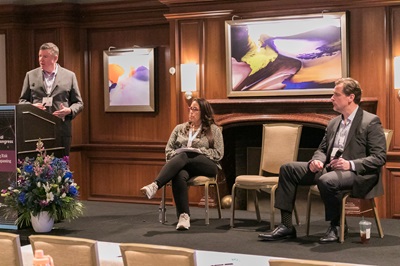

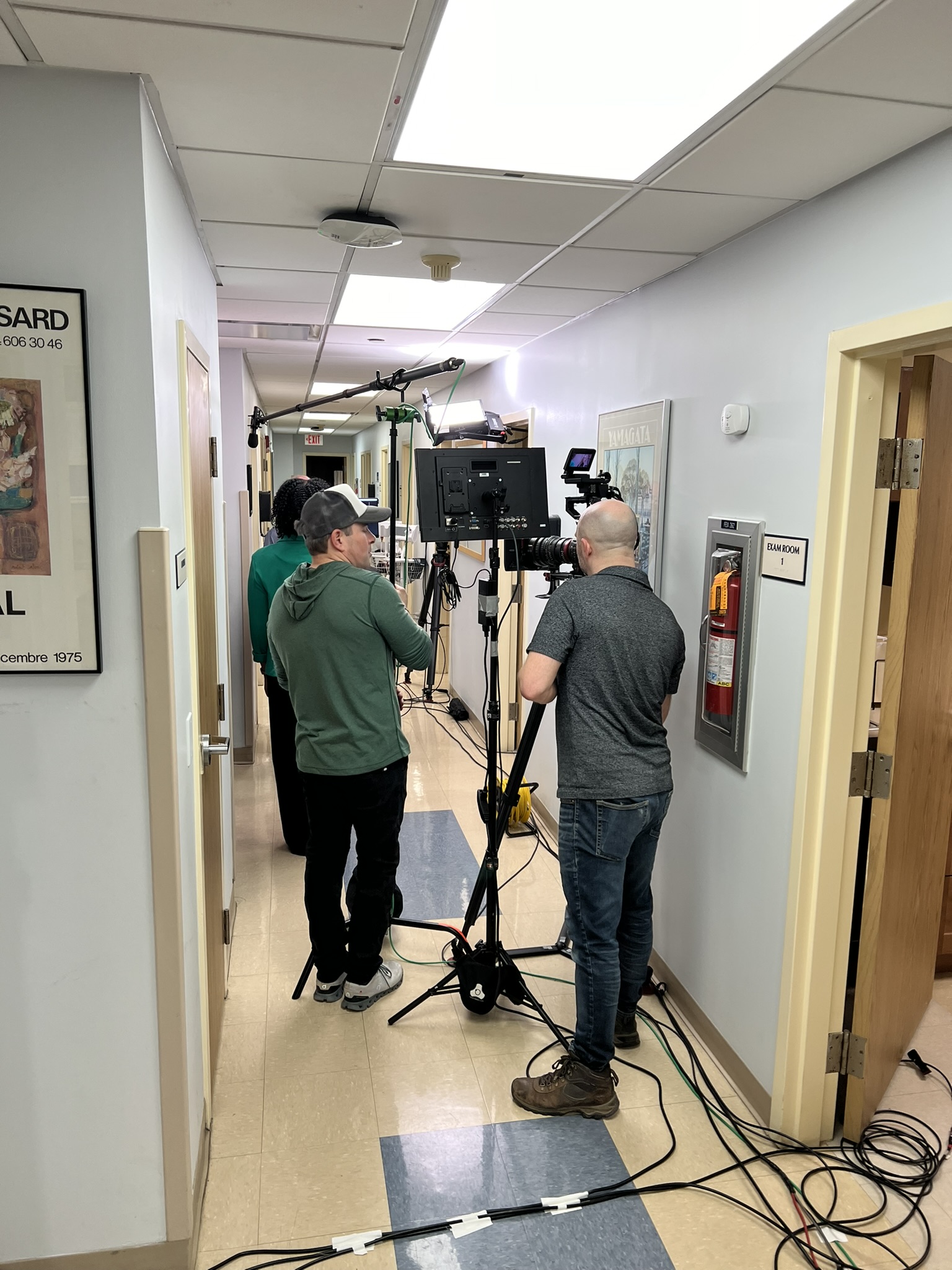



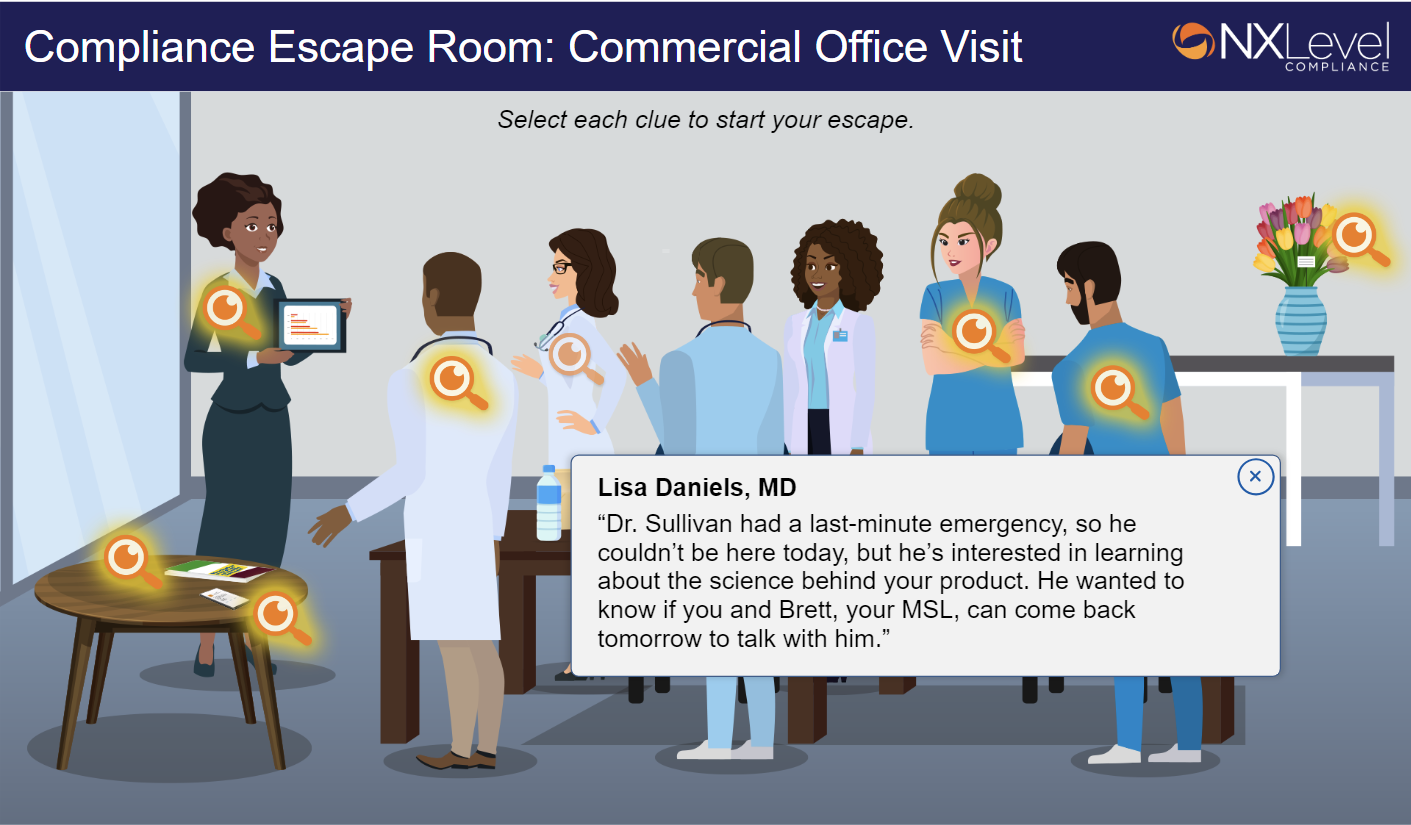


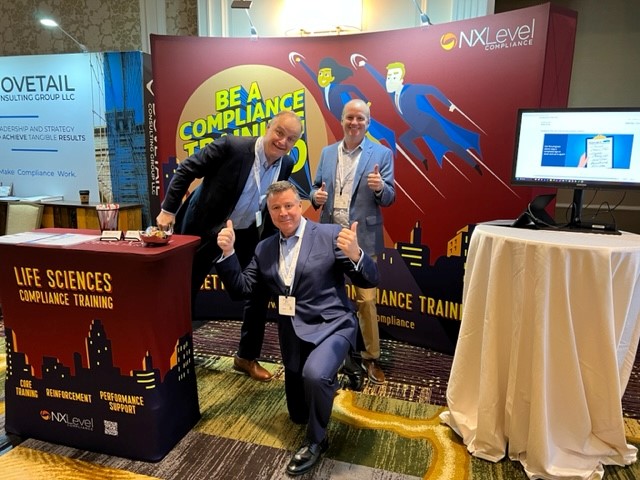


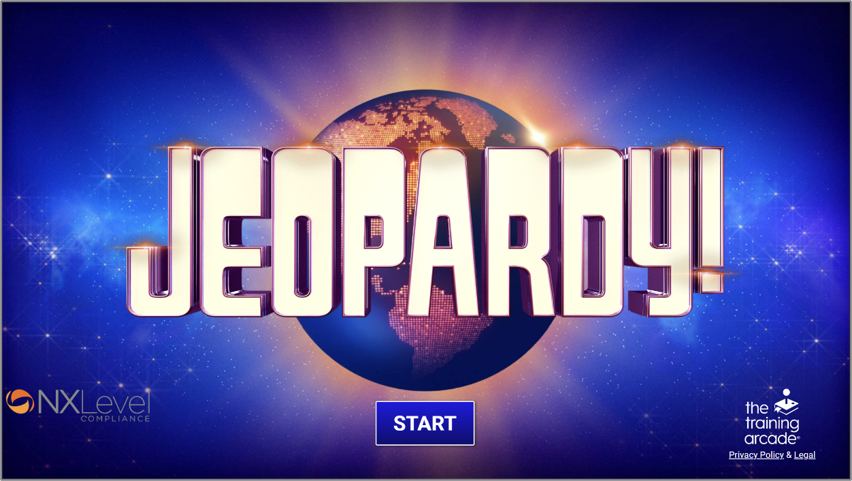
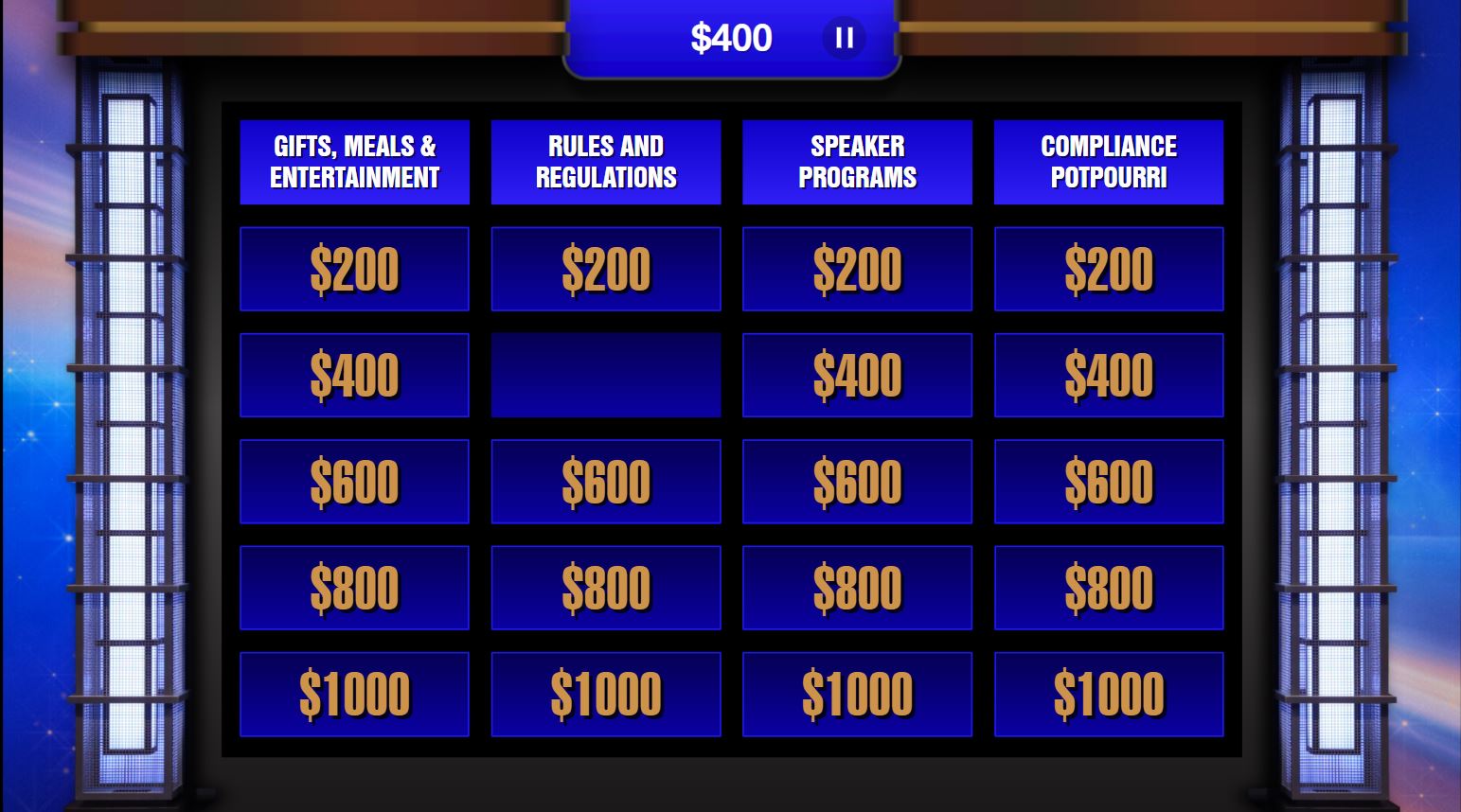


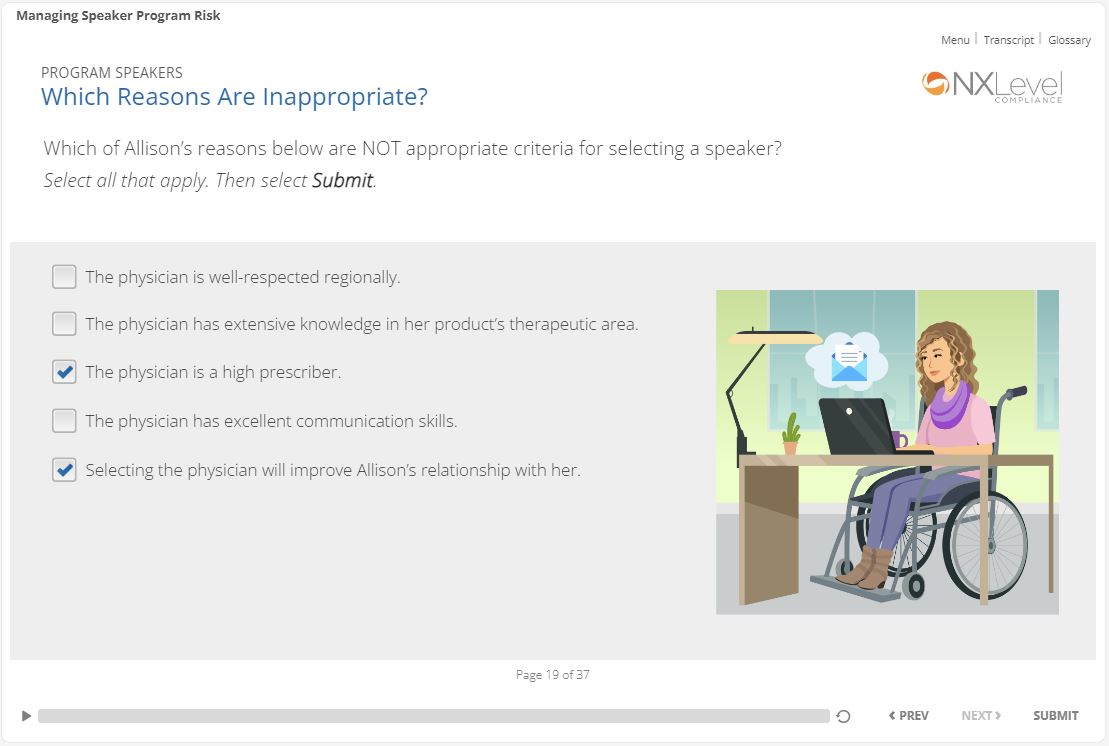

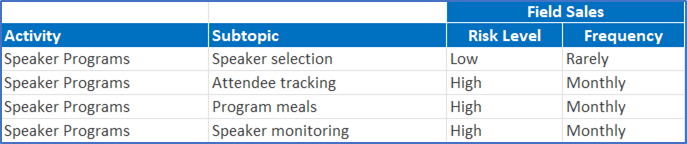


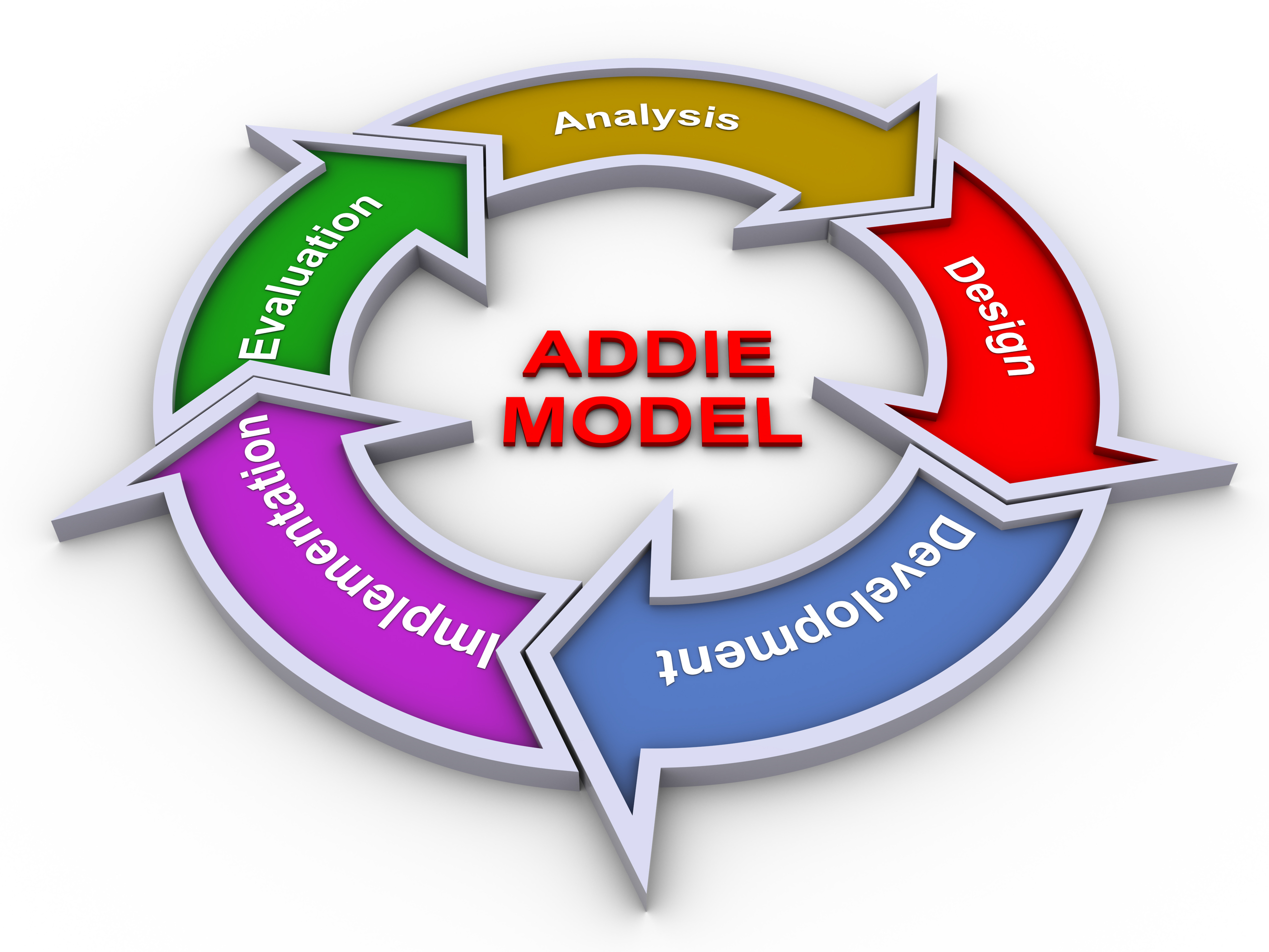



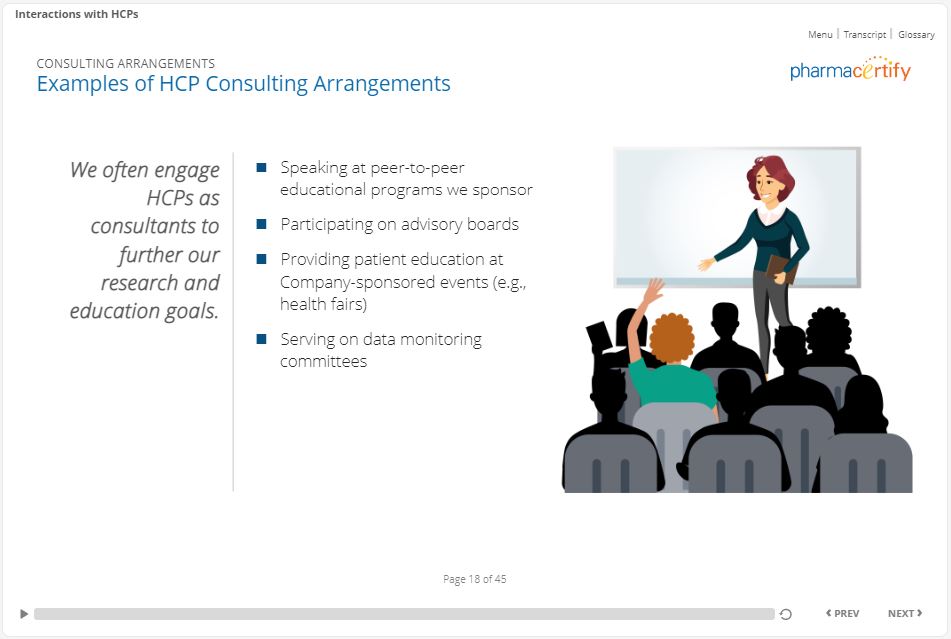




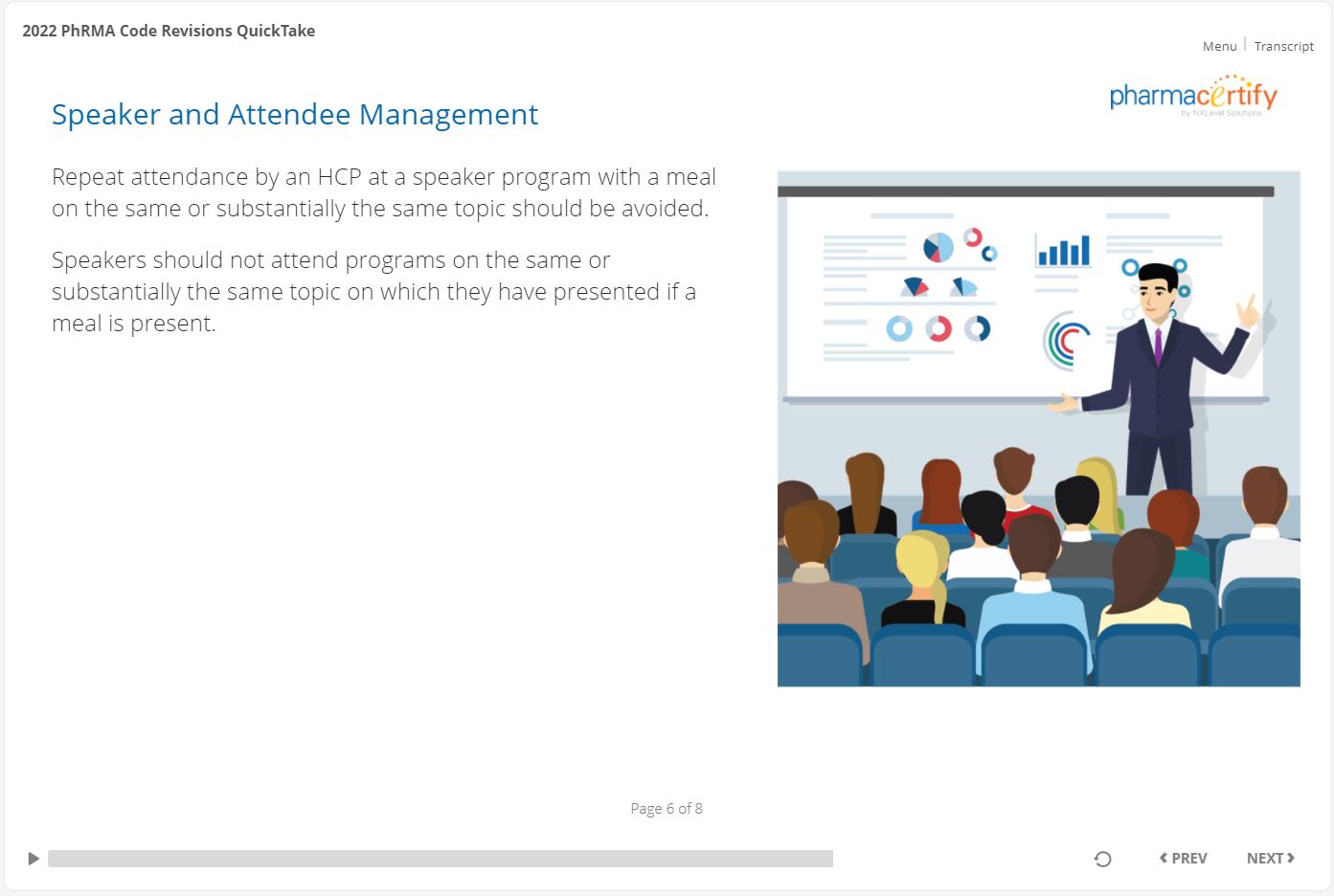

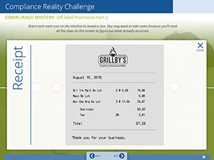


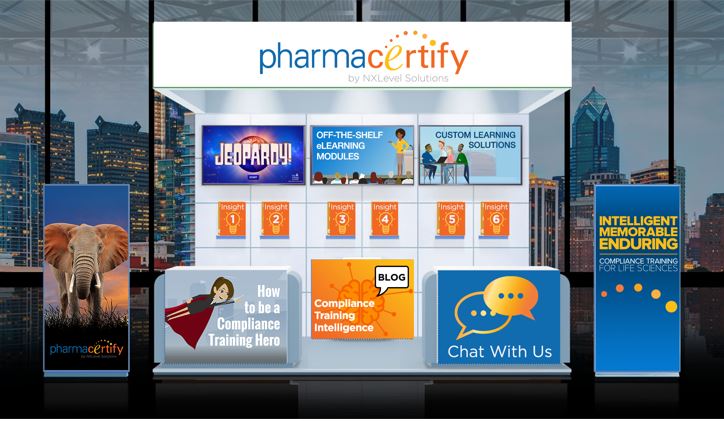



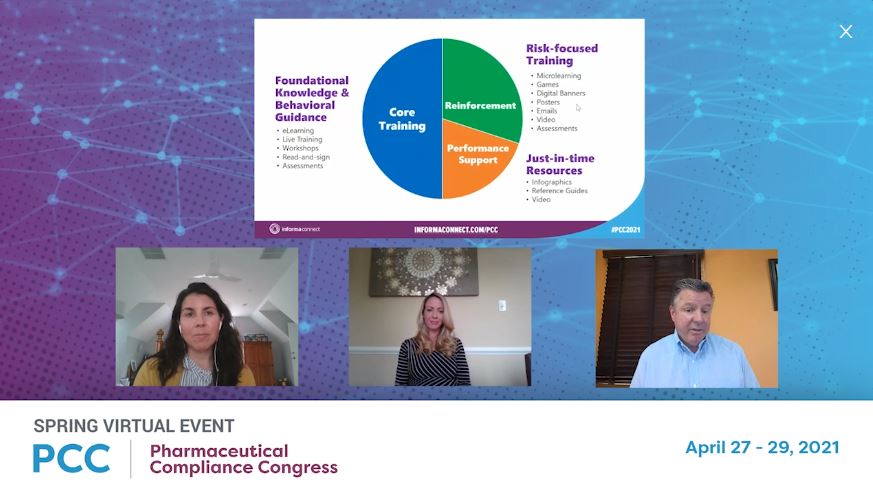
 In what could be Informa’s final “virtual” compliance congress (fingers crossed), the spring kickoff
  Compliance Training Intelligence