And the Oscar for Best Compliance Training Video Goes to …

If we pulled together the compliance training budgets of all the biopharma and med device companies in the world, we might have enough money to pay for producing the first 90 seconds of Oppenheimer, winner of this year’s Best Picture Oscar.

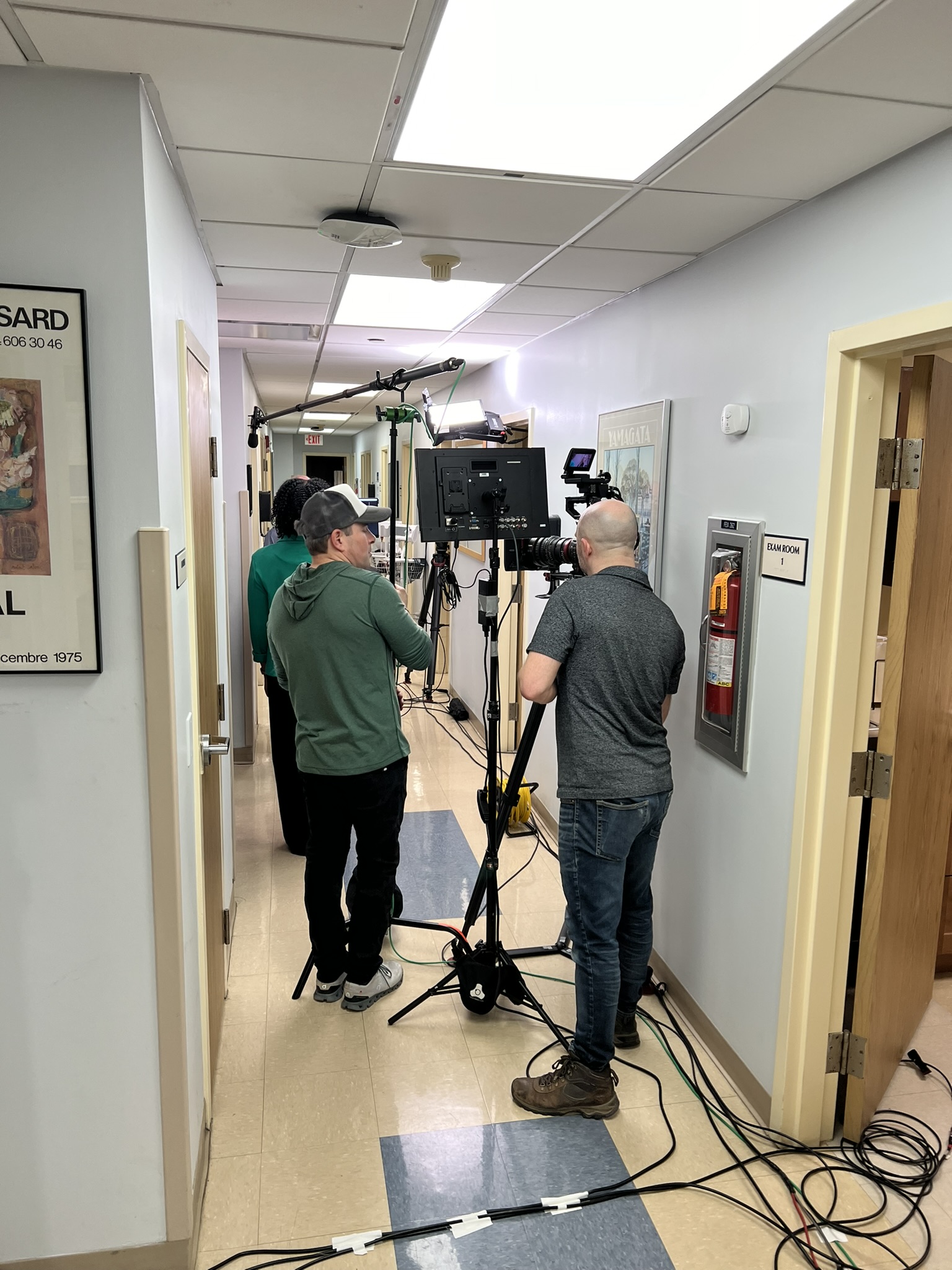
Video crew set up for an interior shot at a doctor's office

But it may not be as expensive as you think  to create a live-action video with an effective and compelling narrative that brings real-world compliance risks to life. With the right planning, you may be able to afford a professional-quality video that makes a significant impact on your learners.

To be clear, we are not talking about a low-budget, DIY solution, like shooting a video on a smartphone. That type of approach can be perfect for a short how-to video, an employee interview, or a simple communication. But to capture a story that has emotional impact and conveys the depth and complexity of a situation often requires a bit more skill and technology.

So how can you create a powerful, story-driven video without breaking the bank? Here are some tips.

Keep it short. Time is money so longer videos cost more than shorter ones. Consider that most scenes in a Hollywood movie only last between 2-3 minutes. That means a 15-minute video can easily contain 5 scenes – more than enough to develop one or two rich story lines or several simpler ones.

Don’t use too many locations. It takes time for a production crew to set up and break down at each location. Cameras, lights, microphones, teleprompters, and other equipment all need to be set up properly for a shoot to go smoothly and produce quality footage. Plus, there’s travel time between locations. Once again, time equals money. The script writer should consider how you can get multiple uses out of just one or two locations.

Video crew filming an outdoor scene in an SUV

Consider using a blend of actors and employees. Professional actors will give a convincing performance that will make your story more authentic, but they cost money (though less than you might think). You can save some of that money by reserving the larger roles for professional actors but using your colleagues for supporting parts (think one or two lines). It’s fun to see coworkers in a video, but just be realistic about what you are asking from employee talent.

Have a strong project manager. There are a lot of moving parts and people to keep track of – script reviews, production staff, actors, locations, props, food planning, weather… you get the idea. A good project manager will not only stay on top of things, they’ll be able to find efficiencies that reduce costs.

Be flexible. Things happen. An actor gets sick. A VP stops by and has a brainstorm. An outdoor scene is washed out by rain. Learn to adapt and work with what you have, within reason of course. Here a strong PM can keep the train on the track.

Get the most bang for your buck. Even with the above strategies, a professional video costs money. So, make sure you get the most out of your investment. Reserve professional videos for use with large audiences and high risk topics. Also consider how you can reuse your video. For example, you might show the full video at a large meeting, then reuse small portions of it within a microlearning module or embedded within a communication. You can also use stills from the video. Done well, your video can become a unique component of your training curriculum that helps set the tone for your company’s culture of compliance.

Have fun. While not a low-cost item, it’s worth remembering that creating a high-quality training video can be a fun, creative, and energizing experience for all the team members involved.

These are some basic suggestions, but obviously every project is unique. With over 30 years of experience creating training videos, NXLevel can help you realize your vision without breaking your budget. And instead of helping you raise an Oscar, we can help you lower your compliance risk.

To learn more, contact us at compliance@nxlevelsolutions.com

Compliance’s Moment at the Next Big Meeting: What to Consider

With the new year now having gained full momentum, many compliance teams are looking ahead to one or more large-scale meetings later this year where they have been granted a precious agenda slot to conduct some form of compliance training. Maybe it’s an hour at a national sales meeting or 30 minutes wedged into a POA. Whatever it is, it’s an opportunity not to be wasted.

If this is the challenge your team is facing, you probably realize that simply presenting compliance guidance using a slide deck is not the answer. Instead, you might be thinking about using a game or some other activity to create a meaningful learning experience that will engage the meeting attendees and help them connect compliance with the situations they encounter on their jobs.

If so, here are some questions to consider when deciding what type of activity to use and how to plan for its success.

What do you want the attendees to take away from your session? Remember, they are likely processing a lot of other information during the meeting, and your time is limited. Trying to cover too much will dilute the impact of whatever activity you choose. For example, focusing on speaker programs, conference attendance, and joint interactions all in one session is likely too much. Always highlight where people can go for more information or if they have questions.

Who are the attendees? Several questions are rolled into this one. How many people will be in attendance? What are their roles and experience relative to the content you want to cover? Are there logical team structures you can leverage during the session? The answers will help you determine how to achieve a high level of engagement for everyone and the amount of technical and facilitation support you may need.

How can you integrate your activity with the rest of the meeting? You don’t want your activity to feel like it’s disconnected from the rest of the meeting (any more than you want employees to feel like compliance is disconnected from their work). Consider how your content, tone, and visuals can be aligned with the larger meeting in which you are taking part.

How much time do you have for your session? More complex activities can take more time. You need to account for setup, instruction, the activity itself, and any feedback or additional insight you want to provide. We recommend a dry run before the meeting to help you recognize just how much you can realistically accomplish in the time you have.

What is the meeting format? Will attendees be in-person, virtual, or a blend of both? For in-person attendees, what will the room layout be? What tool will virtual attendees be using to connect? Many activities can work for either in-person or virtual attendees with the proper design. But that’s not something you want to figure out on the day of the meeting.

What are your technology needs? Understand the technical needs of any activity you are considering and the resources you will have available. For example,if you want to conduct an in-person activity that relies on each person using a Wi-Fi connected device, what’s the capacity of the room’s Wi-Fi? What devices will people have with them? Are there any URLs, settings, etc. that need to be cleared with IT prior to the activity? Is each facilitator comfortable with the technology? Having technical support on standby can reduce any down time, and if a production company is involved, they can potentially help handle some tech needs. Again, a dry run ahead of time can uncover potential issues.

How will you evaluate the results? Conducting a training session at a large meeting presents an opportunity to gain valuable information about the learning needs of your audience and the impact of your training efforts. While games typically provide a score, more sophisticated tools can provide you with analytics that allow you to drill down to individual question and learner results. You may also consider conducting pre- and/or post-activity surveys/assessments and looking for evidence of behavior change (eg, examining changes in help desk calls, reported violations, etc.).

How much time and what resources do you have for development? Having less of either does not necessarily mean you have to settle for less impact. Off-the-shelf solutions can take less time and fewer resources to implement, but still create a high level of engagement. Likewise, when more time and/or resources are available, you can consider custom solutions that speak more uniquely to the specific challenges your employees face.

This is by no means an exhaustive list, but hopefully this has given you food for thought. You can also reach out to us at NXLevel Compliance to leverage our 20 years of experience helping biopharmaceutical and medical device compliance teams make the most of their moments at the next big meeting.

Thanks for reading and feel free to reach out to us at info@nxlevelsolutions.com.
Compliance Training Trends 2023

“What are other people doing?” It’s a question we’ve been asked by almost every client. They know that we work with dozens of life sciences companies each year, many of which have the same compliance risks and face similar training challenges.

And while no two clients, or the solutions we create for them, are exactly alike, we noticed eight common trends this year. So, here’s what “other people” were doing in 2023.

Delivering shorter and sharper training. Across the board, clients turned towards shorter, leaner training solutions. Whether that meant trimming down longer modules or creating a series of shorter modules, clients embraced solutions that minimized learner fatigue and established more realistic learning goals. An important principle to remember is to suit the length of the training to the content. For example, if the complexity of a topic truly requires a 20-minute module, then don’t break the module into two parts just to have shorter modules. Your learners might find this more annoying than simply having a single, longer module to complete. A more meaningful way clients reduced training length was by …

Targeting training by role. Coupled with the goal of shorter training, we were able to create better compliance training solutions for clients because those solutions were targeted to specific roles and/or risk areas. In some cases, this meant designing a series of micro-modules that focused on specific types of interactions with healthcare professionals. For other clients, we included role selectors inside modules, so learners received instruction tailored to their job. This went a long way to …

Making it more engaging. Life sciences employees must navigate a deluge of information and many of them spend a significant amount of time working outside of the office, where distractions increase. Getting and keeping their attention is an ongoing challenge. In 2023, our clients continued to embrace new visual and instructional designs approaches, while employing games, interactive activities, and video to grab learners’ attention and help them make meaningful connections between their jobs and critical compliance principles. And once learners were engaged in the process of learning, our clients focused on …

Keeping it going. All our clients (and the OIG) recognized the need to sustain learning. That’s why they increasingly followed a foundational training experience with reinforcement and refresher activities over the course of the year, including microlearning modules, videos, intranet banners, and emails. They also spaced out training on new topics, which built a regular rhythm of learning and increased retention. A key to sustaining learning momentum is recognizing that sometimes the best solution is …

Not creating training. Formal training is not always the answer. Sometimes what’s needed is a job aid, a refresher video, or even a simple email reminder. We helped clients use these solutions to augment or replace formal training activities. Ultimately, this helped support the next trend we saw, which was …

Looking at the big picture. Our clients increasingly looked at training from a curriculum perspective, mapping out yearly training plans to address their key risk areas. We were rarely asked to design a learning solution in a vacuum. More often, we were asked to design a full curriculum instead of just one course. Along with enabling the trends mentioned above, this allowed us to step back and consider where each organization was on its journey and chart a compliance training path that supported their employees going forward. Of course, no compliance team can properly grasp the bigger picture without …

Partnering with the business. We were impressed by how many compliance teams collaborated with their business colleagues as true partners. Many training projects had a larger goal of empowering business areas to take more ownership over reducing their compliance risk, instead of just relying on Compliance for all the answers and initiative. Working more closely with the business also reinforced the importance of …

Remembering patients. Clients continually reminded their learners that compliance is ultimately about helping patients, that healthcare laws and regulations exist to help ensure medical decisions are made in the best interest of the patient. To motivate employees to be compliant, training needs to be focused more on patient care than penalties.

These are just some of the trends that stood out in 2023 and have us looking forward to more creative, impactful, and exciting trends in the year to come.

Thanks for reading!

Align Your Training to the OIG’s Latest Guidance

In our last post, we covered the training highlights found in the OIG’s new General Compliance Program Guidance and noted the agency’s suggestion that “education should not be limited to annual formal training requirements.” In this post, we dive into detail about the different solutions you can use to build a curriculum that addresses the OIG’s guidance and effectively battles the “forgetting problem” inherent with a one-and-done approach to compliance training.  

Reinforcement Staples

Micro-Modules
Deploying microlearning modules to reinforce on topics previously covered in foundational training is a great start toward an optimized curriculum. For example, if MSL and commercial interactions are a particular cause for confusion, a short module with fresh content, or even content repurposed from foundational training, keeps critical points fresh in the learner’s mind and helps reduce the risk those interactions present.

Reinforcement Videos
A range of modern software programs allow for the rapid and efficient development of high-quality, animated videos ideal for reinforcing key concepts across your organization. For example, a 90-second reminder on good communication practices can be delivered through a link in an email, or it can be playing on monitors in public spaces located across your company. We’re creating a library of videos for a number of our clients, which they can deploy strategically and provide as references on their intranet.

Creative Workshops
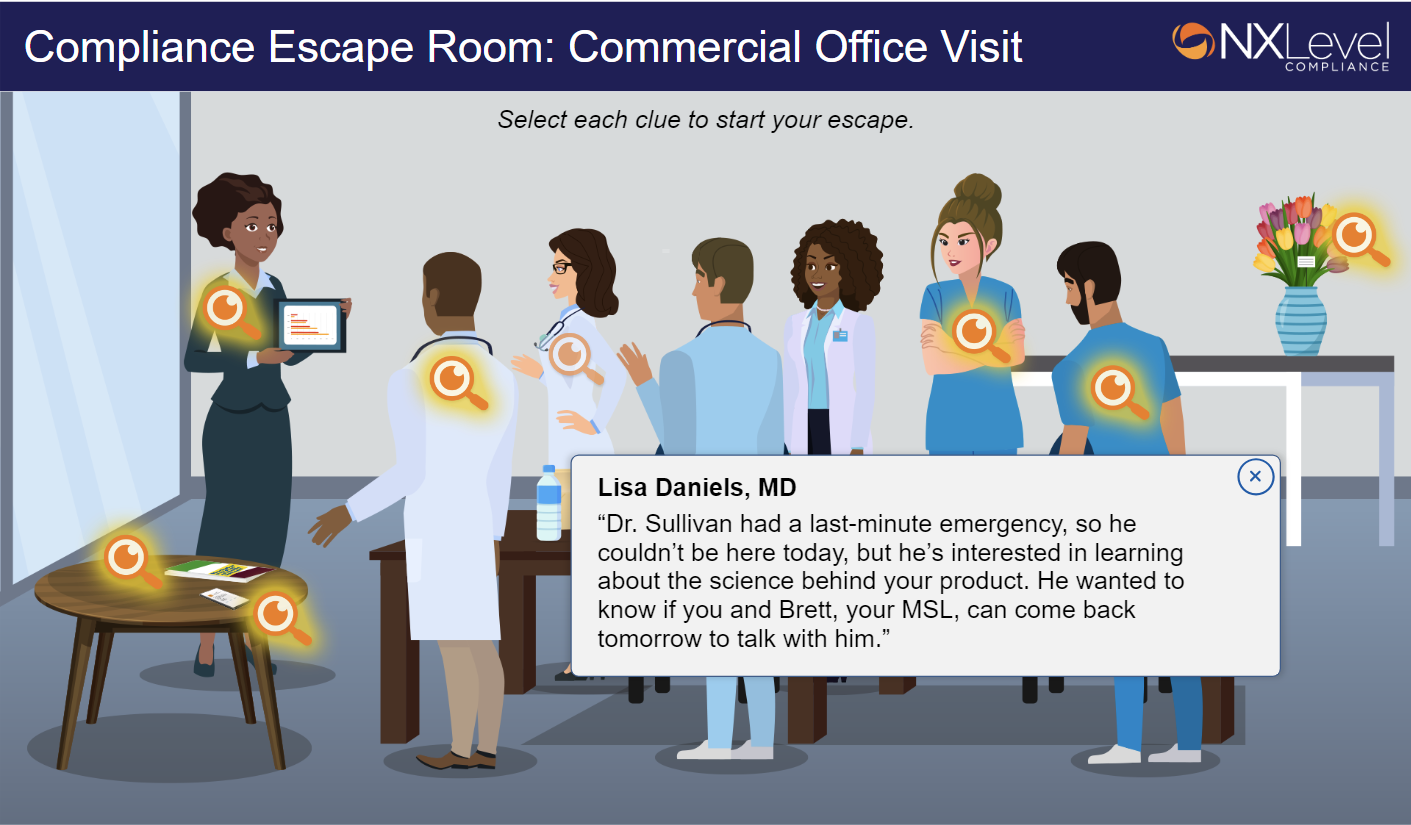
Whether delivered in-person or virtually, a creatively designed workshop brings compliance guidelines to life and lets your learners practice applying their knowledge in a “safe” environment. Two of our favorites are our Compliance Reality Challenge and Compliance Escape Room workshops, where individuals and teams explore real-life scenarios and compete against one another using online, interactive tools.  

Compliance Games
If you want your learners to remember their training, play a game. When deployed in a live/virtual setting, or through an online system, well-designed games are yet another tool to help reinforce critical compliance guardrails. Keep the gameplay fun and, if possible, keep it familiar. Our Compliance JEOPARDY! game, for example, is the only officially licensed JEOPARDY game on the market and features immediately recognizable graphics and music to pull participants into the learning.

Think Outside the Box

Enhanced learning can be supported by a wide range of creative solutions – not just the more common ones mentioned above. And making training stick isn’t always about creating more training. The right communication tools can reinforce key concepts and messages.

Comic Strips
A number of our clients have used comic panels as a fun way to carry messages across different formats and support their unique company and compliance culture. If, for example, you create characters as part of a theme for your code of conduct training, why not recreate illustrated versions of those same characters in print? The comic panels can be displayed on posters or digitally on company platforms, and you can even create graphic novels that can be distributed to employees.

Digital Banners
Banners posted across electronic platforms such as your intranet can help reinforce training messages and remind learners of key events. Have you stressed a “speak up” culture in your core compliance training? Add digital banners across different platforms to boost that message using the same visual design employed in the training. Do you celebrate Compliance & Ethics Week with live events? A digital banner can remind attendees of the dates.

Compliance Avatars and GIFs
A common refrain heard at compliance congresses is the need to boost the perception of compliance as a business partner. Creating avatar versions of key compliance personnel is a fun way to “put a face” on compliance and make compliance seem less intimidating. You can even develop GIFs with messaging using these avatars and push them out through internal messaging platforms like Slack.

Keep it Continuous and Keep it Fluid

A truly effective continuous compliance training curriculum is a journey, not a destination. Successful companies are always looking for ways to enhance their curricula with solutions that creatively extend learning beyond a yearly event, and we have only touched on a few ideas. Keep an eye on our LinkedIn showcase page for examples of the tools we help our clients utilize to reduce their compliance risk.

Thanks for reading!

A Long and Winding Compliance Training Journey

“Lately it occurs to me, what a long, strange trip it’s been.”
Truckin’, The Grateful Dead

In case you haven’t heard, I’m trading the canal towpath alongside NXLevel’s headquarters for the beach, where I will be contemplating the meaning of life and writing about something besides life sciences compliance. In other words, I’m retiring.

While I will still be “virtually” hanging around NXLevel Compliance on a part-time basis and even contributing to this blog, my journey in the world of life sciences’ compliance training is coming to an end. And it has certainly been a long, interesting trip.

That’s 16 years of custom and off-the-shelf eLearning modules and a plethora of workshops and games all intended to help companies reduce risk and help their employees conduct business in a more compliant manner. Some were produced by us at NXLevel, some by in-house resources at industry companies, and some, based on the quality of the work, by vendors who had no business developing training, let alone expecting clients to pay for it.

So, the time has come to pack my bags and to ruminate on the evolution of compliance training I have witnessed during my professional journey. I leave impressed with the progress (albeit not always with the pace of that progress) and hope for a brighter future of reduced risk through better training.

Where We’ve Been

All those years ago, when I first joined NXLevel Compliance (then known as PharmaCertify), compliance training was somewhat in its infancy. To be more exact, “effective” compliance training was in its infancy. Slots reserved for compliance during POA meetings were often filled with representatives of the compliance department speaking to a PowerPoint deck. And even if the slides were created with some sense of creativity and imagination, little to no thought was given to engagement and instructional design…or heaven forbid, fun! After all, this was compliance, we had to be serious. Fortunately, that notion has faded.

Online eLearning offered opportunities to raise the engagement level and impact of the learning, but off-the-shelf “industry-generic” modules from large vendors were commonplace back then, and nothing will send a life sciences learner into a haze of disinterest more quickly than seeing an ethics scenario featuring characters from an insurance company. When modules were targeted to the industry, they were often developed by vendors whose primary business was focused on consulting, and they lacked the instructional and visual design necessary to improve the retention of policies and key concepts.

Not all training was dark, dreary, and dull back then though. There were leaders on the industry side who recognized early on that training needed to do more than just check-the-box in case the regulators came calling. As a vendor, I had the opportunity to call a number of these individuals my clients, and their steadfast commitment to raising the training bar was refreshing and presented us with a welcomed challenge.

Where We Are Now

Eventually, that commitment started to permeate the industry and the light at the end of the learning tunnel grew brighter. Instructional design concepts like adult learning principles became more than a buzz phrase and companies realized that training needed to be relevant to be effective.  

Today, our clients come to the table knowing that training, whether off-the-shelf or custom, needs to be targeted to a learner’s role and feature up-to-date content designed in a manner that optimizes learning. Even the government is getting on board, with recent guidance highlighting the need for “shorter, relevant” training programs.   

The bar has been raised on design as well. Simply put, it’s easy to see that compliance training looks better across the life sciences landscape. Many of our clients are even asking for more thematic training, with the imagery and verbiage being carried across the entire curriculum and the communications plan. (By the way, you really should contact my colleague, Dan O’Connor, to see examples of the award-winning “pulp magazine” concept we helped one client create and execute. It’s cool stuff they’re using to great success.)  

And fun is no longer a dirty word! In addition to asking us to develop bolder concepts for online training, clients utilize our workshop frameworks like the Compliance Escape Room, and the series of games we offer through the Training Arcade, including the always popular JEOPARDY! game (check out the demo here).

At long last, compliance training industry professionals seem to finally be catching up with the colleagues on the sales training side of the business in terms of creativity, engagement, and instructional design. It was a tall hill to climb, and we are getting there. The future looks bright, now all we need to do is mix a little science into the formula.  

Where We Are Going (Or Should Be Going)

“Science is magic that works.”
Kurt Vonnegut

A few years back, I wrote on this blog about the German scientist, Herman Ebbinghaus, and his well-established “forgetting curve,” which essentially demonstrates that the amount of information humans remember after a learning event drops precipitously after the completion of the of that event. Our colleague, Steven Just, Ed.D., a leader in the field of learning science explains Professor Ebbinghaus’ theory this way, “The secret to long-term learning is to retrieve the memory from long-term memory, bring it into working memory, process it, and then re-encode it into long-term memory.”

So, the future of training isn’t virtual reality, as the faddists would have you believe, it’s in the continuous reinforcement of key concepts and the on-going delivery of training no matter the format. And for the compliance professionals wise enough to understand that reviewing training materials at regular intervals (spaced repetition) leads to better learning, the future is now.

Beware though, micro doesn’t just mean shorter. In addition to mini modules, learning nuggets like quizzes and gaming, deployed over time all heighten retention as well. Spacing the delivery of those components is the key to ensuring the proper guidance and best practices remain top of mind as employees conduct their business. It’s why the team at NXLevel Compliance emphasizes the use of foundational, or core, training, reinforcement solutions (quizzes, games, assessment, etc.) and performance support tools (interactive PDFs, posters, videos, etc.) to continuously “encode” concepts into the learners’ memories. Continuous learning leads to lasting results. It’s not magic, it’s science.

That’s a Wrap!

Over the last 16 years, I have had the pleasure of working with great clients, subject matter experts, and associates. I have learned from all of you. As you continue your compliance journey, I urge you to keep reading this blog and even more so, stay in touch with my colleagues at NXLevel. I know I am biased, but they truly are at the cutting edge of training design, and they bring a sense of professionalism and dedication to every project, no matter how large or small. I have been fortunate to work with them.

Thanks for reading everyone. I will see you down the road!

Sean Murphy
(Formerly) NXLevel Compliance

Using ADDIE to Optimize Your Compliance Training Curriculum, Part 2: Design

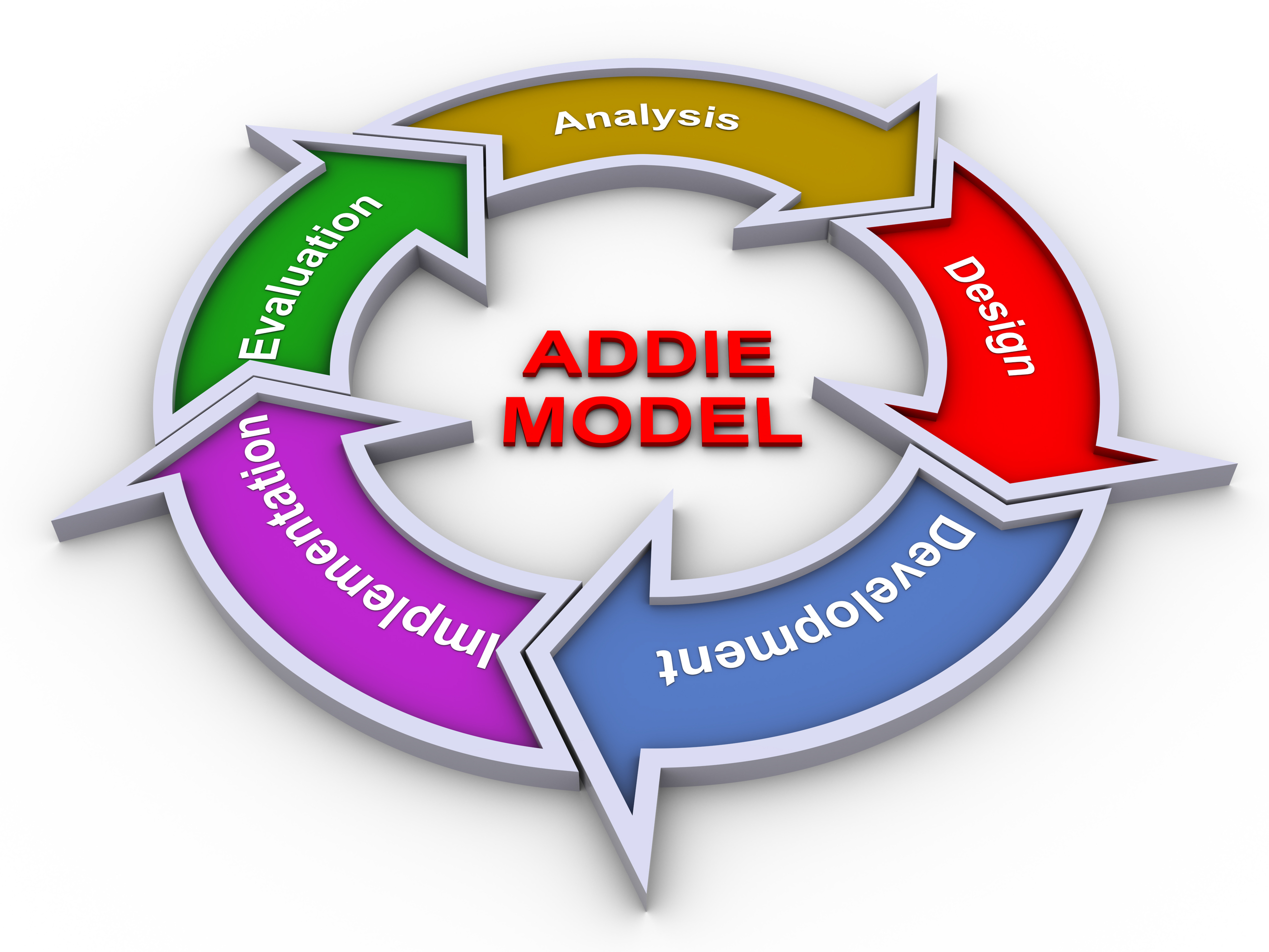
This is the second post in a series about using the ADDIE learning model as a framework for building a better compliance training curriculum.

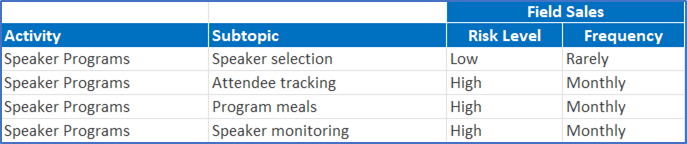
In our last post, we began with the first step in the ADDIE model, A (Analyze), and explored a way to analyze your compliance training needs so you can obtain a clear picture of those needs. The result was a list of the activities your employees engage in that contain some form of compliance risk, with columns indicating the risk level and frequency of each activity for each employee group. For example:

With this information in hand, it’s time to move on to the first D in the ADDIE model – Design. Now that you have identified your training needs, how are you going to meet them? How do you decide whether to create eLearning modules, live workshops, microlearning, performance support tools, etc.?

Several factors should help drive your design decisions.

Activity Risk

Make sure you address high-level risks first. This doesn’t necessarily mean all high-level risks need to receive the same level of resources or attention (other factors are at play), but it does mean that you need to implement a solution that properly addresses each high-level risk activity.

Select the chart to see examples of how various activities might be mapped in terms of risk and frequency.

Activity Frequency

Employees who perform an activity more frequently will tend to remember the steps involved (and the associated compliance guidance), while the opposite will be true of those activities performed less frequently.

For example, sales representatives may call on doctors almost every day. It’s a high-risk activity, but repetition breeds familiarity. However, the same sales representatives may only occasionally plan and host a speaker program. So, a quick reference guide or refresher training to remind them of their responsibilities would be helpful.

Regardless of the frequency of an activity, all learners benefit from a training solution that includes spaced reinforcement and that does not rely on just one crowded learning event. But for less frequent activities, reinforcement and reference materials are even more critical.

Learner Characteristics

Also take into account the characteristics of your learners. Think about these questions:

  • How many people engage in each activity? Some training modalities, like live workshops and coaching, are well suited for smaller populations but may not be practical for larger groups.
  • How many groups engage in the same activity? Are there groups who can receive the same training on a topic?
  • What are your learners’ levels of experience? Foundational training may be more important for new learners, whereas experienced learners may need more reinforcement or training that goes deeper into specific issues.
  • Where are your learners located? In-person training events may not be an option for a dispersed group.

Other Considerations

Here’s a quick review of other factors to consider.

  • Which activities can be addressed through common solutions? For example, can all transfers of value and transparency concerns be addressed through a single learning solution?
  • How stable is the subject matter? Are regulations, policies, or practices changing soon? You may want to hold off on an elaborate learning solution until the dust settles.
  • What resources do you have available? What’s your training budget? How many employees can you dedicate to training initiatives? Some solutions will be more practical and economical than others.

DOJ Recommendations

As you consider your choices, don’t forget to review the training recommendations found in the US Department of Justice’s Evaluation of Corporate Compliance Programs. Along with recommending timely, periodic, risk-based training that is appropriately tailored, the guidance notes that “Other companies have invested in shorter, more targeted training sessions to enable employees to timely identify and raise issues to appropriate compliance, internal audit, or other risk management functions.”

Possible Solutions

Weighing all the factors discussed above should help you narrow down the approaches that would help you best meet your learners’ training needs.

For example, low-risk, low-frequency activities might be best addressed by requiring learners to read the relevant policy and electronically sign an attestation. You can also provide job aids and other performance support tools learners can reference at the point of need, ie, when they are about to engage in the activity.

The Compliance Foundations eLearning module, Compliant Product Promotion, is a great starting point for all sales employees.

Likewise, when training on a high-risk activity, consider blending core training with reinforcement and performance support tools. For example, you could deploy a foundational eLearning module on promotional interactions for all sales employees, supplemented by live Q&A sessions for individual brand teams and micro-learning videos that periodically reinforce of key risks.

And don’t forget the value of communication. Website banners, short emails, and physical posters can all be used to remind employees of important principles and practices.

No Matter the Solution, Follow Good ID

Once you settle on a specific solution, remember to follow sound instructional design principles. Focus on the learning objectives, ie, what people need to know and be able to do, rather than chunks of content. Remember the goal is not to turn your employees into junior compliance experts; it’s to help them perform their jobs in compliance with your company’s policies and procedures and thereby reduce your company’s compliance risk. If nothing else, put yourselves in the learner’s shoes as you make your design decisions.

Conclusion

While this post merely scratches the surface, we hope it’s given you some practical design considerations to think about when creating or refreshing your compliance training curriculum.

In our next post, we’re going to stay with the topic of design a little longer, but this time we’ll discuss visual design and the role it plays in creating effective learning experiences.

Until then, thanks for reading!

Dave Correale
Senior Instructional Designer

Using ADDIE to Optimize Your Compliance Training Curriculum

Part 1: Analysis

This is the first post in our series on using the ADDIE learning model as a framework for building a better compliance training curriculum. We begin with the A (Analysis) stage of the model as a first step for creating or refreshing a curriculum.

With so many compliance concerns piling up in your inbox, it can be hard to take the time to pause and analyze your training needs without rushing towards solutions. But until you have a clear picture of  your needs, how can you be sure the solutions you are deploying really address them?

Whether you are creating your company’s first compliance training plan or working with a mature plan that has evolved over time, don’t skimp on the analysis. Otherwise, you risk creating a convoluted curriculum with redundancies, gaps, and an uneven emphasis on content over risk. And while analysis is an ongoing task, taking the time to conduct a formal analysis that looks at the big picture and gives you a foundation to build (or rebuild) from is important.

Start with the Risks

One way to begin your analysis is to list all of the activities your employees engage in that contain some form of compliance risk. After all, if your ultimate goal is to reduce risk, why not put those risks front and center in your planning?

We’re all familiar with the annual risk assessments that virtually all life science companies perform. They provide an overview of macro areas of risk and are therefore good overall guidance for compliance professionals. However, it is important to also consider the “risks within the risks.” The key here is to be granular enough so that you build an informative picture of the risks your company faces – one that gives you the flexibility to address risks that apply to different audiences, in different ways, and at different frequencies.

For example, to simply list “speaker programs” as a risk glosses over the individual activities involved in a speaker program that expose different people to various types, levels, and frequencies of risk. These could include speaker selection, attendee tracking, program meals, and the handling off-label questions.

Identify Your Learners

Next, it’s time to identify the groups of individuals who are potentially exposed to the risks you have listed. You could create these groups as columns that bisect your rows of risk activities. Again, it’s important to achieve the right level of specificity. Under the commercial umbrella, for example, you’ll want to break out field sales, sales operations, marketing, etc. so you can recognize the different needs for each function.

Add Risk Levels and Frequency

Not all risks are created equal; nor do they occur with the same frequency for the same groups of employees. It’s important to recognize both of these factors when analyzing your training needs.

The value of distinguishing activities that present higher levels of risk is obvious, but frequency is just as important. Someone who engages in a high-risk activity on a frequent basis has a different learning need than someone who engages in the same activity on a less frequent basis.

Since risk level and frequency can vary for each learner group, you can further divide your columns and assign risk levels and frequency, as shown in this example.

Next Step: Design

Completing the activity described above is not necessarily a quick and easy task, and you may need input from others to ensure its completeness and accuracy, but it’s a critical first step toward designing (or redesigning) a better compliance training curriculum to help you reduce risk across your company. And that will be the topic of our next blog post as we move on to the D in the ADDIE model, Design.

In the meantime, if you’d like a complimentary template of the spreadsheet described in this post, which we call the Compliance Curriculum Analysis Tool (CCAT), email us at info@pharmacertify.com. We’ll be happy to show you the tool and ideas on how to use it.

Thanks for reading!

Dave Correale
Senior Instructional Designer

Using ADDIE to Keep Your Compliance Resolutions

In this week’s post, Dave Correale, a Senior Instructional Designer at NXLevel Solutions, introduces a new blog series on using the ADDIE model to help build a better compliance training curriculum.

Now that the relatives have gone home, the ill-advised presents have been returned, and the eggnog in the back of the fridge has spoiled, it’s time to consider a New Year’s resolution to refresh and revive your compliance training strategy.

But getting your arms around your compliance training needs and developing a plan to address them can seem overwhelming. One tool that can help is the ADDIE model. In the training industry, we use ADDIE as a model for developing individual training solutions, but it can also be an effective tool for organizing your approach to a broader training strategy. Over the next several blog posts, we’ll use the ADDIE model as a framework for helping you build a compliance training plan worth celebrating.

Analysis – In this post, we’ll provide practical tips on how you can identify and prioritize your training needs. There are a lot of factors to consider, and we’ll discuss concepts and tools you can use to bring order out of the chaos.

Design – This post will be a two-parter. In Part 1, we’ll look at instructional design and how to design solutions to meet the training needs identified in the analysis stage. How do you choose whether to create eLearning modules, live workshops, microlearning, performance support tools, etc.?

In Part 2, we’ll discuss visual design and the role it plays in creating effective learning experiences. Do your training solutions look generic, or do they reflect your organization’s culture? Do your visual choices support or distract from your learning objectives?

Development – After design, it’s time to develop. But what do you develop first? And do you build it in-house or use a vendor? Is there an off-the-shelf solution you could use? Do you have existing assets that just need a refresh? We’ll explore the thought process that goes into deciding how to best use the resources you have available.

Implementation – How you implement your training plan is as important as the plan itself. Planning, timing, communication, support from the business, and getting the most out of your available learning platforms are just some of the elements we’ll examine in this post.

Evaluation – Finally, how effective is your compliance training? How can you tell? This post explores ways to determine whether your training is having an impact.

So, clean out the fridge, put the decorations away, and stay tuned for more tips on how to reduce risk through better compliance training.

Training-Related Reflections on PCF’s 23rd Compliance Congress, Part 3

The Changing Field Medical Maze

Welcome to my third post on the 23rd Annual Pharmaceutical and Medical Device Ethics and Compliance Congress. Through these posts, I have been reviewing some of the key topics covered during the conference and providing my reactions, as well as related tips and suggestions for creating better a compliance training curriculum.

This week, I touch on key points raised concerning the special relationship between field medical and commercial teams, and the training needs created by that relationship. Spoiler alert: the more things change, the more your sales representatives need to understand the role of your medical team.  

Ghosts of Conferences Past

In past years, presenters at compliance congresses would be quick to emphasize the need to draw a hard line between the actions of medical and commercial personnel. Medical was siloed into the communication of science, and product promotion was left to the commercial team — and never the twain shall meet … well, except for the joint interactions during which their separate permissible actions were clearly delineated.

The safest path was to ensure the actions of the medical team were laser-focused on science and external interactions only occurred at the request of healthcare professionals. And the easiest (and most straight-forward) path to compliance by both teams was through role-based training that made clear the appropriate actions for each –‘Sales reps, you can do this, and MSLs, you can do that’ (and vice versa).

Ghosts of Conferences Present

Well, in recent years, “the times, they are a changing.” As presenters in the Medical Affairs Today: Managing Evolving Risks session and the Recent Federal and State Enforcement Actions session noted, a shift is underway in the industry. Now some medical personnel are quicker to proactively provide information to HCPs, rather than just in response to a medical information request. Or, as it was said in the Recent Federal and State Enforcement Actions session, “Companies are shifting to a patient-centric focus, and that’s creating a sense of one company … that’s causing us to see a lot of creative ideas by medical, which poses some challenges.”

In terms of enforcement, one could understand why the industry would be lulled into a false sense of security. After all, recent corporate integrity agreements have hardly focused on the relationship between commercial and medical. But, as was highlighted in the Recent Federal and State Enforcement Actions session, some recent CIAs do include provisions relating to that relationship and the sharing of information. In addition, enforcement actions are typically lagging in nature, and settlements follow a few years after the actual conduct.

Promotion is Promotion, No Matter the Source

Presenters in both sessions made clear that the government doesn’t care what your role is. While collaboration across the two groups can have the noblest of intentions, sales reps and medical personnel must consider the potential risks of their actions. Guardrails are needed from the outset and the mistaken belief that the medical team’s actions and words cannot be interpreted as promotional just because of their job titles must be exposed for the dangerous fallacy that it is. To borrow a phrase from the Medical Affairs Today session, the medical team “cannot be driving towards promotional claims and they cannot be salesy.”  Both teams need to be reminded of this on a regular basis through a multitude of touchpoints throughout their schedules – in other words, through continuous reinforcement and performance support.

Take the Role-Based Fork in the Road Carefully

By now, you may be asking how you should adjust your medical personnel’s compliance training in response to this industry shift, but that should not be your only concern. The training plan for your commercial team may need to be evaluated and modified as well. More than ever, sales representatives must understand the role of medical personnel, and what medical personnel are and are not permitted to do during joint interactions with HCPs.

An effective and modern commercial training plan includes a broad understanding and overview of the field medical role. Do your reps understand the role of field medical personnel? Are they continuously reminded of the need to keep the medical and commercial roles distinct? To appropriately prepare sales reps for their interactions with HCPs, their training should cover the need for the field medical role, its purpose, examples of typical field medical activities, and the principles behind them.  

Joint Interactions Need Joint Training

Presenters in the Medical Affairs Today session touched on the need for collaboration between medical and commercial and the number of situations where their paths can cross, including HCP introductions, payor communications, speaker programs, and medical congresses. These interactions are filled with risk, so the divide between the two roles, and how each team can navigate that divide needs to be emphasized continuously in training.   

Foundational training on joint interactions doesn’t need to be divided into multiple modules to effectively cover the requirements of each team. A successful collaboration demands the sharing of knowledge that can only be achieved through a collaborative training initiative.

On the reinforcement front, opportunities to remind those involved in joint interactions abound.  For example, shortly before the start of a conference, you could deploy a microlearning that covers the rules for commercial vs. medical/scientific booths. Or a virtual live JEOPARDY game, for example, can be populated with questions related to HCP/MSL introductions, senior-level interactions, and interactions with payors. (By the way, we offer the only officially licensed JEOPARDY game on the market. It’s cool, it’s a great learning tool, and it’s easily customized with your content. Visit our website for a demo.)

Finally, it’s not all about interactions with HCPs. Both teams should be regularly reminded of the guardrails around internal interactions, too (eg, medical is not permitted to share an HCP’s response to an off-label question with commercial).

Summary  

While the perception of the field medical role may be changing, the need to educate both your medical and commercial teams about each other’s purpose and functions has not.

The end of the year is a good time to re-evaluate your training plan to ensure your commercial and field medical curricula feature the foundational training, reinforcement solutions, and performance support tools necessary to establish and maintain a sense of compliance across both teams. If you’d like to see demos of the custom and off-the-shelf training courses we have helped your peers deploy in the life sciences industry, please contact us at info@pharmacertify.com.

Thanks for reading! Happy holidays and best wishes for an even more compliant 2023!

Sean Murphy
PharmaCertify by NXLevel Solutions         

The Formula for Building a Better Compliance Training Curriculum!

Editor’s Note (September 13, 2022): this post has been updated to include additional suggestions for foundational, reinforcement, and performance support compliance training solutions.

In its guidance related to the evaluation of corporate compliance programs, the Department of Justice repeatedly stresses the importance of appropriately tailored and risk-based training. The guidance suggests prosecutors should “assess the steps companies have taken to ensure policies and procedures have been integrated into the organization.” I can still almost hear the pleas of compliance professionals wondering exactly how they are going to accomplish such integration. The solution is found in a straightforward formula: foundational + reinforcement + performance support = integration (F+R+PS = I). I know, it’s not as simple as the Properties of Equality we all learned in junior high school, but we’ve seen it work time and time again.

Reset the Forgetting Curve

As the Ebbinghaus Forgetting Curve illustrates, the information humans remember after a learning event drops steeply soon after completion of that event. In fact, that loss of recall continues to increase until it finally flattens around 30-days post event. So, F+R+PS = I to the rescue!

Starting with a Strong Foundation

Let’s start with the first elements of the integration formula, foundational training.

Industry-specific foundational training should be used to cover topics such as interactions with health care professionals.

Any successful journey toward integration begins with effective foundational, training. In its guidance, the DOJ instructs prosecutors to consider the form, content, and effectiveness of that training. But what is “effective” foundational training? It begins with relevancy. Does your eLearning feature content to which your learners can relate? Are the scenarios based on interactions and situations your learners are likely to face? Is the content written in plain language? Has the content been vetted by subject matter experts who understand the nuances of interactions with HCPs, HIPAA, or product promotion? For all those reasons and more, broad-based, cross-industry training doesn’t work and is frankly a waste of time and budget. As you know, your sales representatives aren’t benefitting from scenarios featuring ethical discussions between two insurance employees.

Effectiveness also requires a fresh graphic design and user interface. Modern training development tools allow for the use of illustrated images to represent characters such as doctors, sales representatives and MSLs. Let’s be honest, stock photos scream stock photos – or as I call them, “shiny happy doctors and sales reps.” Illustrated characters also offer more opportunity for inclusion of characters that ALL employees can relate to. Your learners want to see representations of themselves in their training.

Finally, effective foundational training is built with proven instructional design strategies in mind. Are the learning objectives specific enough to be meaningful?  Is the content logically organized? Are knowledge checks and interactive exercises appropriately woven into the training? Can the questions in the assessment be mapped directly to the content in the module?

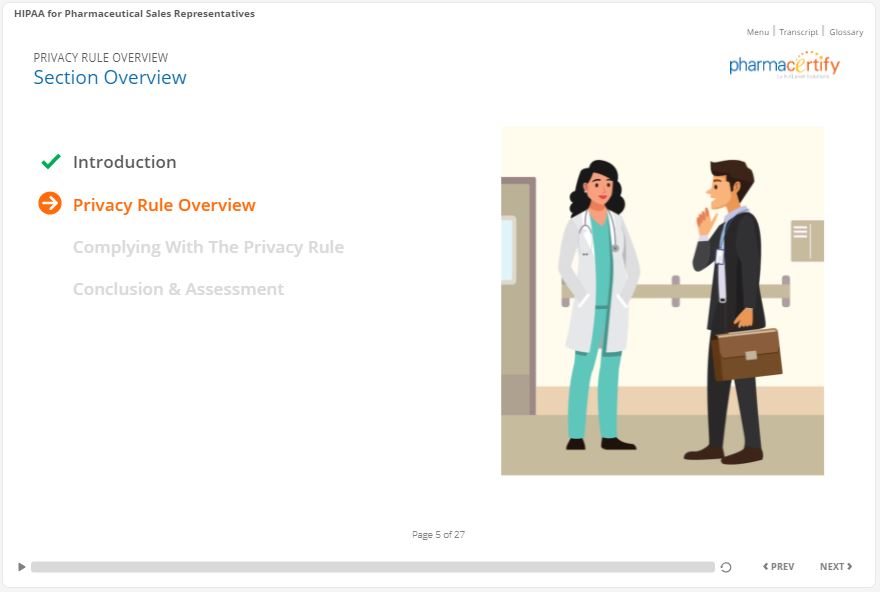
The Compliance Foundations Suite of eLearning modules includes HIPAA for Pharmaceutical Employees .

This isn’t to say effective eLearning always has to be custom developed. Industry-focused, creative, engaging, and modern off-the-shelf training is a great solution for establishing an effective base. So, if you’re with an emerging pharmaceutical or medical device company with limited time and resources, off-the-shelf training is a viable option. Just do your homework and talk to your peers to make sure it’s the right off-the-she solution. (Shameless pitch – we can help!) Of course, custom development does present an opportunity to take your curriculum to another level with more options for branded training laser-focused on your policies if the budget is available.

Also, don’t fall into the current trap of thinking all training has to be short to be effective. Yes, you want to keep foundational eLearning modules no longer than 30 minutes or so, but if 30 minutes are necessary to cover a comprehensive overview of the topic, the learners can sit through it. After all, if we can binge-watch our favorite streaming series, we certainly have the attention span to complete a 30-minute module, assuming it is relevant and engaging.

Reinforcement Drives Retention

Integrate microlearning modules to cover more targeted topics like the 2022 updates to the PhRMA Code.

The second element of the formula for more effective training is reinforcement. When strategically deployed following the initial workshop or eLearning, reinforcement solutions in the form of microlearning modules serve to boost learning, reinforce key topics, and help flatten that nasty Forgetting Curve. For example, if gifts and meals are a high risk for your HCP-facing employees, a scenario-based mini module built around a common situation they face in the field, deployed soon after the foundational training on interactions with HCPs, is an ideal way to increase retention of critical information.

Microlearning modules aren’t the only effective tools for making training more effective, though. Reinforcement learning nuggets could include quizzes and games deployed repeatedly over time. Look for games that can be completed individually or in a multi-player virtual workshop. The Compliance JEOPARDY! game from PharmaCertify, for example, is available in both formats and is easily customized with your content. By the way, it’s the only officially licensed JEOPARDY! game on market and it’s an instantly recognizable way to pull learners into an important reinforcement activity. They’ll even thank you for it.  

The Virtual Compliance Reality Escape Room features a series of customized scenarios and challenges.

Other reinforcement approaches could include virtual or live workshops with content built around the situations sales representatives are likely to face in the field. Why not create a a virtual escape room, for example, with challenges customized for the situations your learners can expect to face in the their daily interactions? (Let me know if you’d like to see a demo of the escape room we built for a client, which recently won a gold Brandon Hall Award for Best Compliance Training!)

The effective integration of compliant practices and policies requires the continuous deployment of a variety of reinforcement solutions. Government agencies like the DOJ and the OIG have made it clear in their guidance, and recent industry settlements and corporate integrity agreements highlight the need as well.

Supporting Their Performance

We’ve come to the ”PS” in the equation that holds the key to achieving integration in a life sciences compliance equation: performance support. Performance support includes those just-in-time resources that people need when they are in-the-moment and can’t remember compliance guidance.

Digital support tools like electronic banners support compliance training messages and themes. When splashed across the company intranet and incorporated into digital messaging from the compliance department and the C-Suite, they remind everyone of the key messages from the foundational and reinforcement training.

Video launched on the company intranet is an effective way to support key messages.

Don’t shy away from the use of video either. Despite what some high-end production companies will tell you, you don’t need to use your entire training budget on a high-end video. You’re not creating Compliance: The Live Action Musical. You’re looking for ways to support your efforts with a creative and engaging video. Tools like Vyond are affordable and easy-to-learn way to accomplish those goals. Many of our clients are developing short (1-3 minute) videos that are pushed out via hyperlink and housed in a library on the compliance page of their intranet. Some even use platforms like Microsoft Stream as an internal YouTube, so that people can rate and comment on the videos.

Finally, materials like quick reference guides support positive behavior and deliver critical reminders when people need them most…as they are about to engage in activities rife with the potential for compliance violation. And other print material like posters and comic books are a great and thematically fun way to drip the learning throughout the duration of a compliance training campaign.

Summary

The key to success and “effectiveness” in compliance training, foundational + reinforcement + performance  support = integration, will not be remembered among the great formulas in history (rest easy Albert Einstein), but any compliance professional would be wise to heed its power. At PharmaCertify, we’ve spent the last 15 years developing compliance training for the life sciences industry. We have the in-house compliance expertise, along with the instructional design and production skill, to help you implement this formula as a necessary step toward meeting the expectations of the regulators, your peers, and perhaps most importantly, your learners.

That’s why we are planning webinars, video-based chats, infographics, more blog posts, and other resources to showcase examples of how our clients are utilizing each stage of the formula to increase the effectiveness of their training. Subscribe to this blog and follow us on LinkedIn and Twitter to keep abreast of the details to follow as we continue to provide the information you need to help reduce risk through training. After all, it’s our mission.

Thanks for reading!  

Sean Murphy
PharmaCertify by NXLevel Solutions